Portugal: More than just perfect pasteis de nata 🇵🇹
After a few weeks travelling through Portugal, what stayed with us wasn’t just the gorgeous cities, amazing architecture, historical landmarks or the breath-taking coastline, but the small, subtle details that quietly define the country.
There’s a gentleness to Portugal. People are warm, kind, and deeply service-oriented, but without fuss or performance. Although there is a focus on tourists and tourism, there is also a ‘getting on with our own lives in our own country’ that is most refreshing.
At first glance, the size of the cities can be misleading. What appears to be a compact, historic heart that is intimate, walkable, and full of character – you soon realise – particularly when leaving by bus or car, that the town stretches outwards into an almost endless modern sprawl.
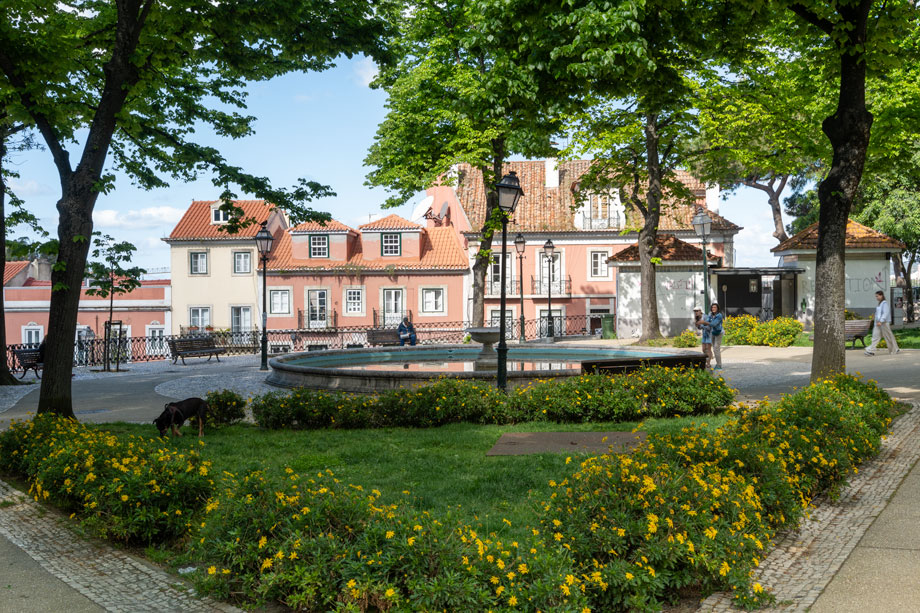
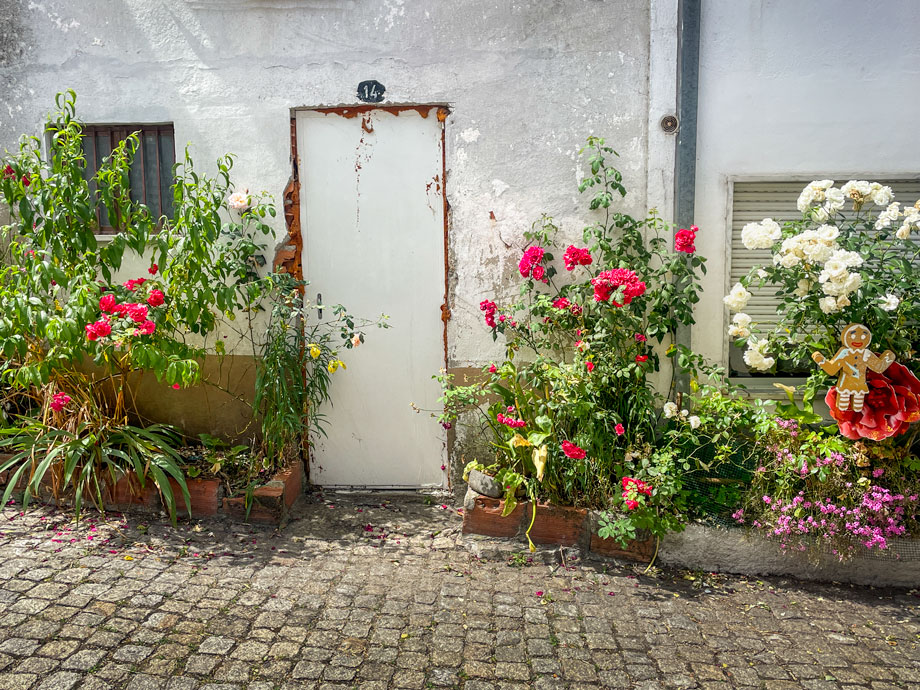
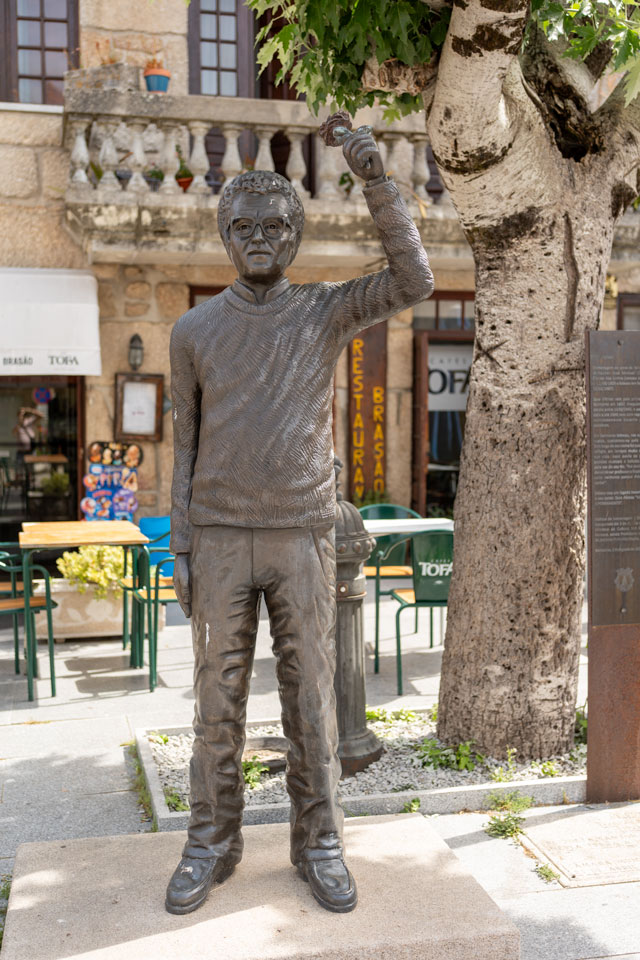
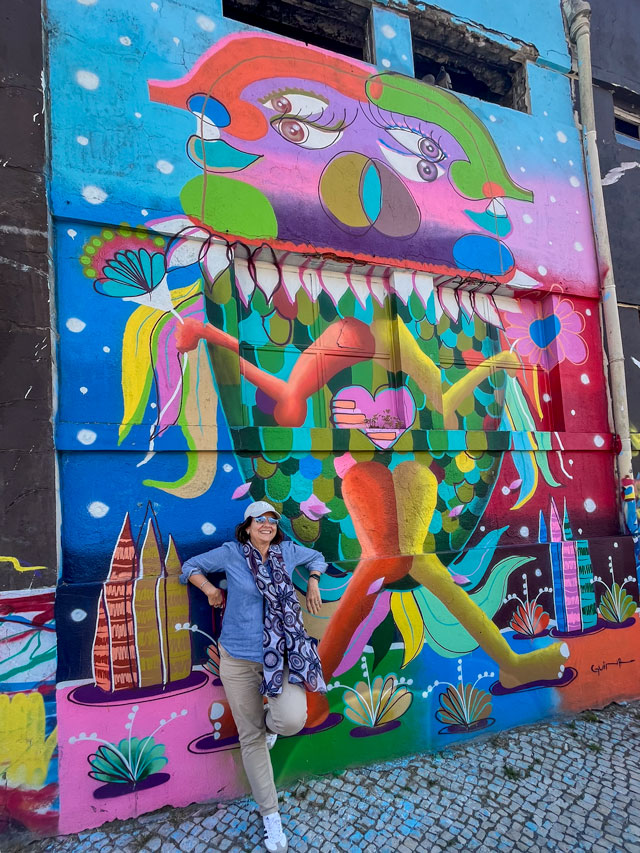
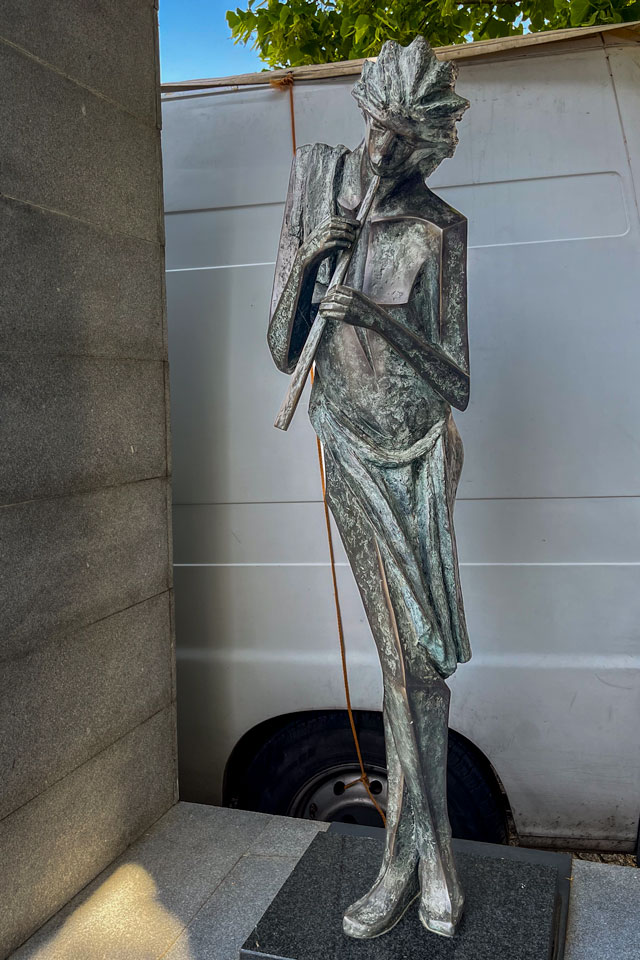
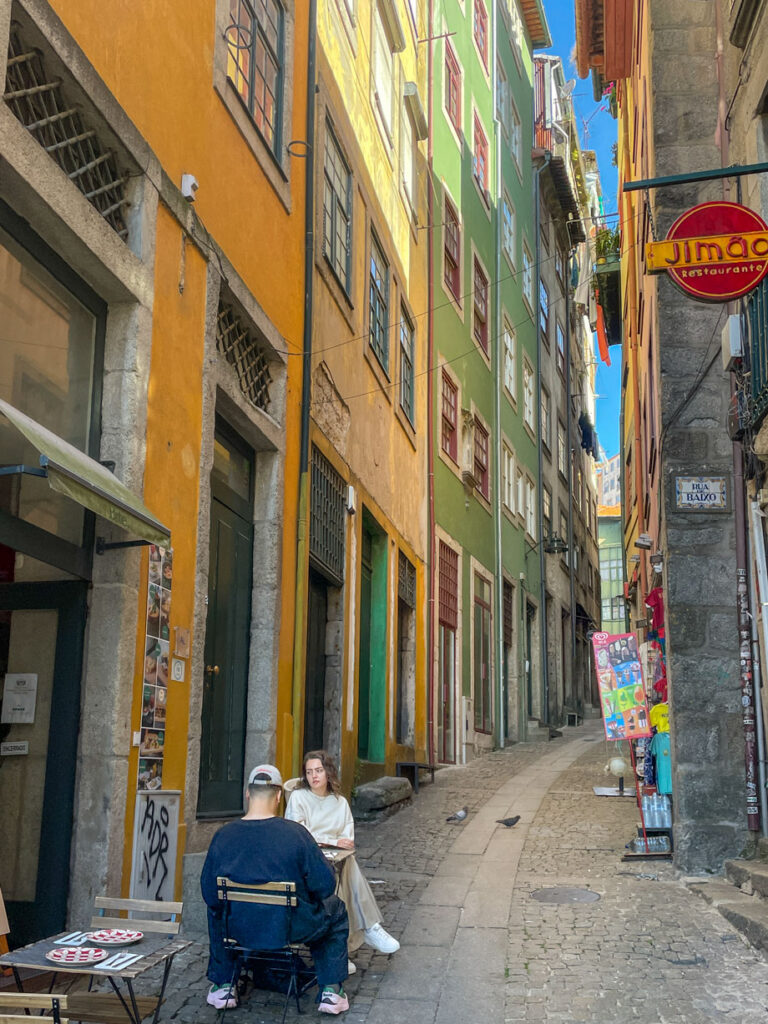
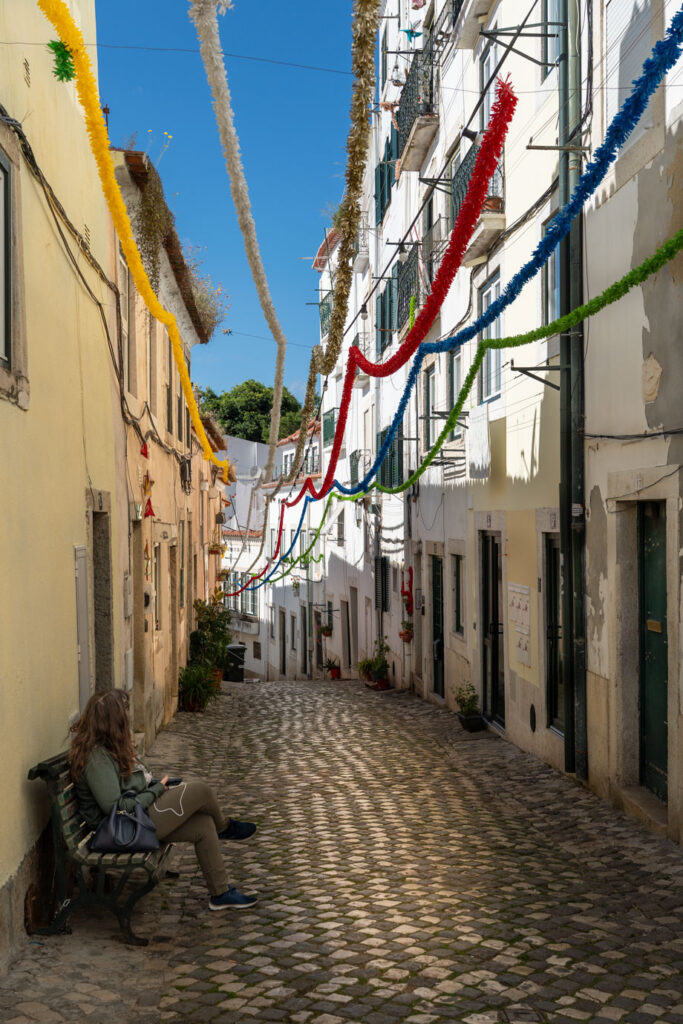
Whether in a bustling centre or a quieter, poorer neighbourhood, there is a consistent sense of care. Homes are neat. Streets are spotless. Even the simplest places are maintained with pride. That pride shows up everywhere. Neglected areas are given a facelift with stunning works of street art. It’s as if someone quietly decided the whole country should just look lovely. Flowers spill over balconies. Roses seem to grow effortlessly. Public spaces (even toilets) are clean and usually free to use. Simple statues and sculptures appear everywhere.
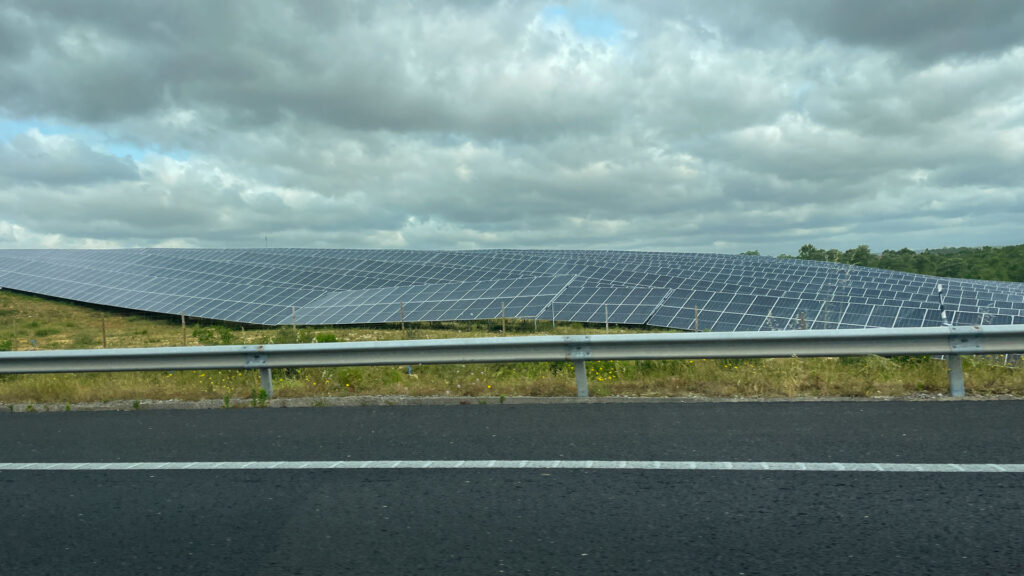
There’s an unmistakable respect for shared environments, paired with a quiet investment in the future: solar panels, wind farms, and ongoing restoration projects, even in buildings that appear empty or unoccupied.
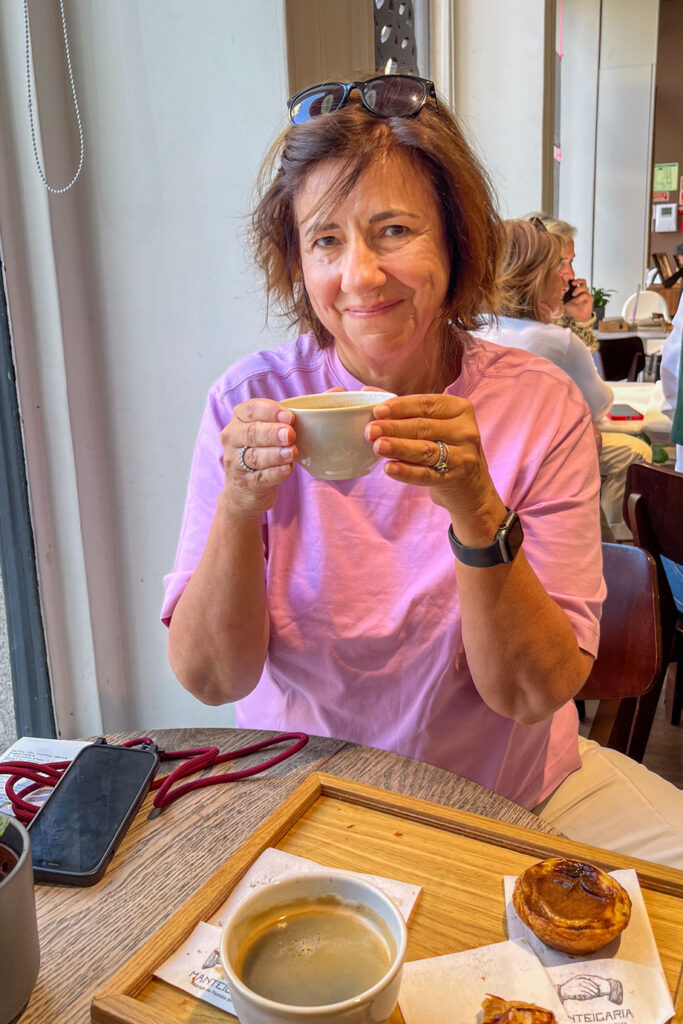
And then there are the quirks, the things you don’t expect. Coffee, for example, isn’t optional. Skipping it after a meal feels almost like breaking an unspoken social contract.Thankfully, it’s never a hardship! There may in fact be no such thing as bad coffee in Portugal.
Slightly disarming is the smoking. We were surprised at how prolific it was across all age groups. If you don’t smoke, you will still feel like you’ve dabbled by the end of the trip.
Food, has its own rhythm. Bread arrives dry, without butter. Potatoes are served in some form with everything. Vegetables and salads, when they appear, tend to be simple and understated. Salt is mysteriously absent from tables, and drinks are never quite as cold as you’d expect.
Country life happens a little differently too. Men and women often gather separately in parks, cafés and small bars, giving spaces a distinct social nuance. It’s a different rhythm. Like stepping into a time that has always existed.
There’s a noticeable absence of overt catering to tourists. Portugal also seems to have mastered the art of being both prepared for tourists and completely uninterested in adapting to them. Menus are mostly in Portuguese. Museum descriptors? Also Portuguese. And yet somehow, everything works. You just figure it out. It’s oddly refreshing not to be overly catered to. Yet somehow, you never feel unwelcome or lost. It’s quite nice to be the one adapting. It retains the essence of the country.
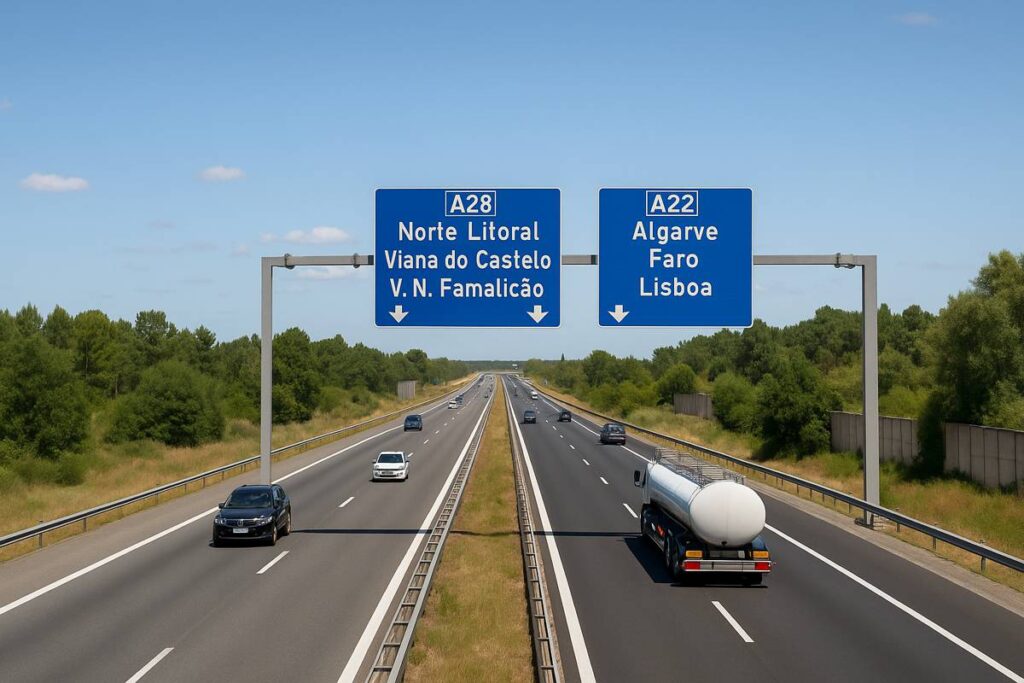
On the roads, things shift again. Rules are loosely interpreted. Lane discipline (keep right, pass left) is followed with precision. Speed limits, however, are treated more like philosophical suggestions. There’s also a slightly casual approach to crossing roads that keeps you rather alert.It’s an interesting contradiction: structure and freedom coexisting.
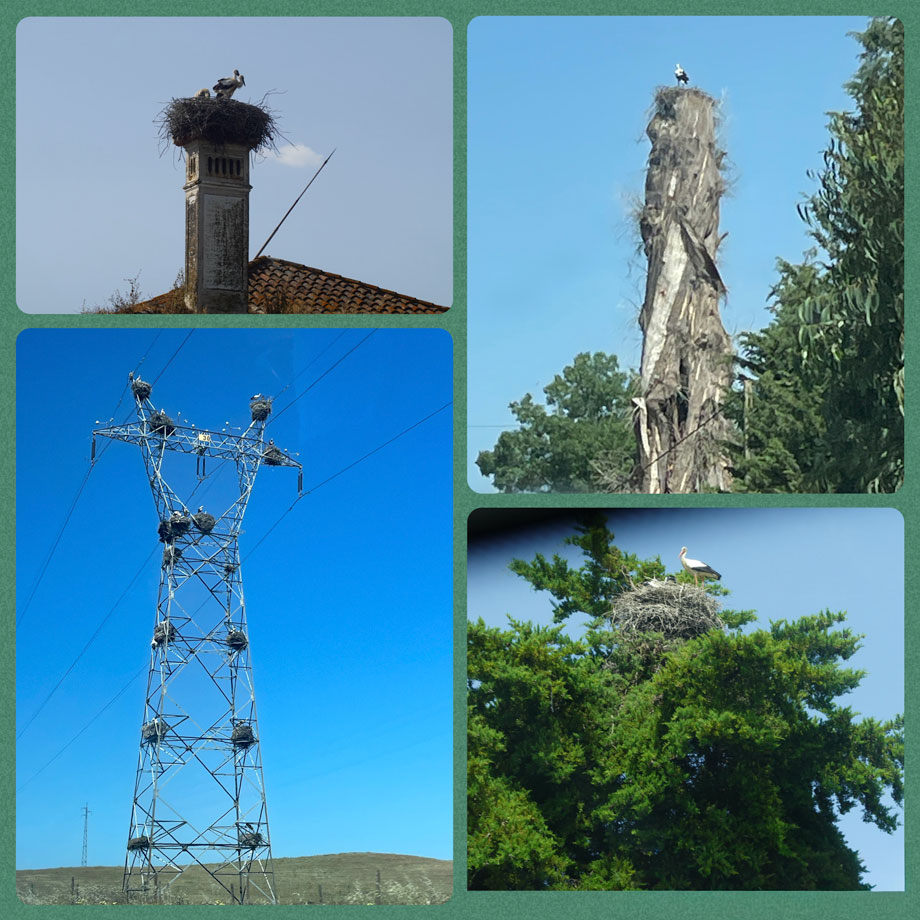
And then there are the storks. Perched high on chimneys, towers, and poles, often in small communities of their own, they become part of the landscape before you even realise it.
Perhaps most striking of all is a sense of presence without visibility. One of the more surreal elements is that everything is beautifully maintained, yet you rarely see people in the smaller towns. Houses are renovated, gardens tended, public spaces spotless – but where is everyone? Many homes appear uninhabited, possibly holiday houses, but in such numbers that it starts to feel like you’ve arrived just before everyone else gets back. The number of “a Venda” signs was quite worrying.
Overall we had a sense of a country that cares deeply about itself, its past and what comes next.
And somewhere between the dry bread, the exceptional coffee and pastries and the gentle hum of pride in every corner, we found ourselves completely charmed. Portugal doesn’t try too hard. It doesn’t over-explain or over-translate. It simply exists, confidently and comfortably in its own skin.It doesn’t overly adapt or perform for visitors. It is deeply rooted in its own way of life.