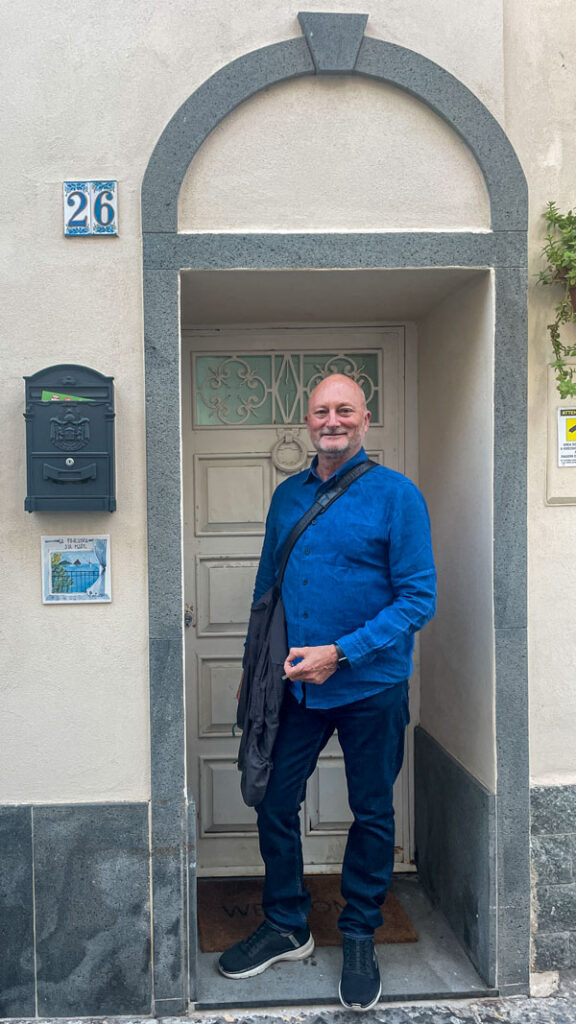
We arrived in Aci Castello, mid-afternoon, our base for the next 3 days to visit Etna, Catania and Taormina. We made our way down some very narrow streets to our accommodation. Google could not direct us the last 50 meters so we phoned the owner, who zipped up in a Vespa (of course). He directed us to park in a slight indentation in the road, assuring us that we would not be fined. It didnt look big enough to park a Vespa, never mind our car, but there wasn’t any choice. The only real parking was down on the foreshore about 600m away.
Aci Castello is described as a small, tranquil fishing village and where we are, in the Centro Storico- it certainly is. It is misleading though. When we arrived on the outskirts, it had taken us a while weave through the hustle and bustle of a fair sized town to get down to the seaside.
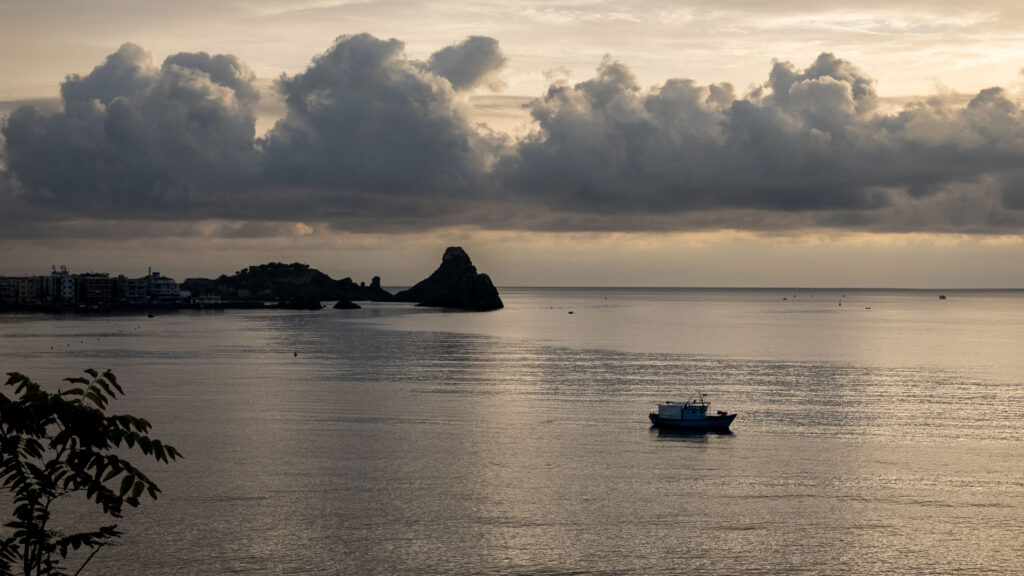
The view from our accommodation out towards Aci Trezza
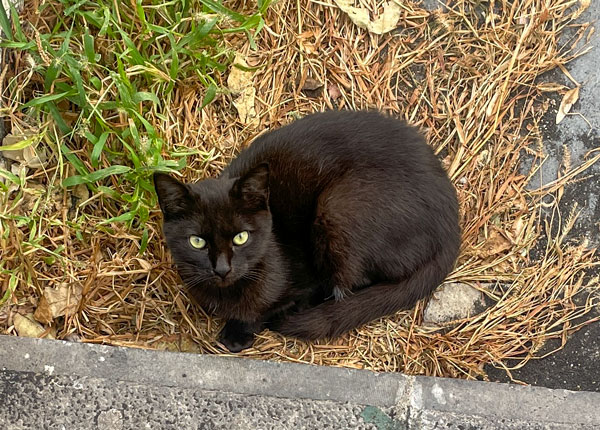
Our Inky look-alike, comfortably ensconced near our front door
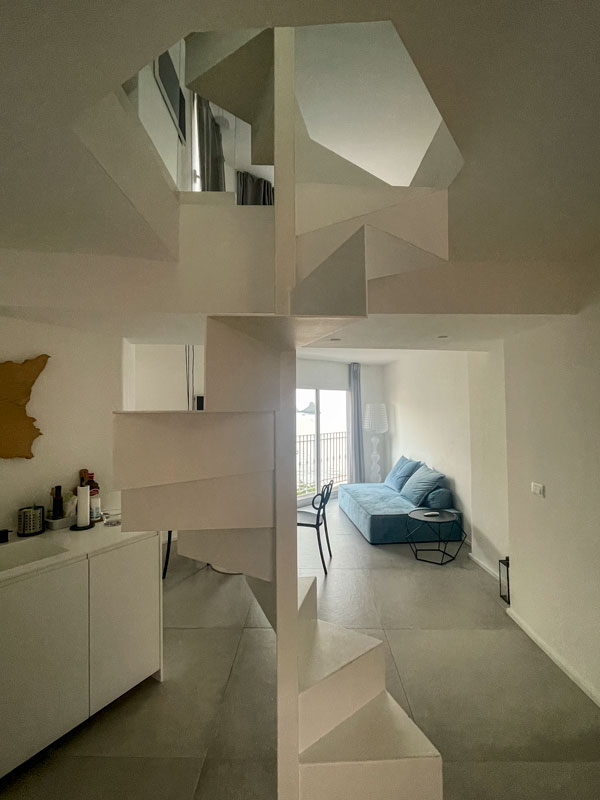
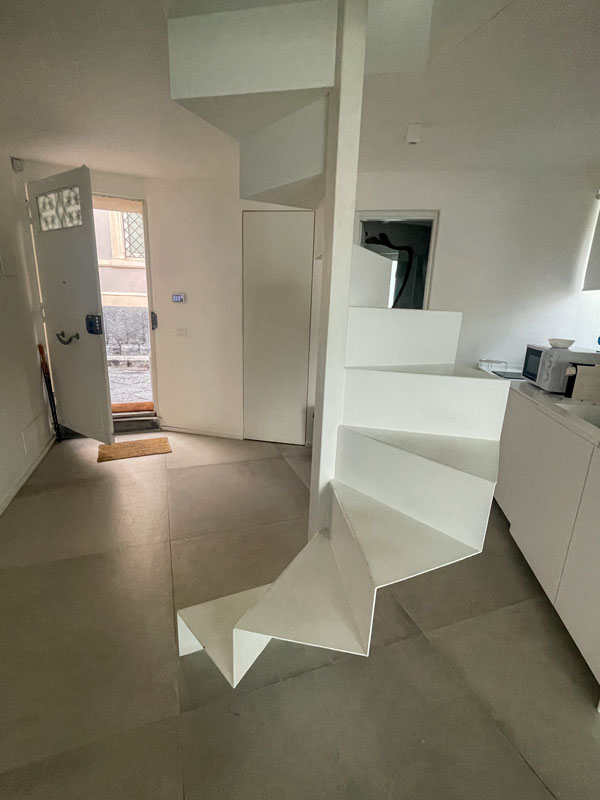
Our accommodation had been recently refurbished. Ultra modern, it is spread over 2 floors – kitchen and lounge downstairs and bedroom and bathroom upstairs with glorious views. The castle is just to the left of us.
We’re both feeling a lot worse, so we spend the afternoon and next morning building up our strength. All plans for Etna, Catania and Taormina on hold.
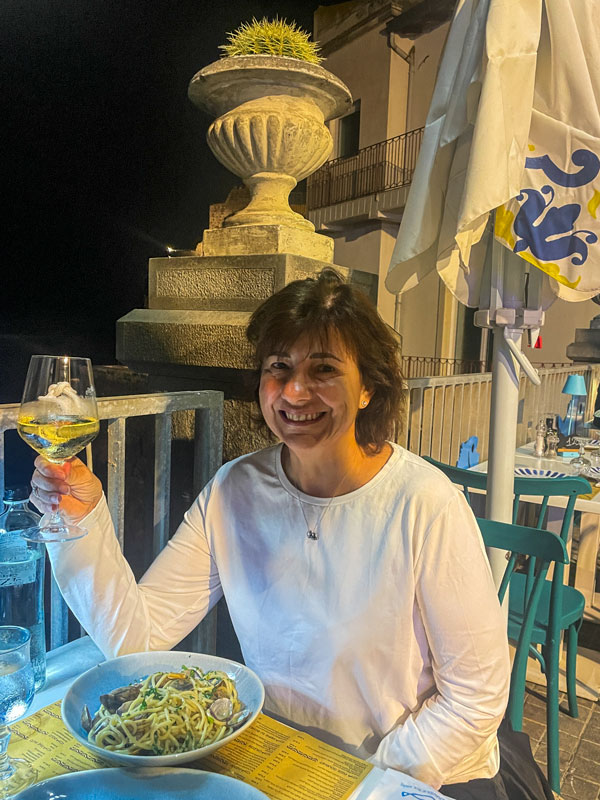
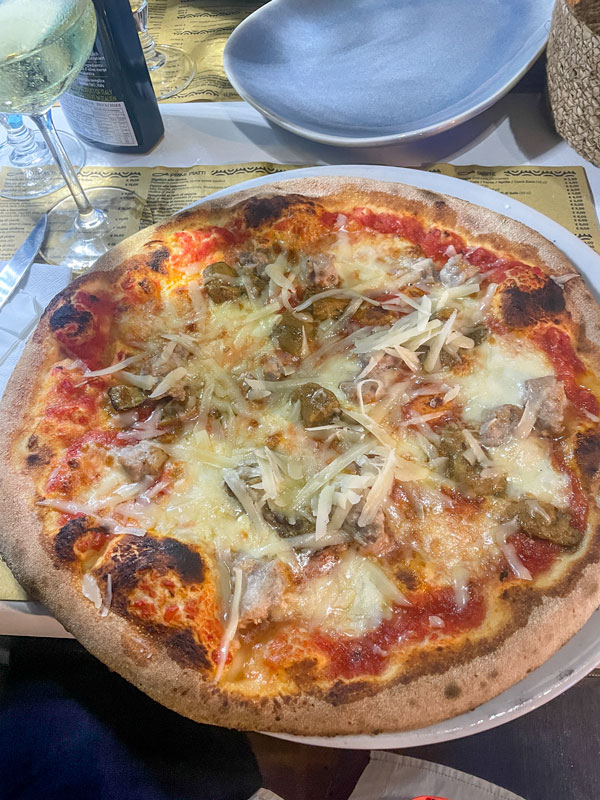
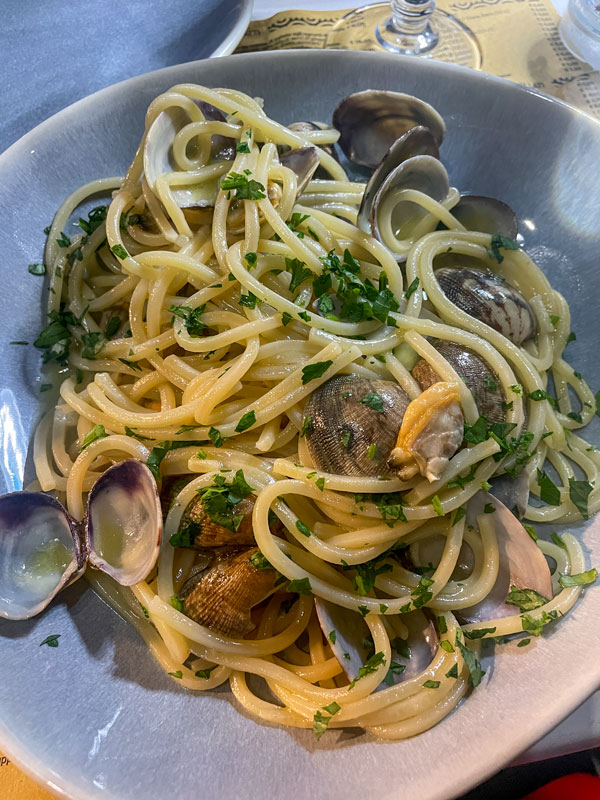
A hearty meal at Al Tubo overlooking the bay
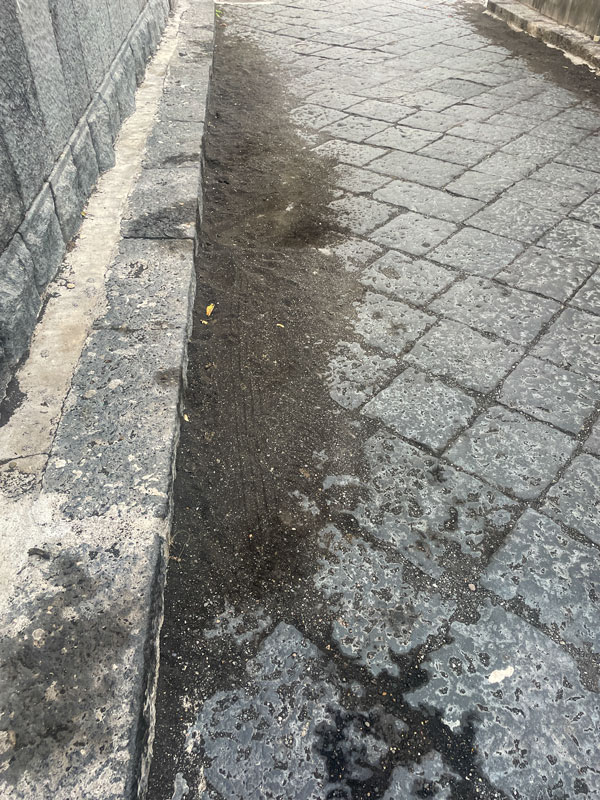
Volcanic ash is continuously blown into the village. Google Translate helped us understand the placards all over the village showing a towed-car symbol – the sweeper vehicle would be moving through the next day and any cars in the way would be towed. We relocated our car down to the foreshore!
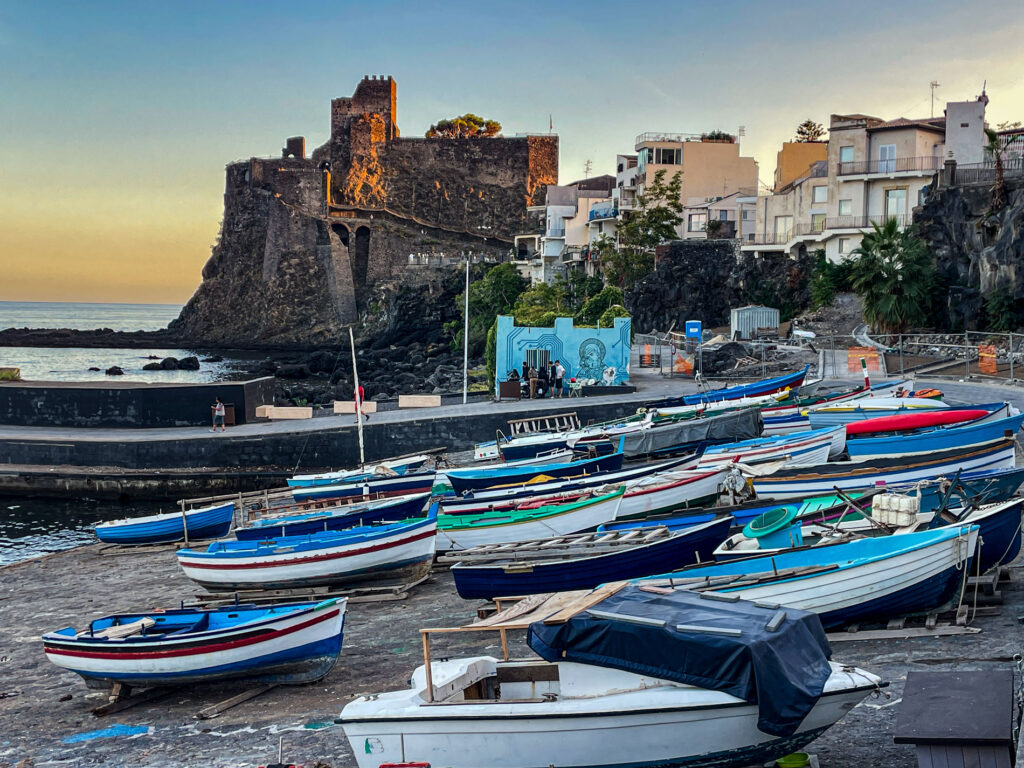
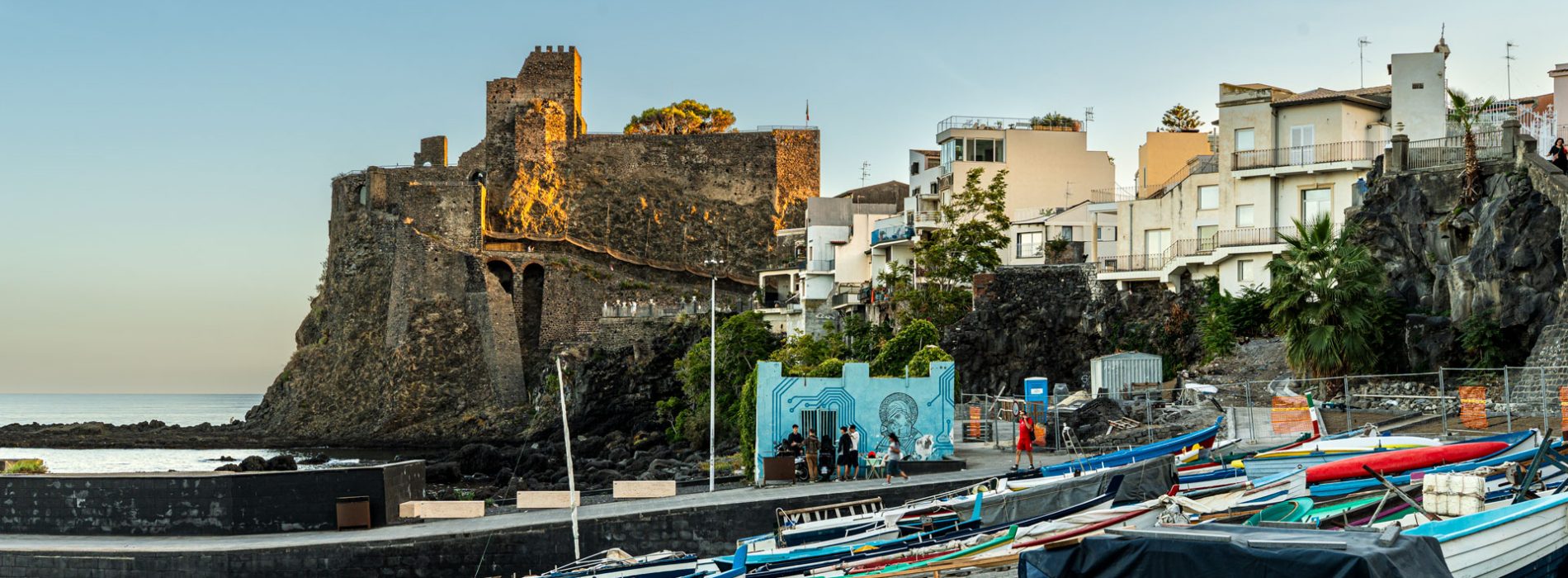
Aci Castello takes its name from the Norman Castle in the town sitting high on a lava rock. The castle was built on the site of an Arab fort and was an island until it was connected to the mainland by lava flow. The village was completely destroyed by a terrible earthquake in 1170 and was only rebuilt and inhabited again in 1530. In 1693, Aci Castello was completely razed to the ground by a volcanic eruption and rebuilt in 1718. The central part of the fort is a square keep, the ‘donjon’, the heart of the manor. Only a small part of the original structure remains: the entrance with what is left of the drawbridge mechanism; the courtyard which contains a small botanical garden; a few rooms including one that houses the museum, a chapel probably dating from the Byzantine period and a wide terrace with wonderful views over the bay.
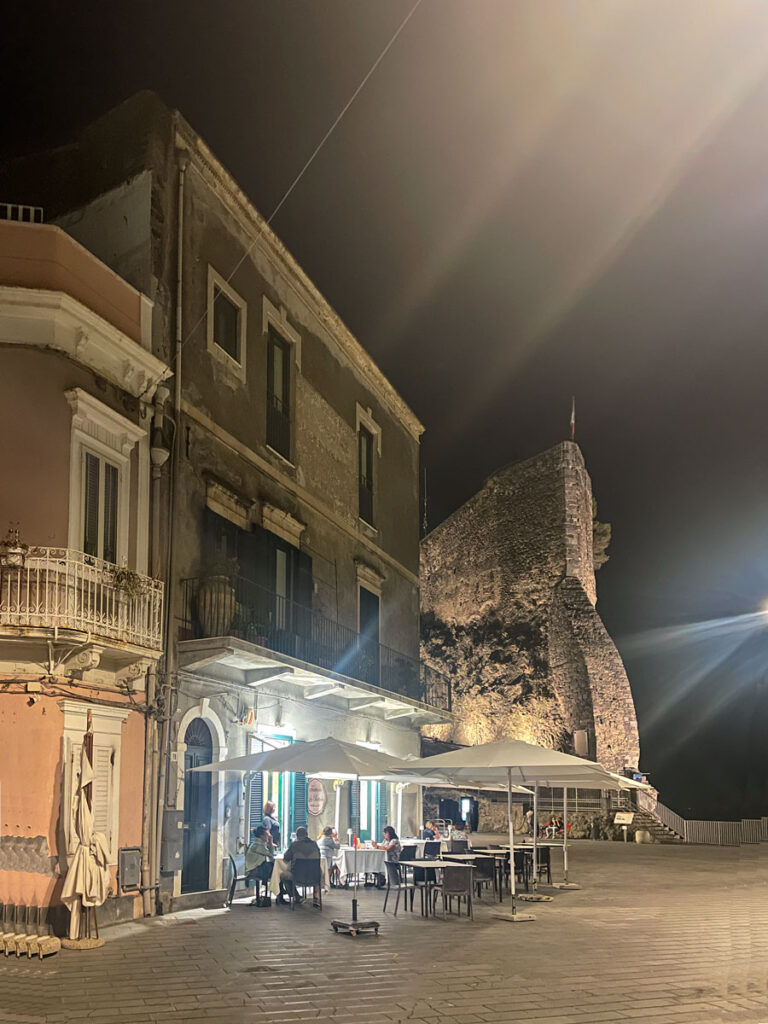
Dinner on Piazza Castello – Trattoria La Bellola
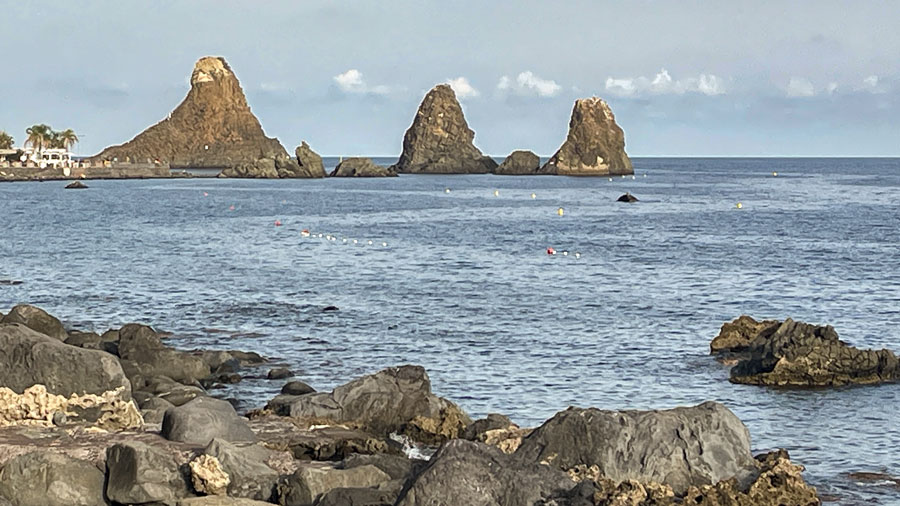
The lava stacks – According to Greek mythology, the Cyclops Polyphemus lived near Mount Etna and, in a fit of rage after being blinded by Ulysses (Odysseus), threw massive boulders into the sea to stop his escape.