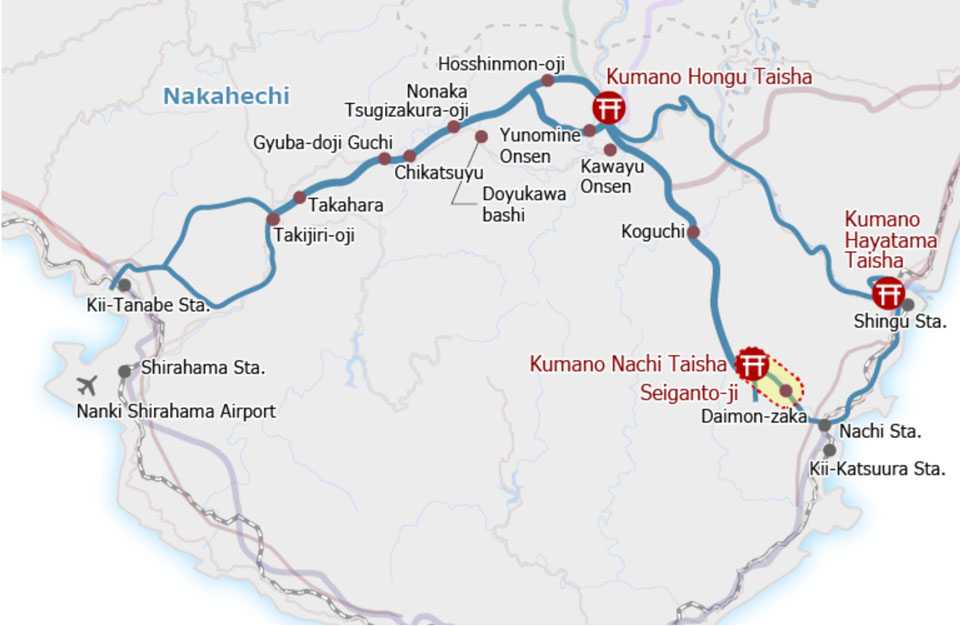
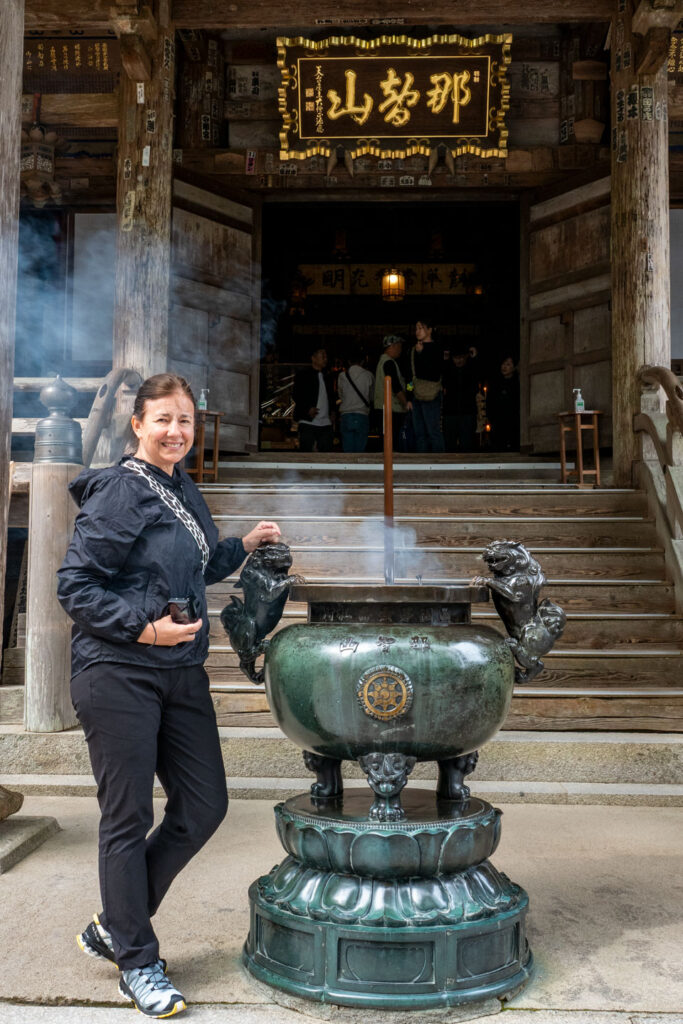
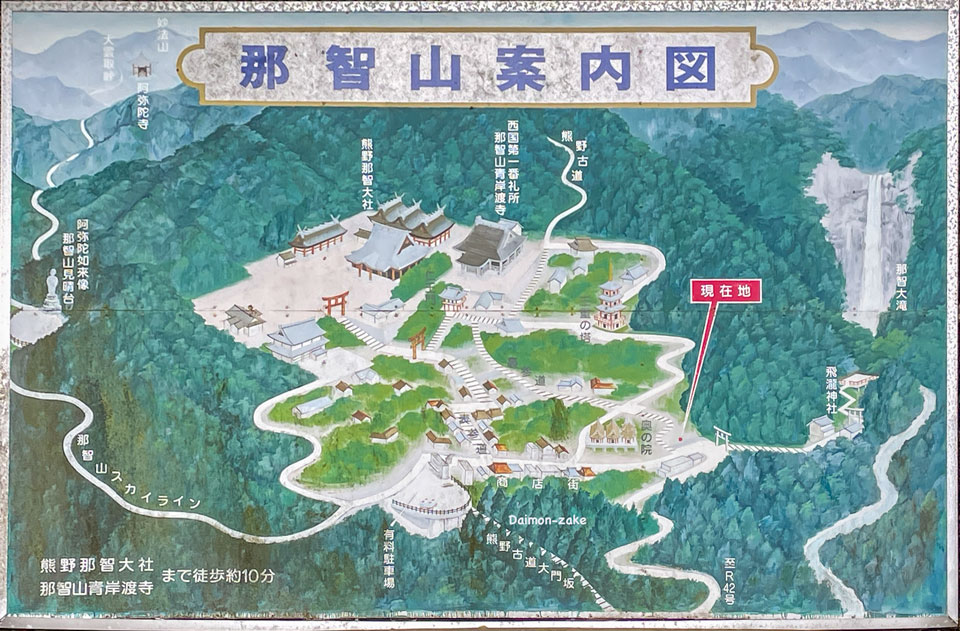
Fortified by a delicious Japanese drip coffee from a kiosk outside Kii-Katsuura station we catch the 8:25 bus to Daimonzaka which leads to Nachi Taisha, the third and final Sanzan grand shrine that we will visit.
Daimon-zaka
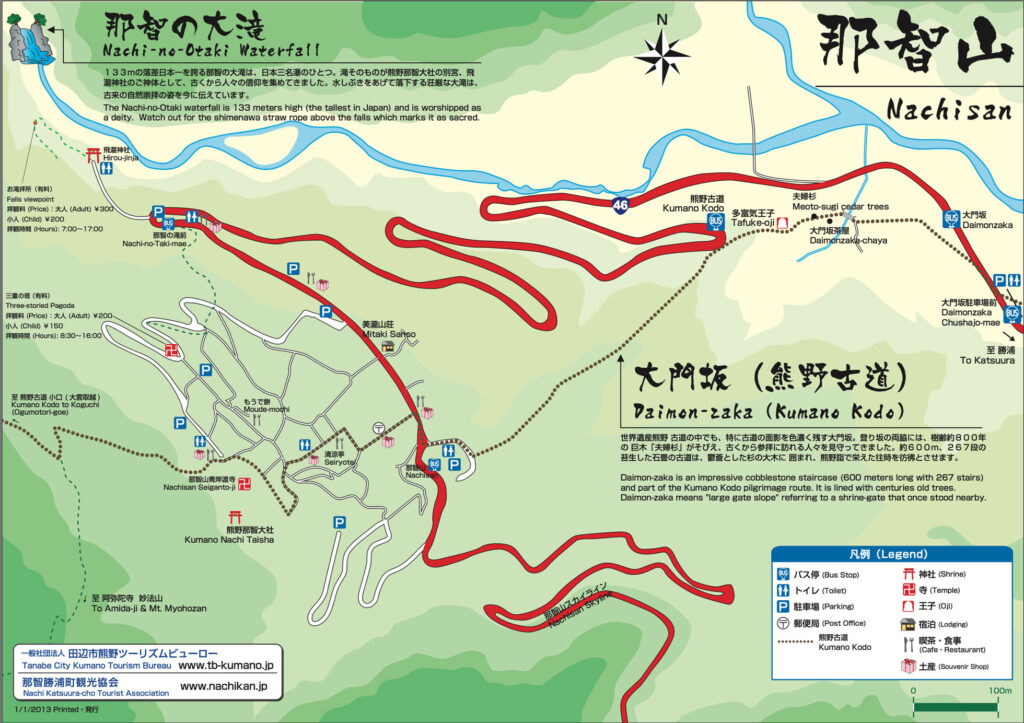
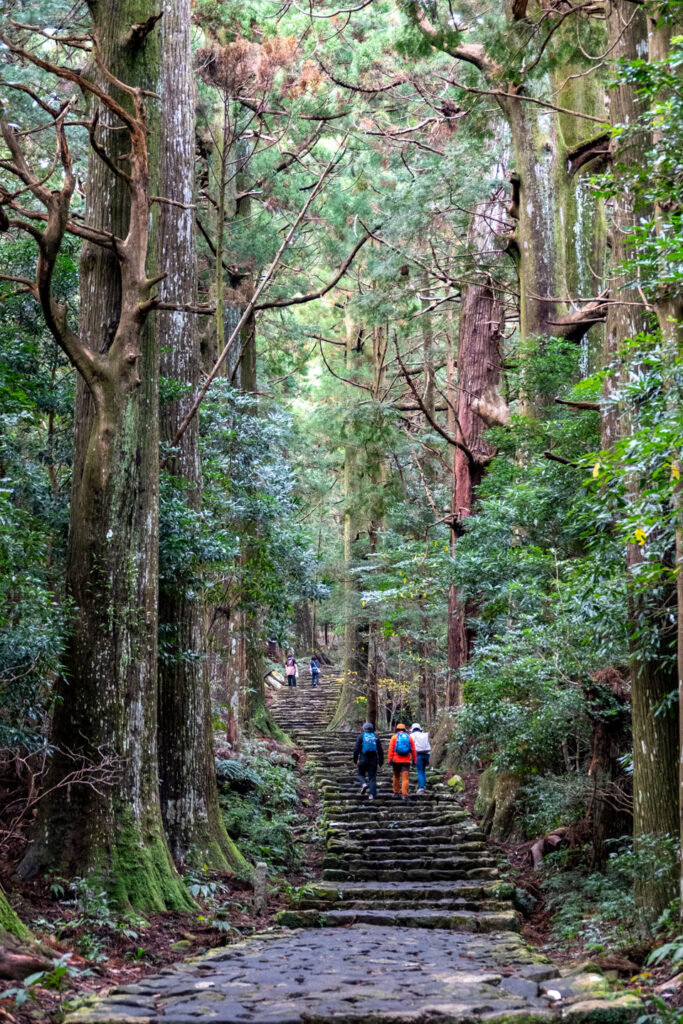
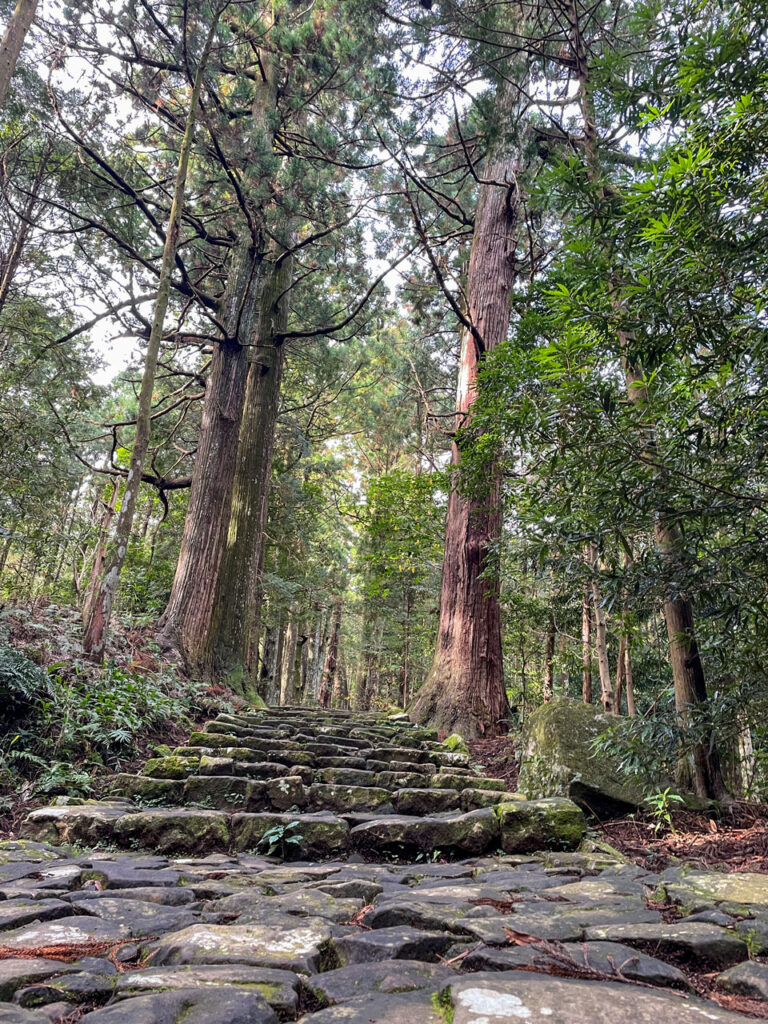
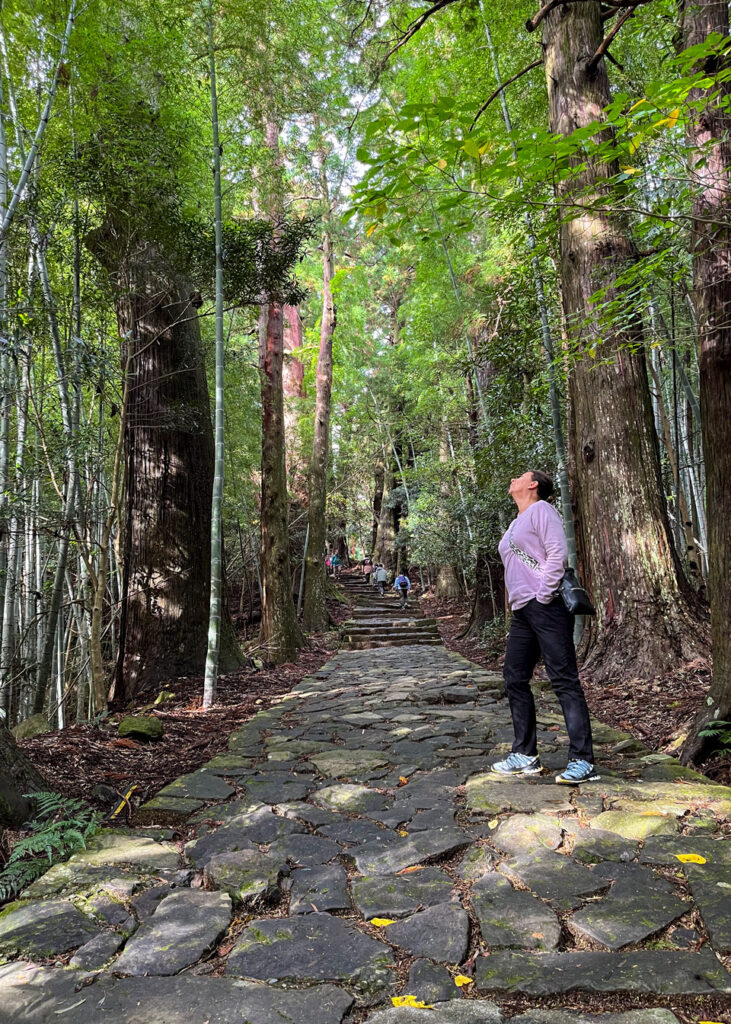
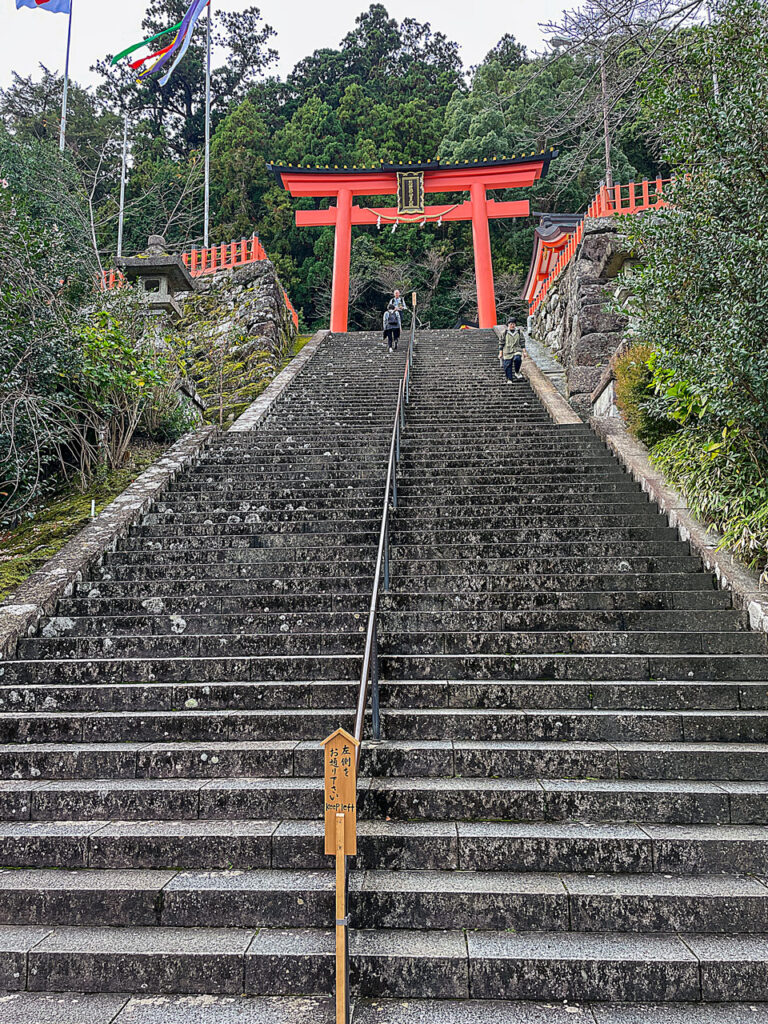
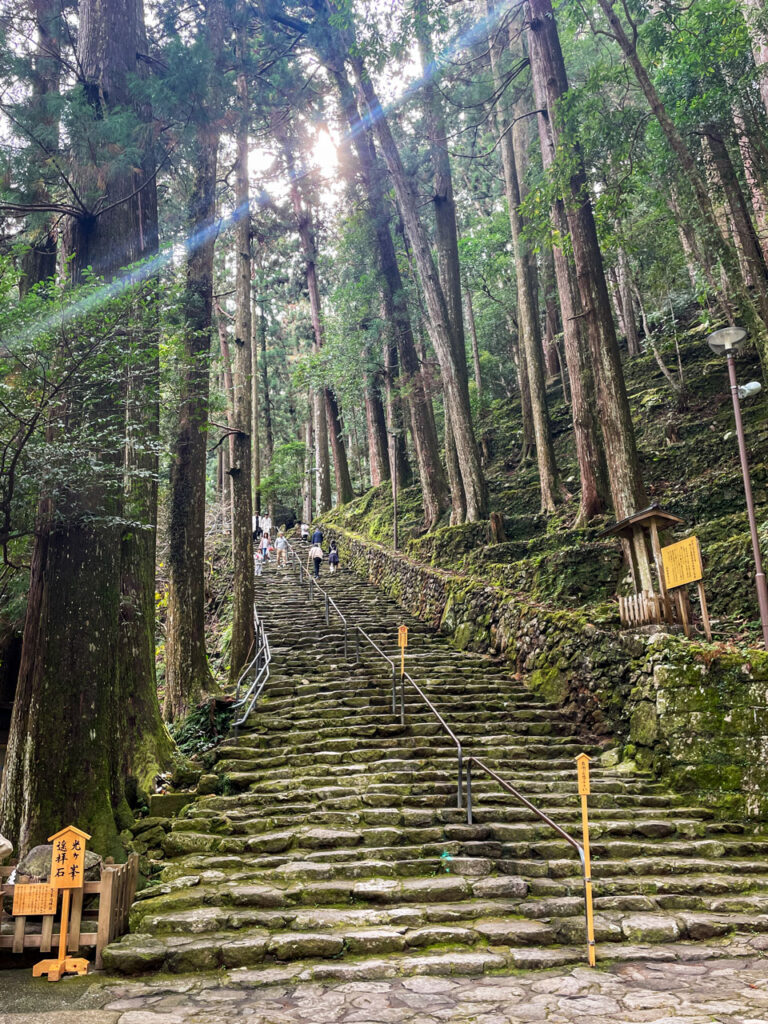
Daimon-zaka is an impressive cobblestone staircase slope which runs from the base of the valley to Kumano Nachi Taisha, Seiganto-ji Temple and Nachi waterfall. It is lined with centuries-old Japanese cedars (cryptomeria), cypress, camphor trees and bamboo groves. Daimon-zaka means “large gate slope” referring to a gate that once stood nearby. The actual stone staircase is about 600 meters long with 267 stairs.
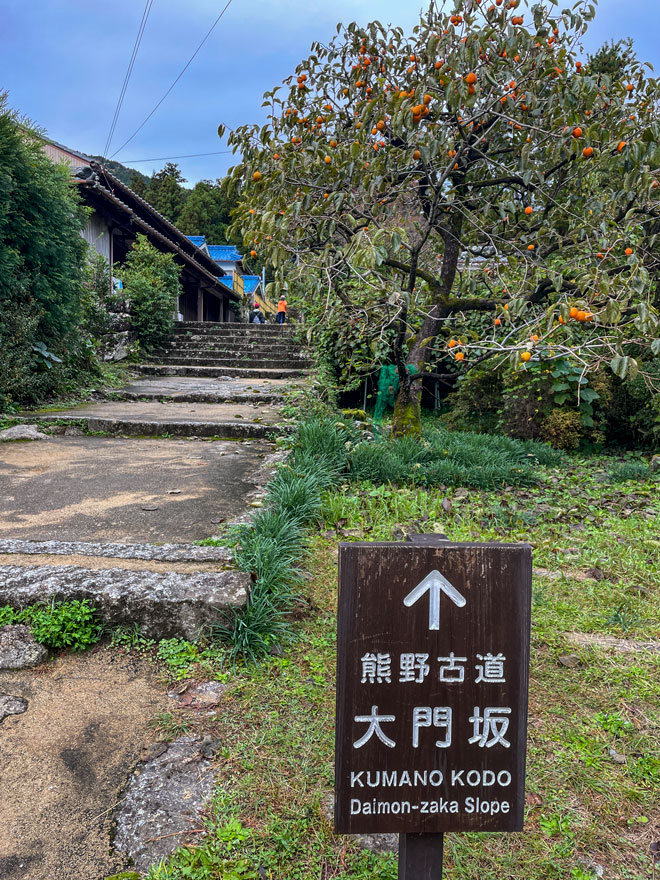
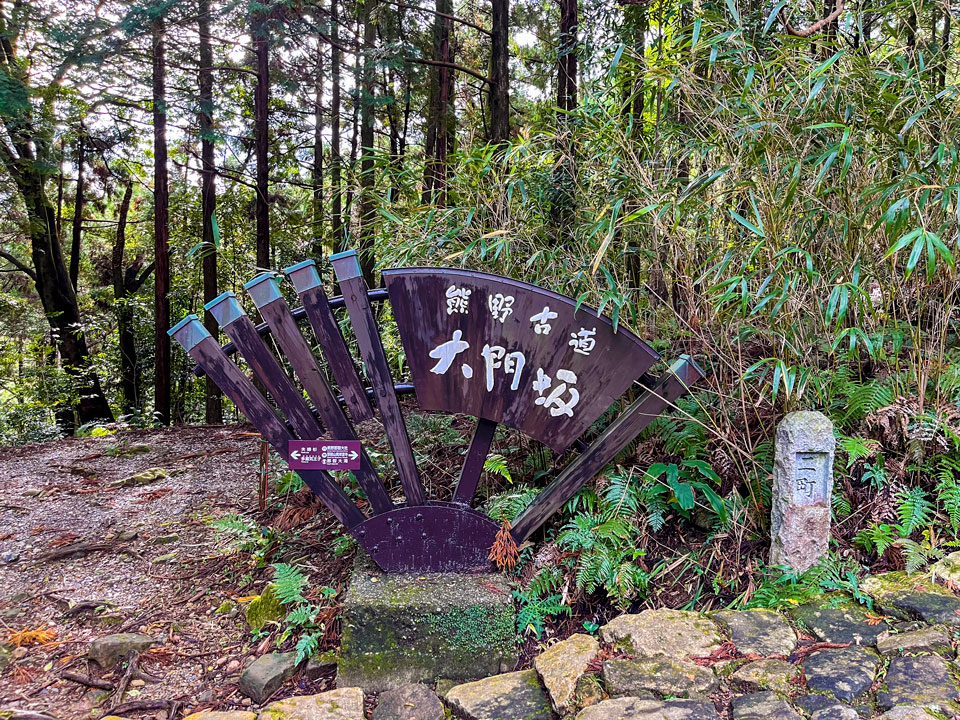
As ever, there are clear directions everywhere.
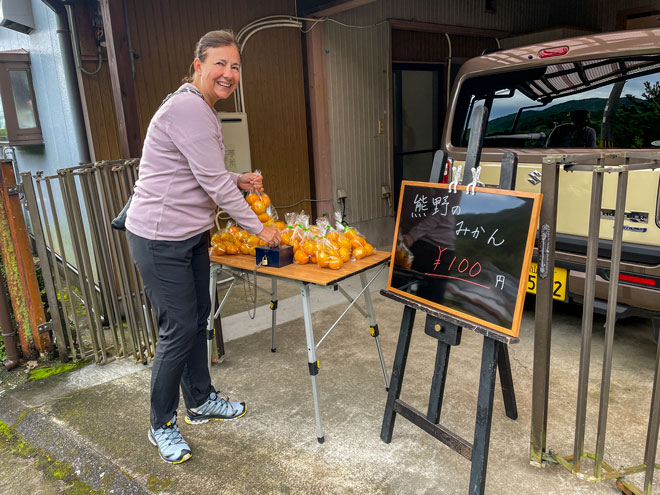
We buy a bag of mikan oranges from a table using the honesty box.
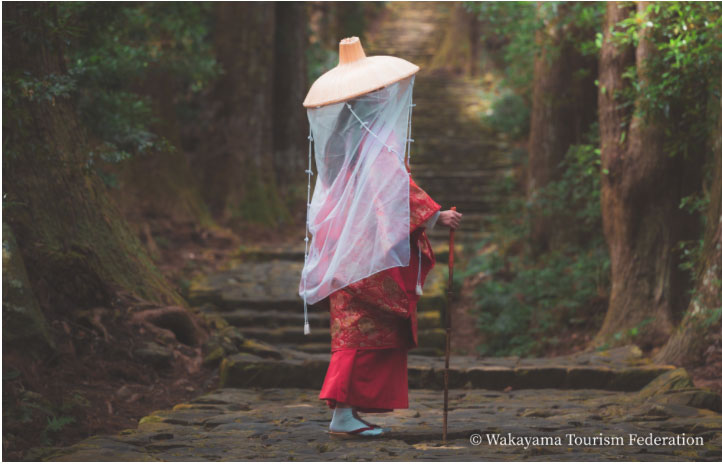
Visitors can experience the Heian period (about 1,000 years ago), by dressing up in period costumes. Unfortunately, nobody is dressed up for us!. Photo credit: Wakayama Tourism Federation
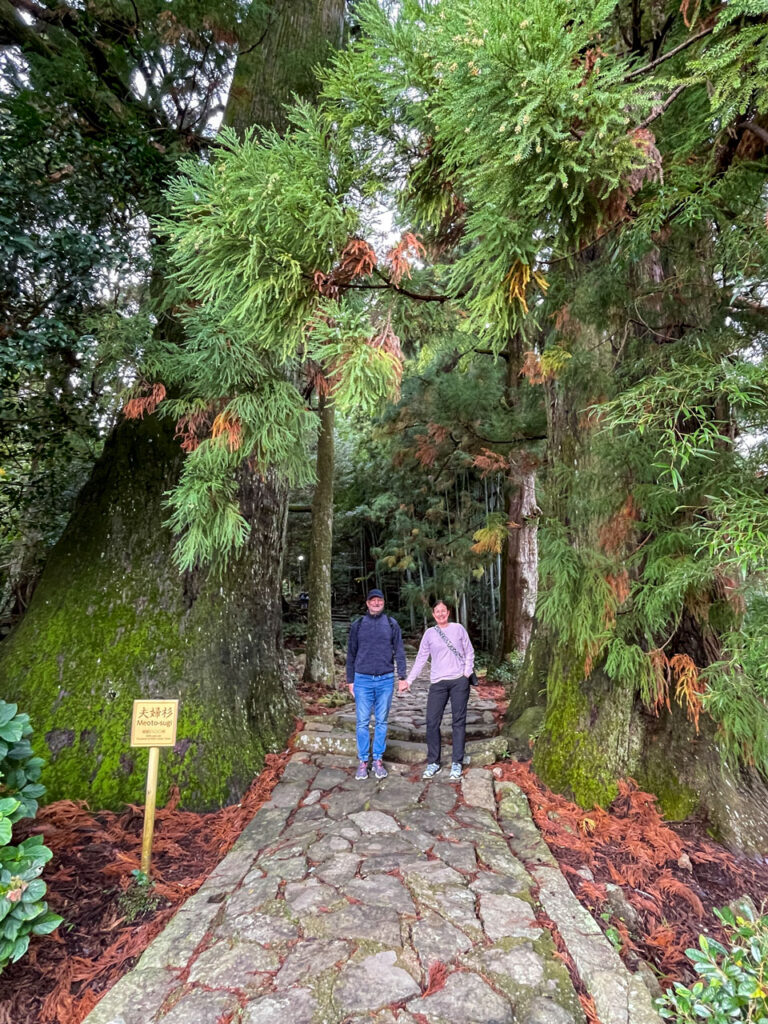
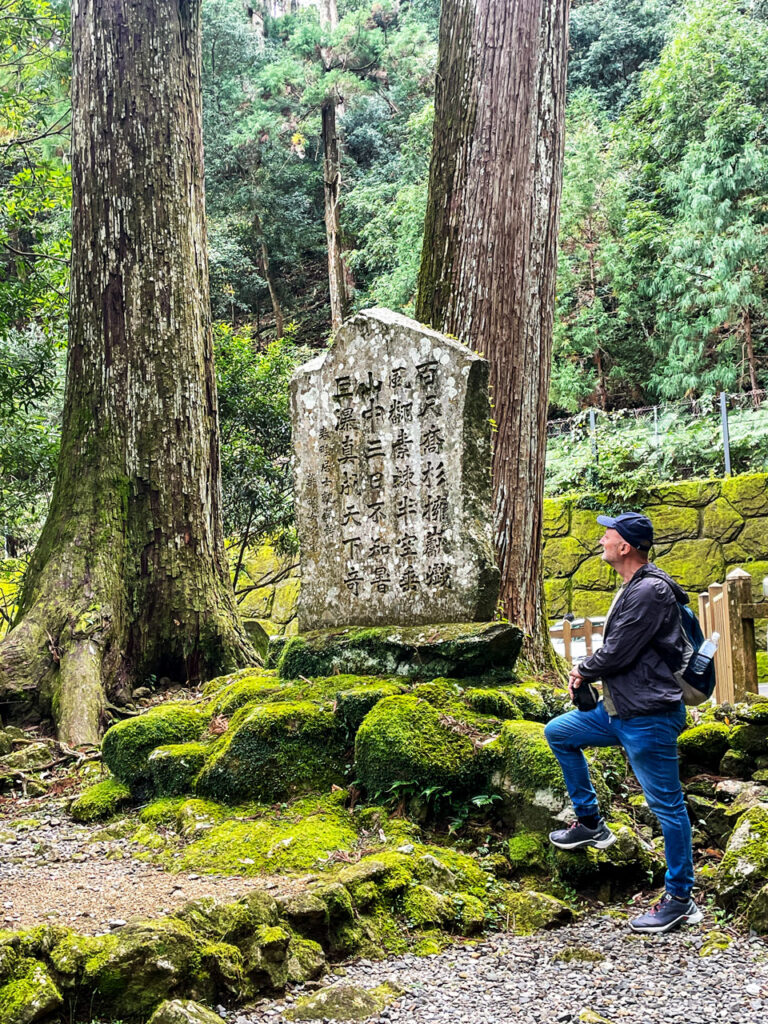
At the base of the slope is the impressive Meitosugi – “husband and wife” cedar trees, whose roots are entwined beneath the path. They are 800 years old.
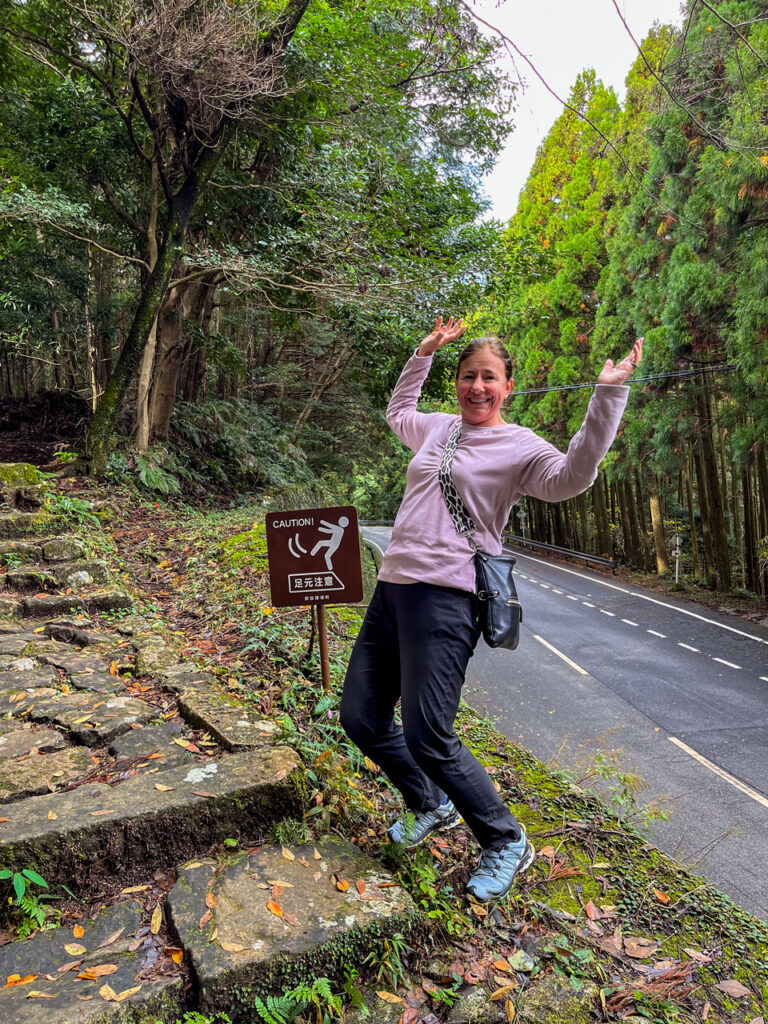
“Don’t fall over the edge!”
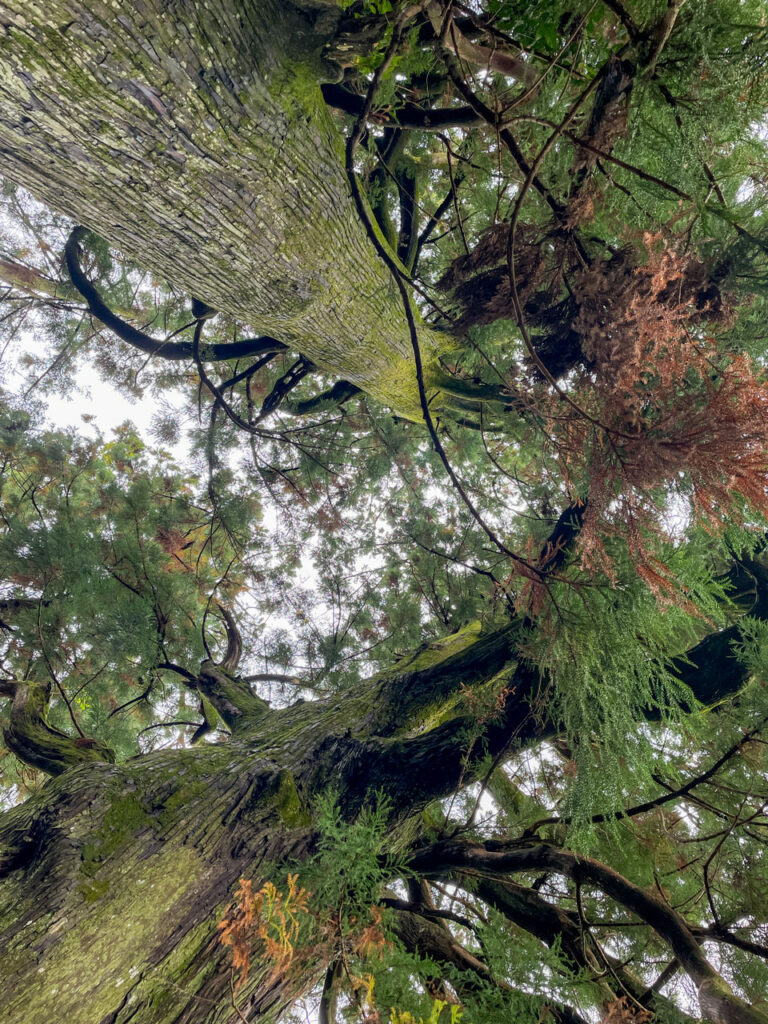
The stately cedar trees stretch high into the sky on either side of the steps. The walk is steeper and longer than we expected, but it is cool and the earthy forest smells are soothing and we don’t want it to end.
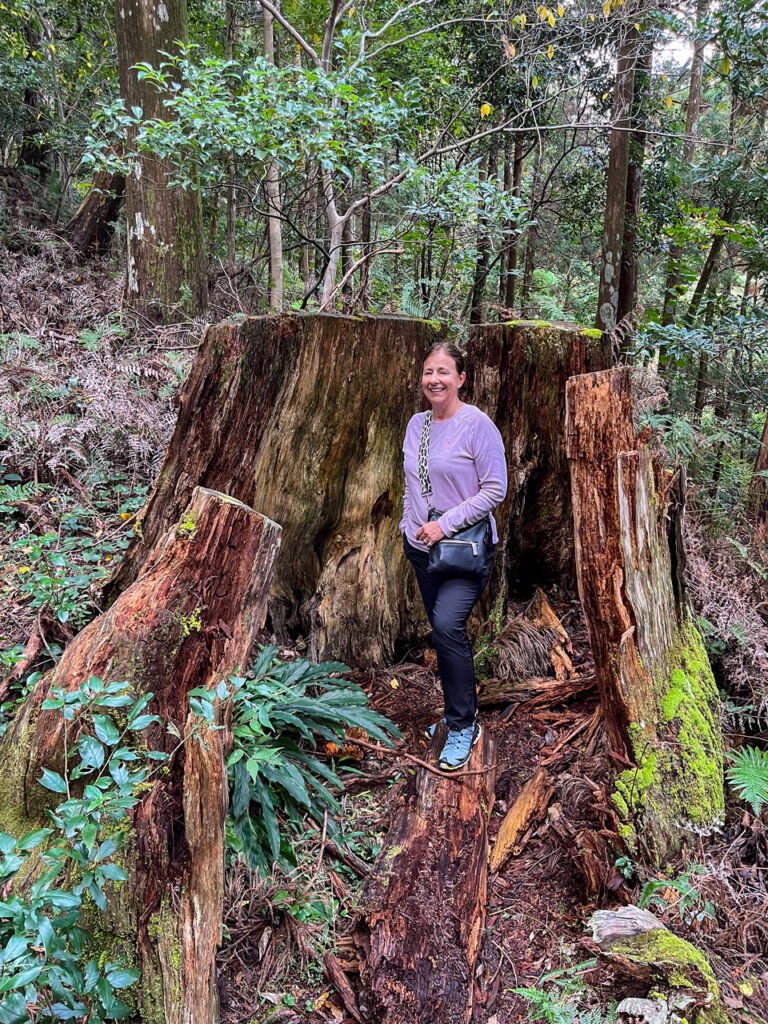
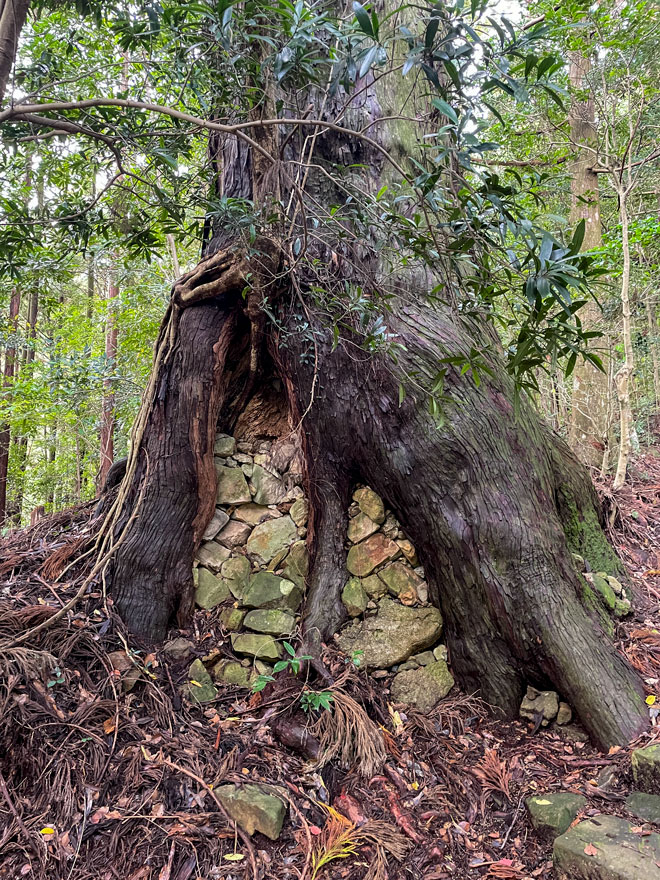
Hidey holes or propping up the tree?
We arrive in the little village with restaurants and souvenirs. It’s designed for tourists but, as usual everything is so tastefully done.
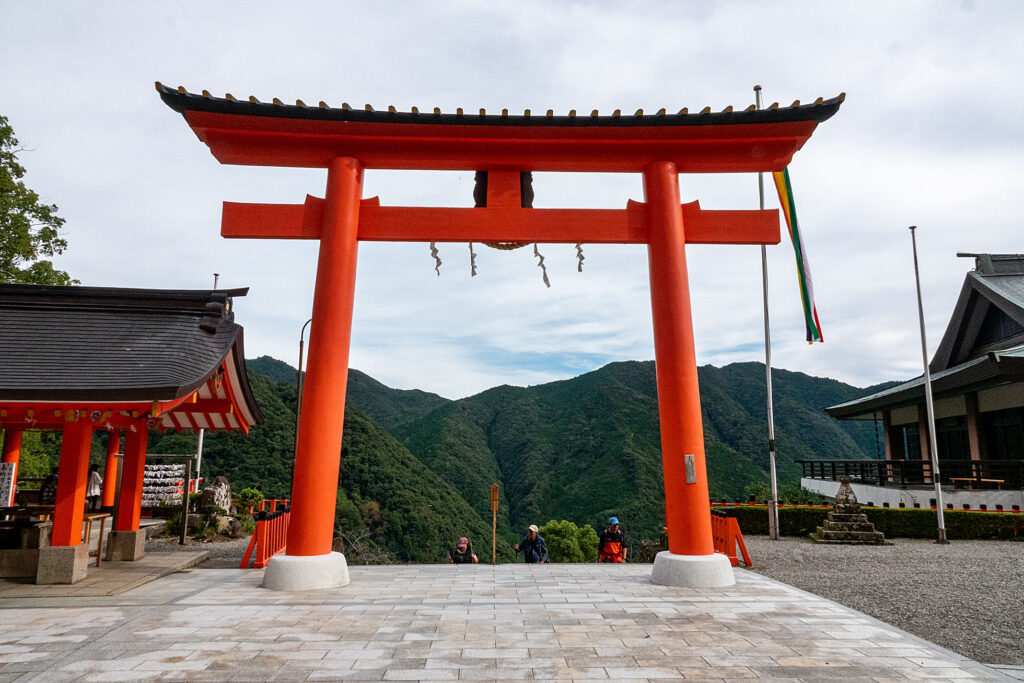
At the top of Daiman-zaka a flight of stairs leads to the shrine complex.
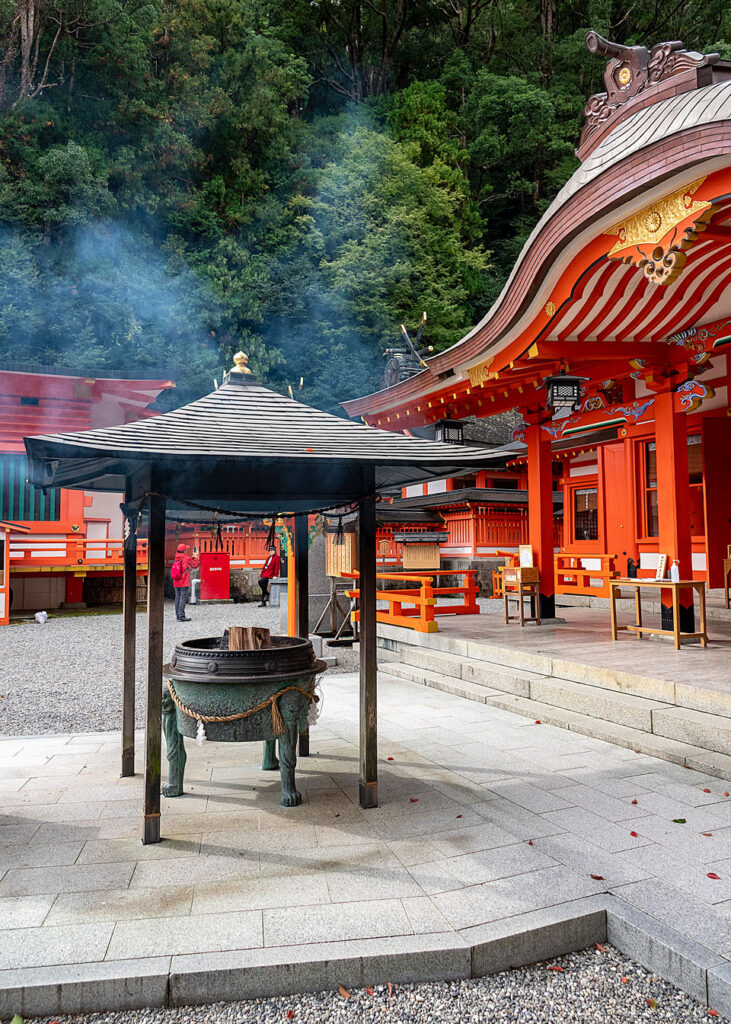
Delightful to sit and drink in the beauty and contemplate the history of this place.
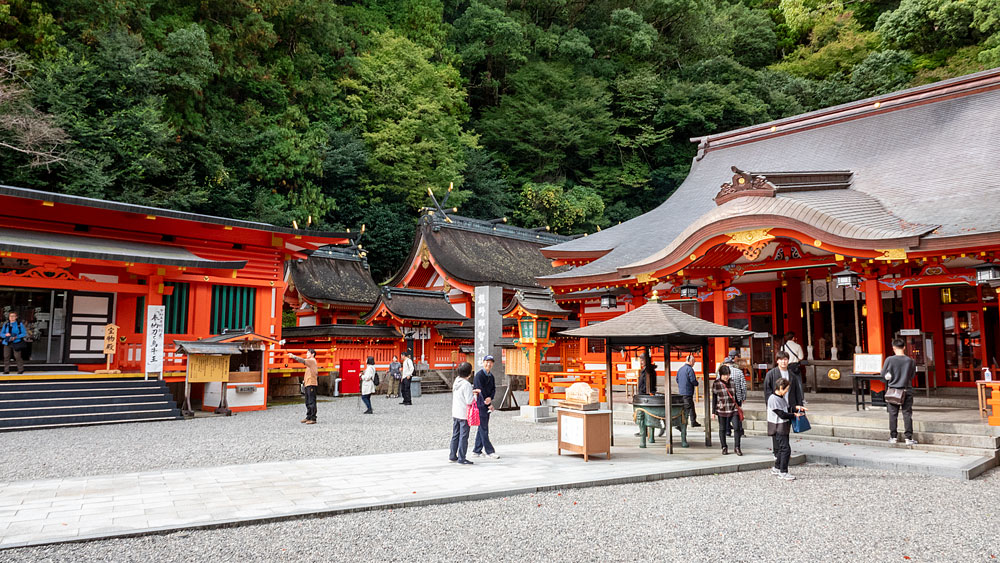
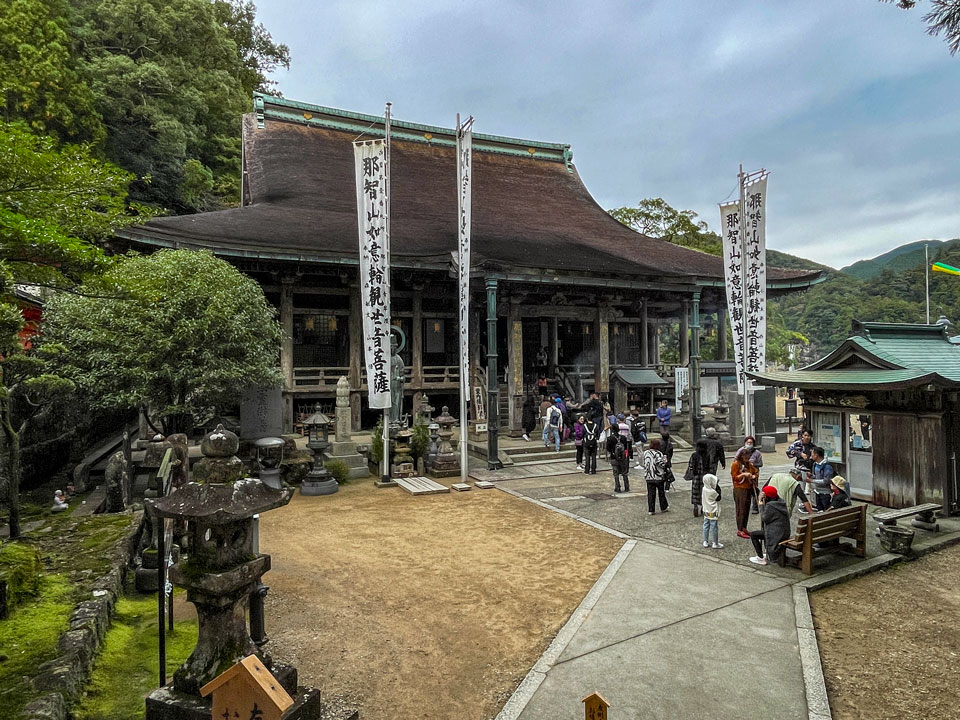
The last of the three grand shrines of our trip, Kumano Nachi Taisha is located halfway up Nachi Mountain, about 350 meters above sea level.
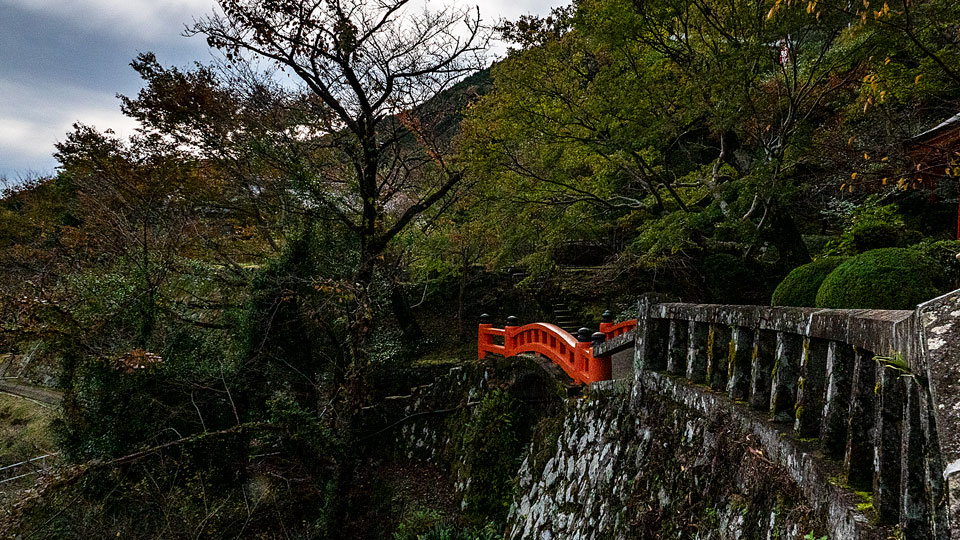
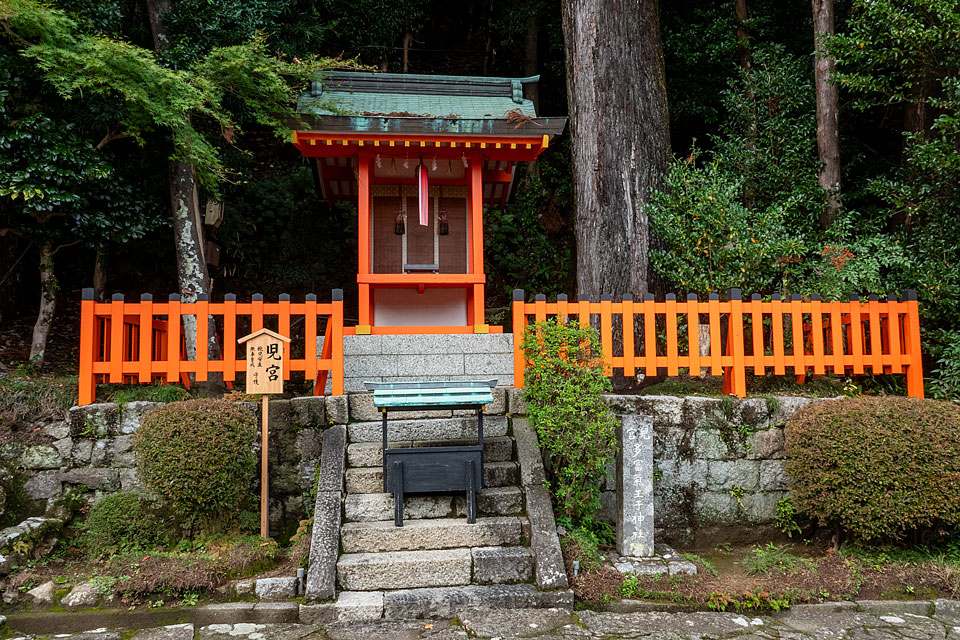
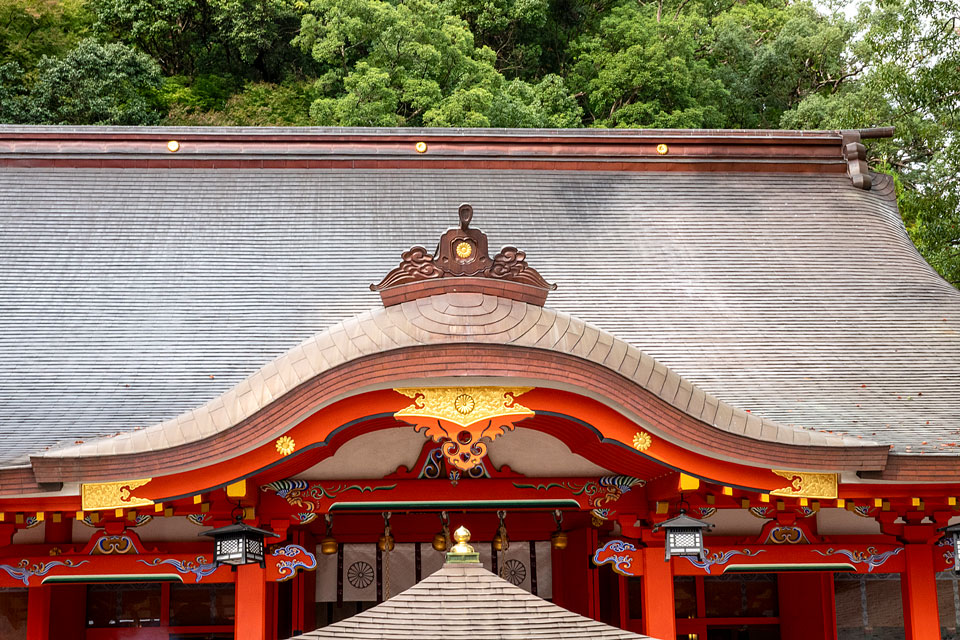
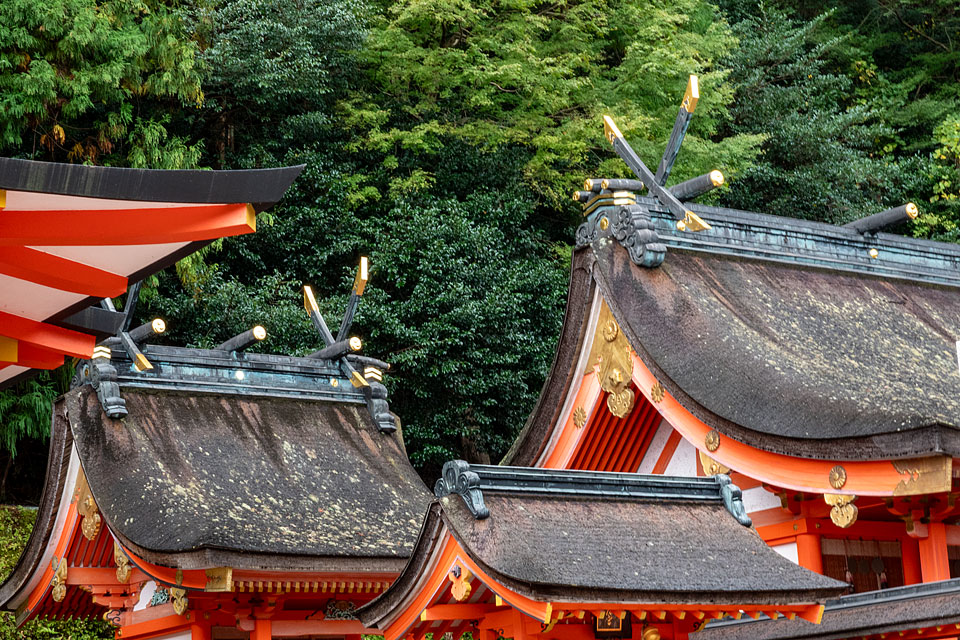
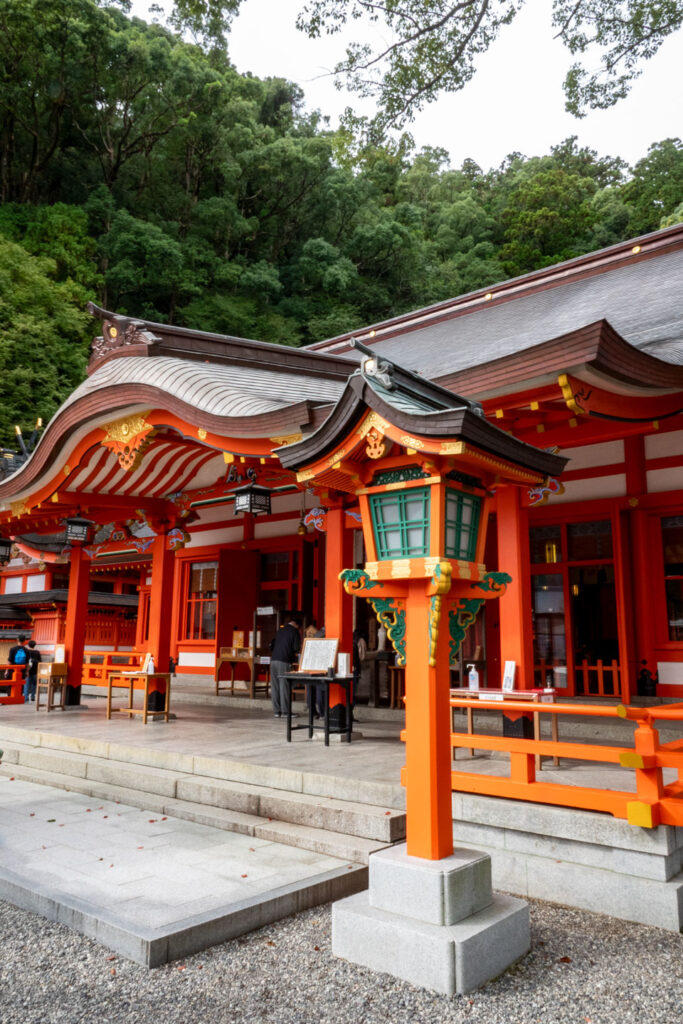
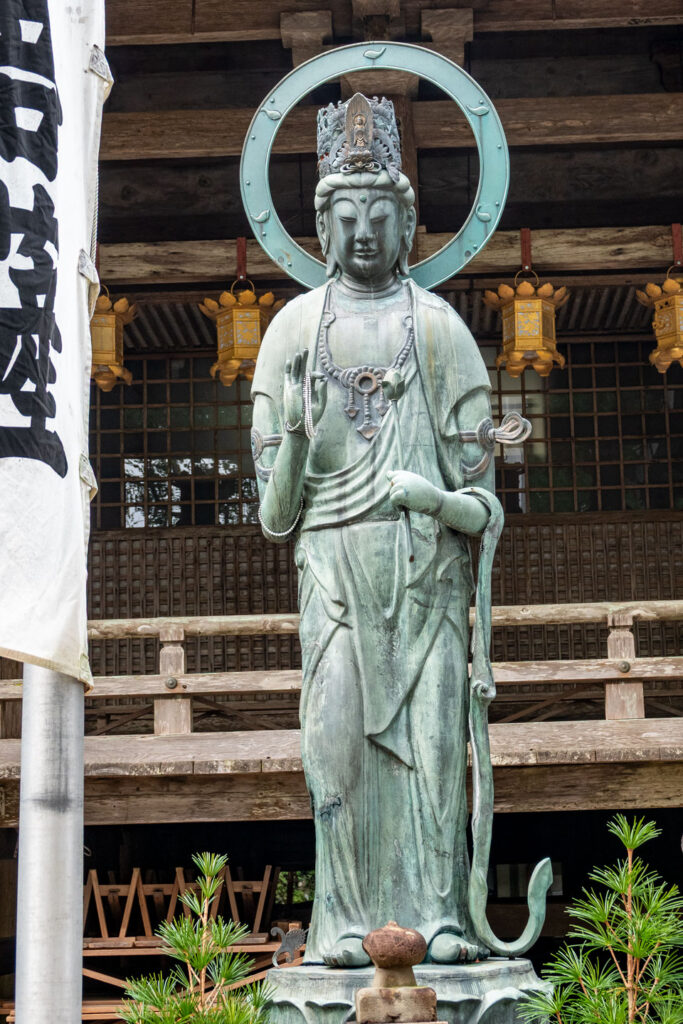
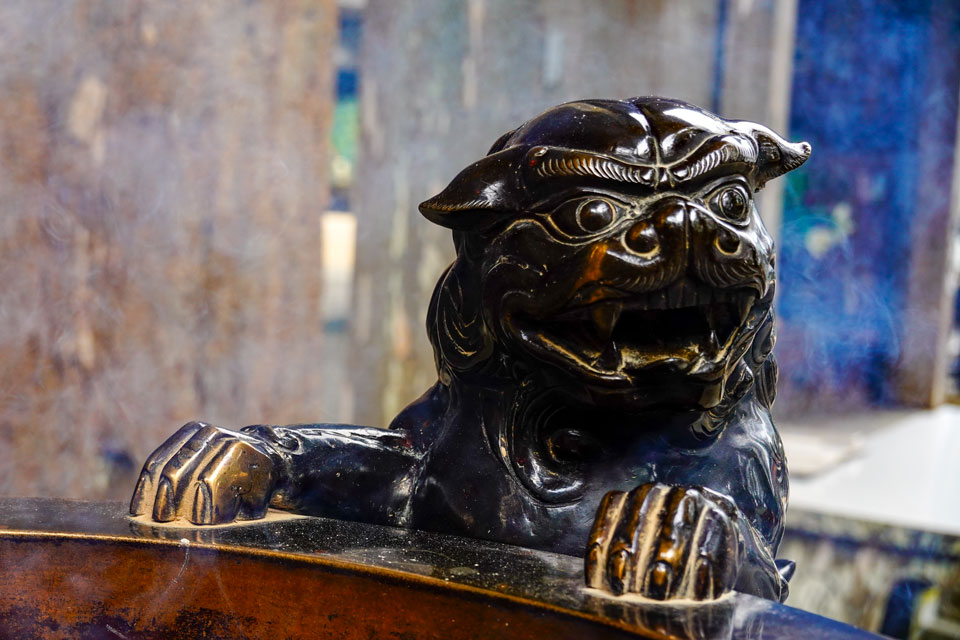
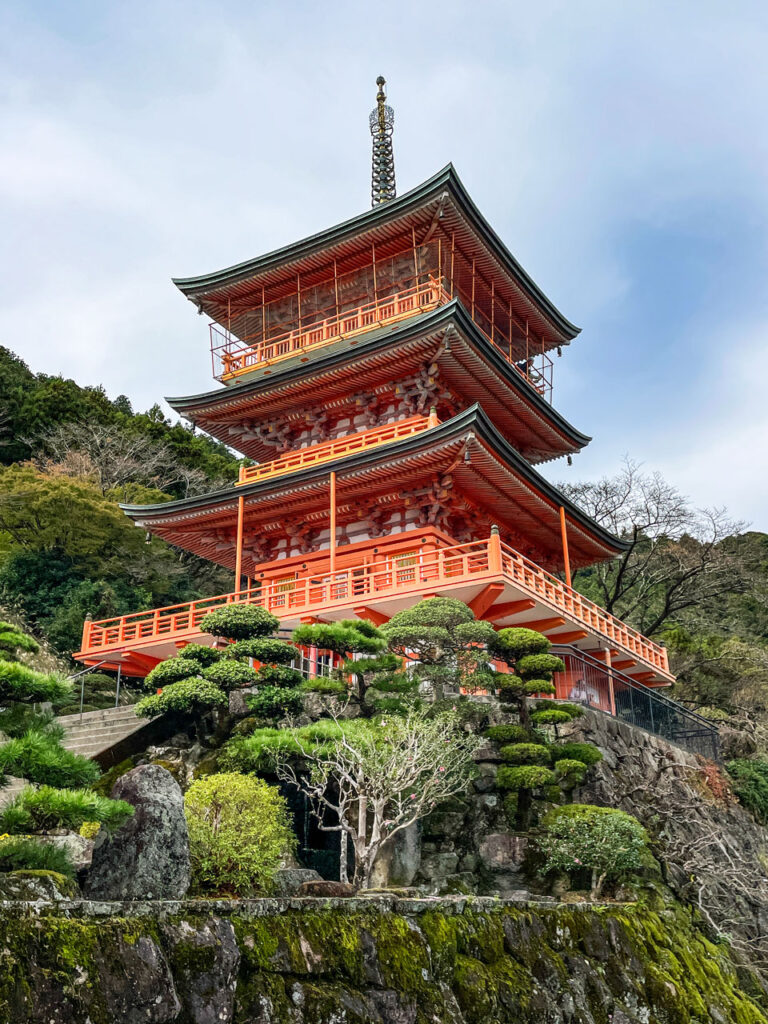
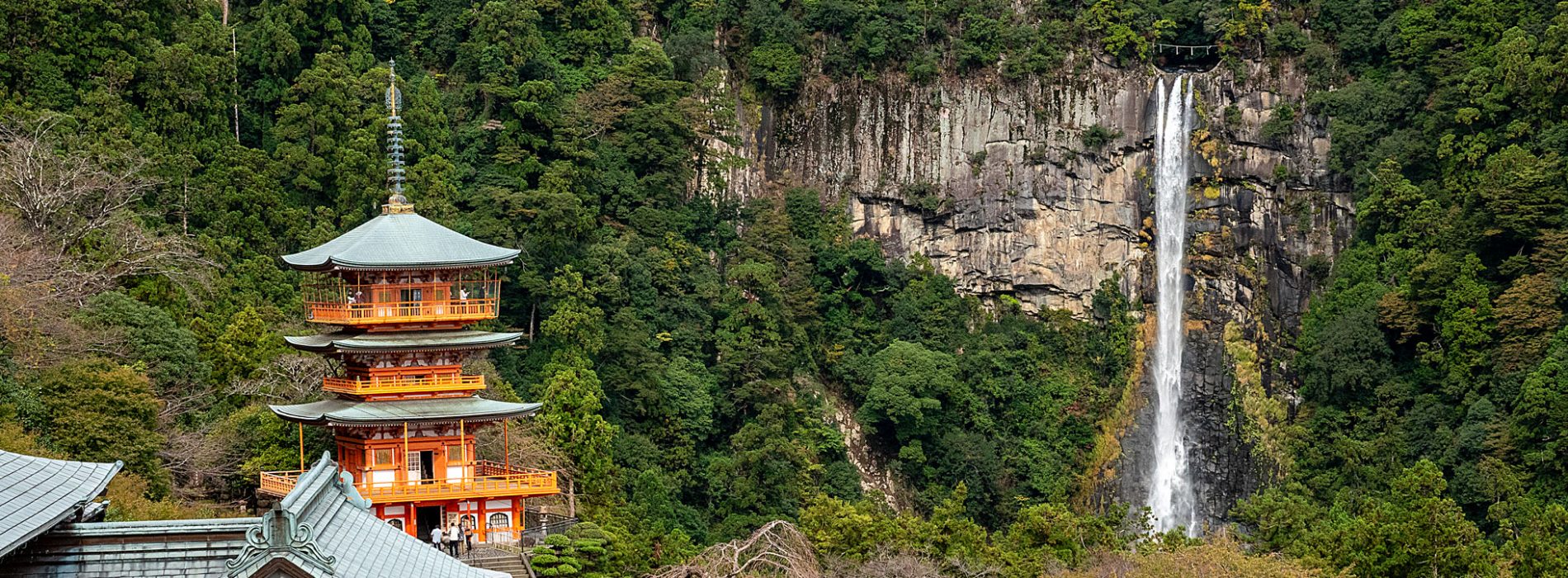
Seiganto-ji temple was founded in the early 5th century and is one of the oldest buildings in the region. The vermilion buildings are always striking. These are particularly beautiful.
The branches of a giant camphor shade the roof of the worship hall.
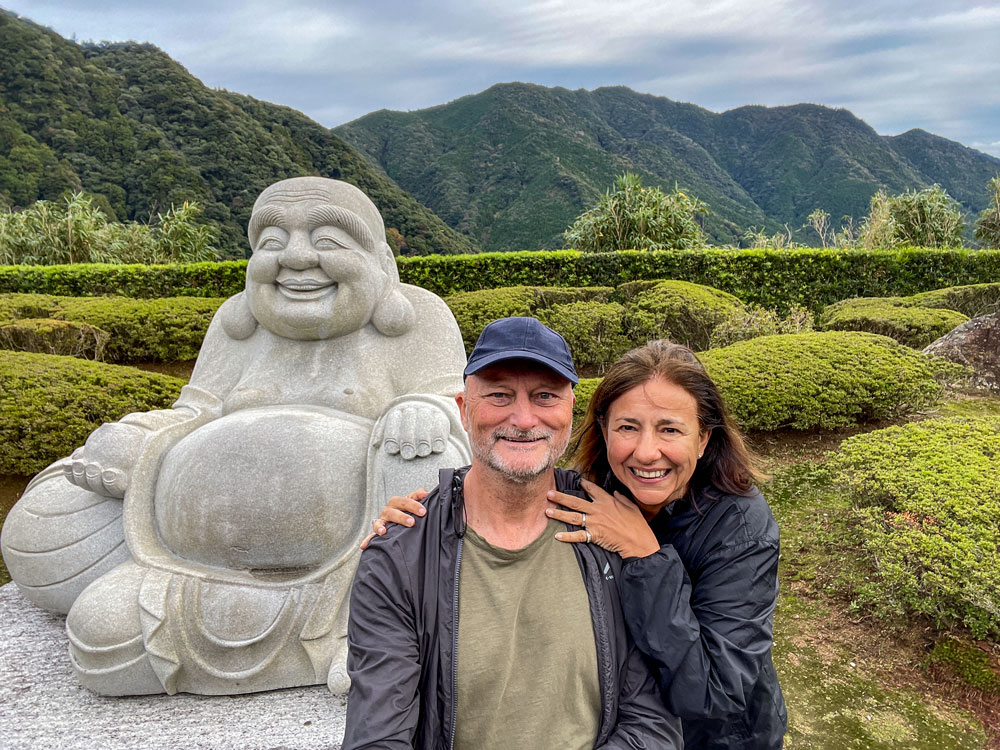
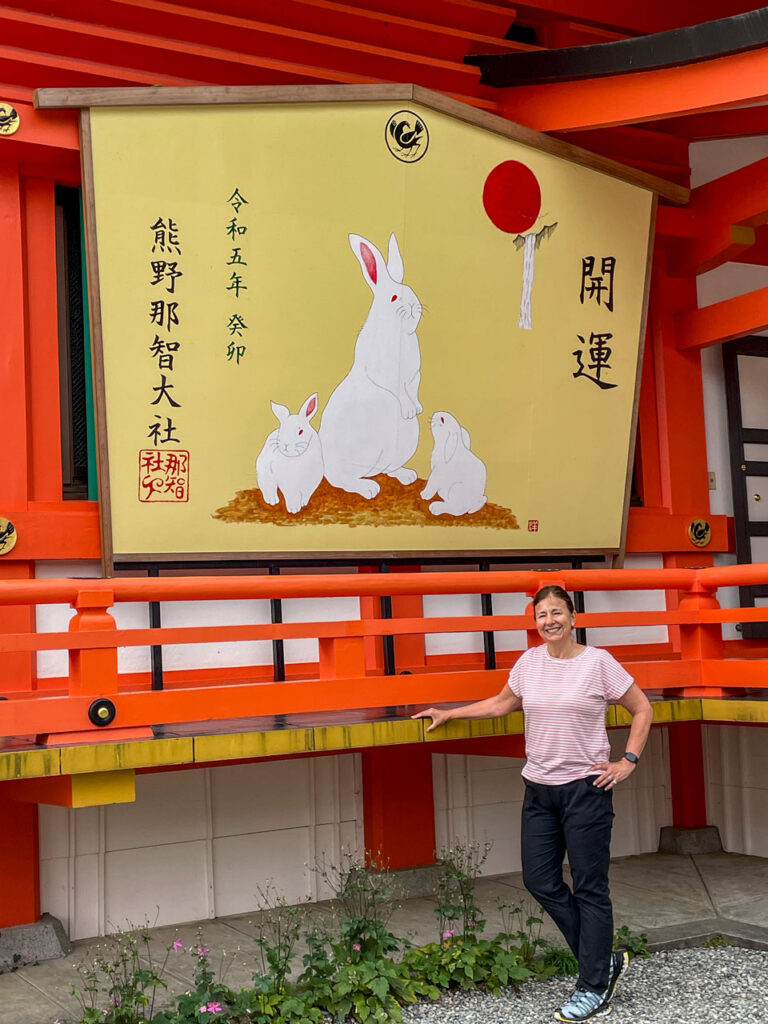
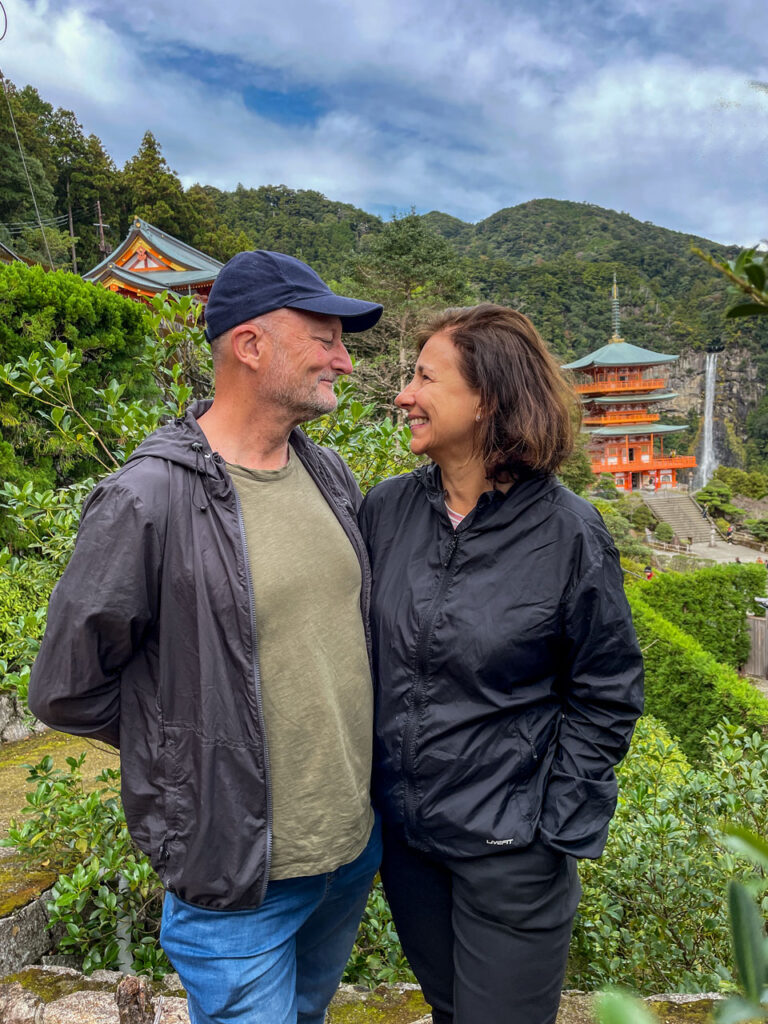
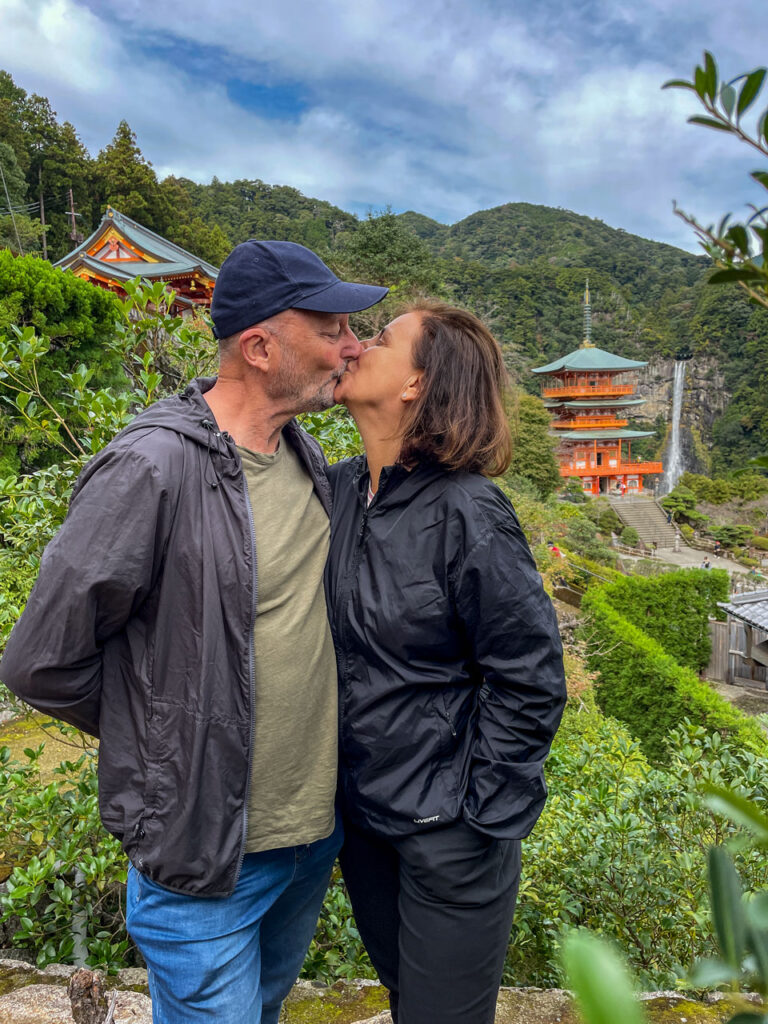
There is a large group of Thai tourists getting their photos taken by the tour guide. We wait paitiently as this does seem to be an ideal photo for a selfie. When we finally get to the front we find that the selfie stick is just not doing the trick, so we ask the Thai tour guide who gets us to try different poses. Our patience is rewarded.
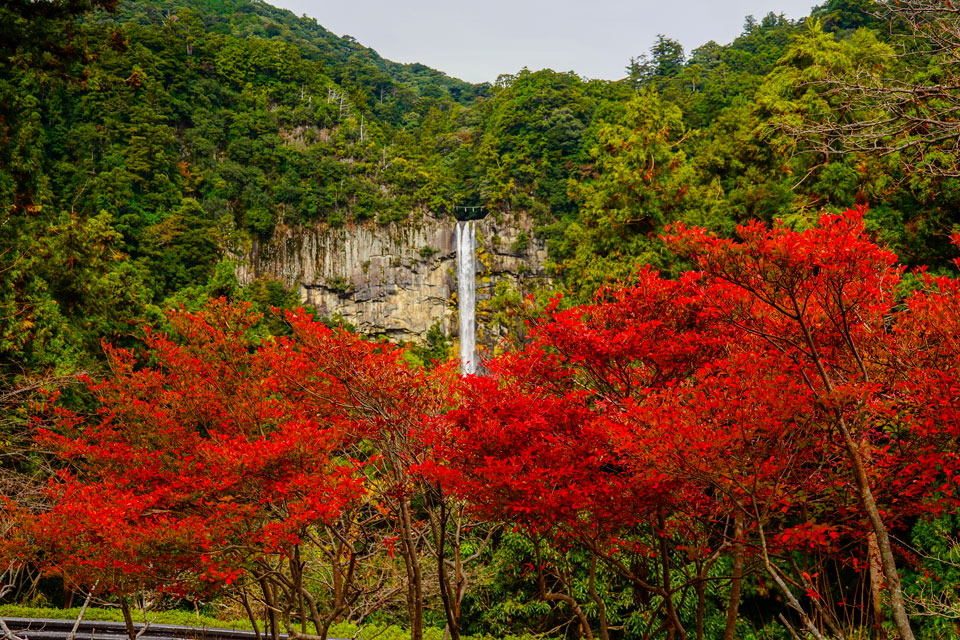
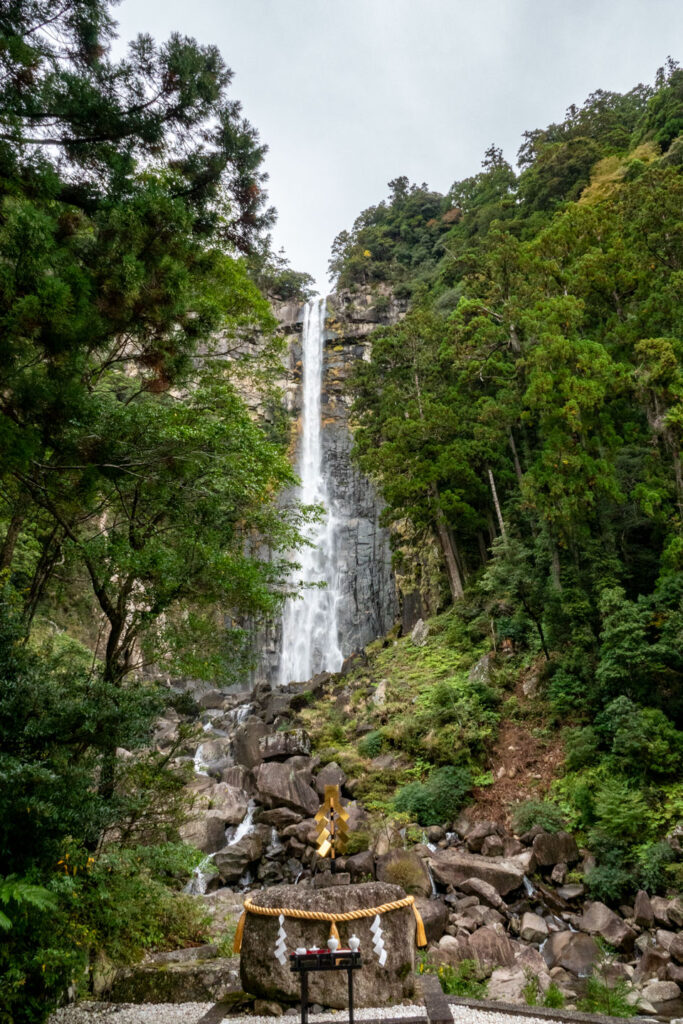
N achi-no-Otaki is 133 meters high and 13 meters wide – the tallest waterfall in Japan.
It’s water source is the surrounding broad-leaf evergreen primeval forest, a sanctuary that has been protected since ancient times, used for ascetic training by mountain monks who practice Shugendo, a mixed religion of foreign and indigenous beliefs.
The walk down to the falls is beautiful with cut steps but with some rough patches.
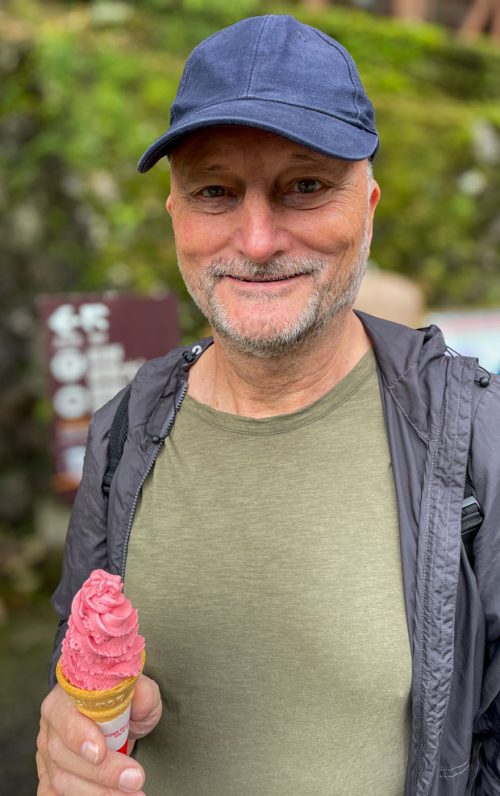
It has been a full morning and we make make our way to the bus stop (Nachi-no-Taki-mae) and enjoy ice creams while waiting for the bus to Kiikatsuura.
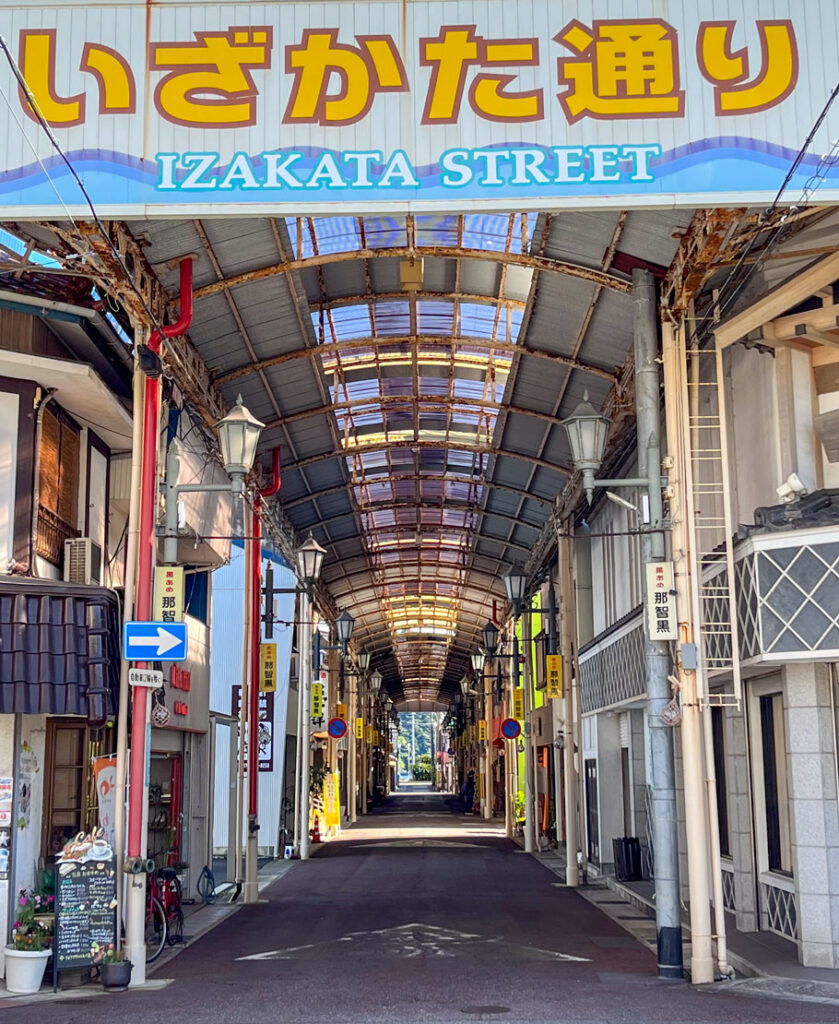
The town has a covered arcade (shotengai) that dates back to the 1950s leads out from the train and bus station to the port.
We had seen Nora Pizza here in our exploration the previous evening and had been salivating all day about about something different, unfortunately it’s closed for lunch. Bodai, is open but the lunch time menu is different and there is no Caesar salad.
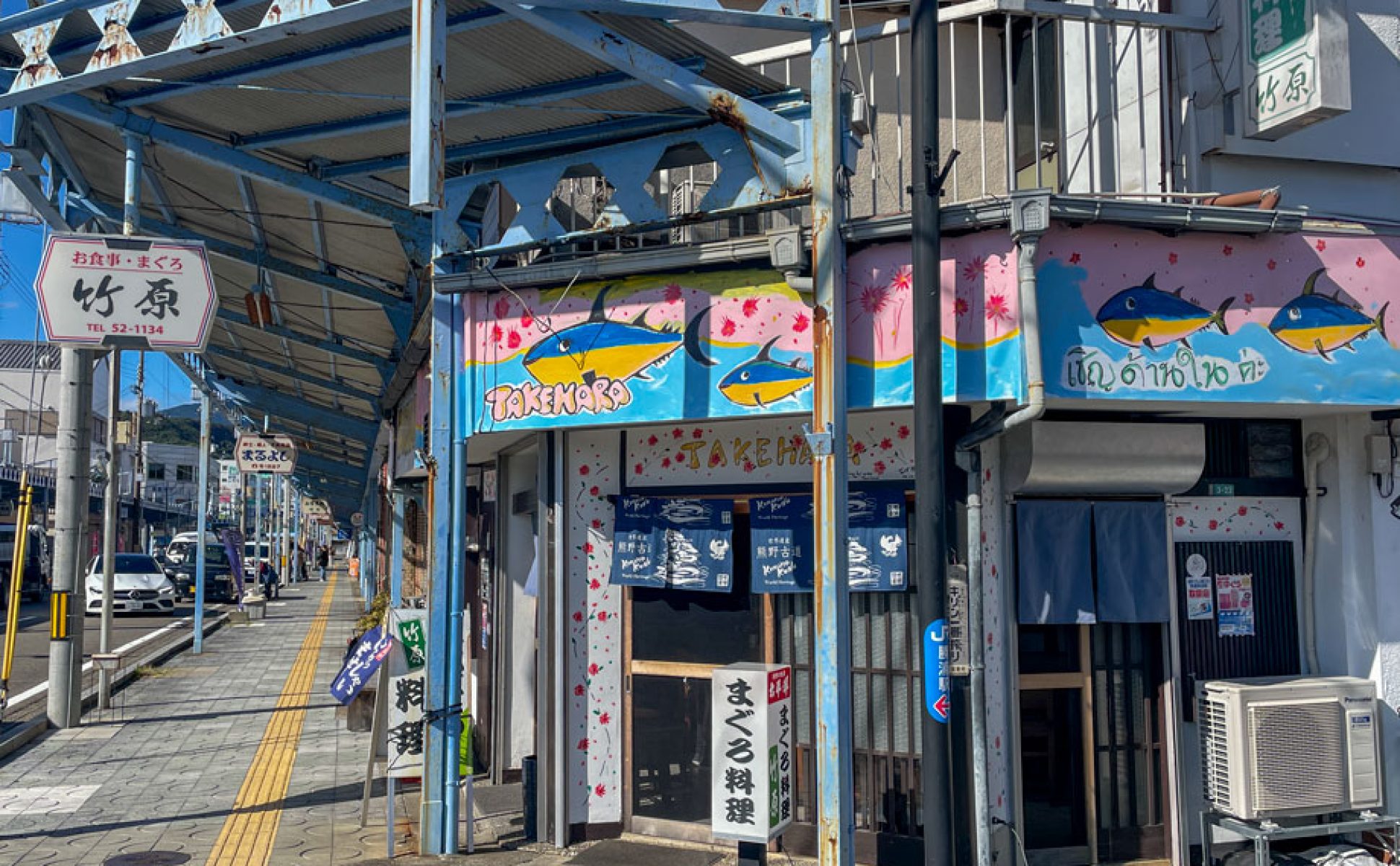
We decide to try Takenara full of locals and absolutely no English spoken.
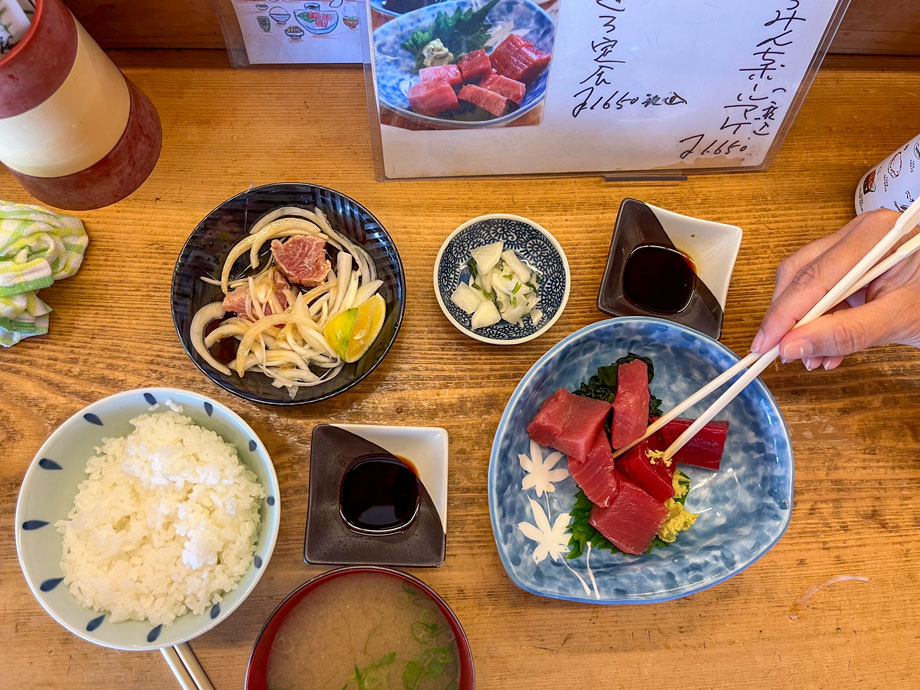
We point to a picture of a Set: bowl of Tuna sashimi, pickles, rice and Miso to share. Delicious, but can’t understand anything else on the menu, so it is hard to order other dishes.
Still hungry we wander down to the docks where the restaurant look like a tourist trap, but we are so hungry we pop in. Wow. It’s not a restaurant but an array of takeaway joints. You see what you want, then go to the ticket machine, select the outlet, select the item, pay and then take the ticket to the outlet. The only problem is that it is in Japanese.
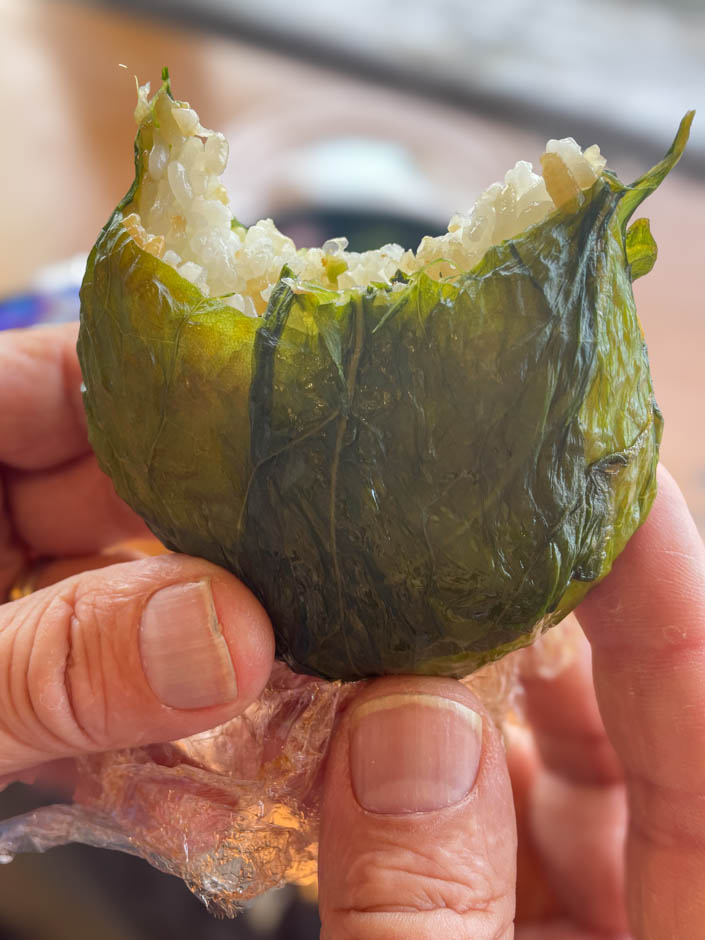
We go to the crispy fried chicken place and look suitably confused. The owner leaves his chopping/cooking/serving/cleaning and comes to help us – so Japanese! We add mustard leaf sushi – a local speciality. Mehari-zushi, is a favorite dish of the people in the Kumano region of southern Mie. Flavored sushi rice wrapped in Takana mustard leaf.
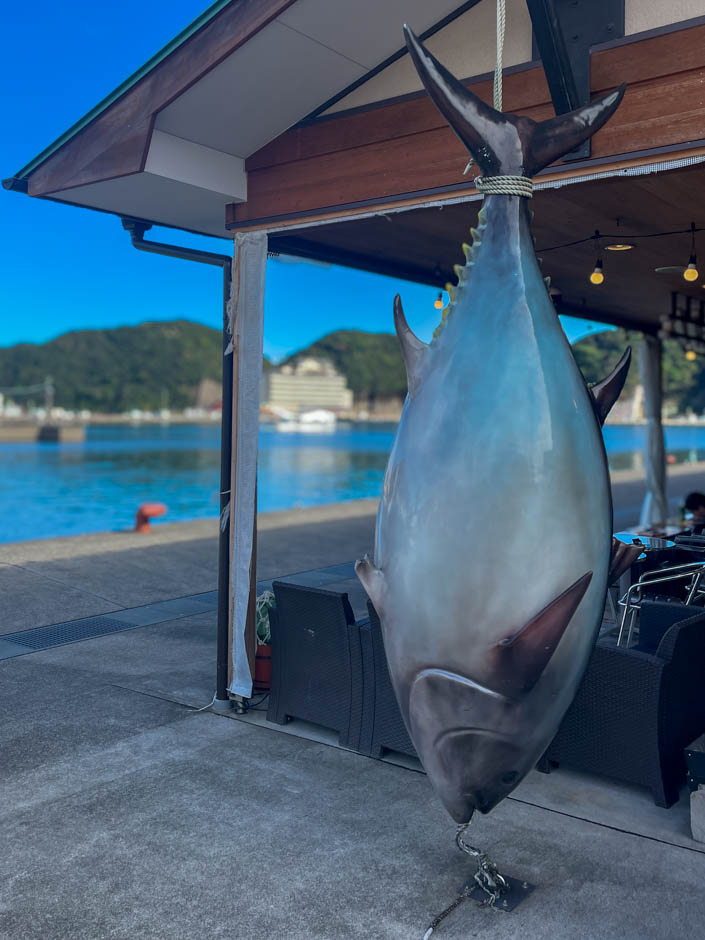
The largest tuna ever caught at Kii Katsuura port was a 450 kg (992 lb) Pacific bluefin tuna landed on March 12, 2018. This massive fish was so significant that a realistic life-sized model of it was created for the Nigiwai Market at the port.
The port is known for its large tuna catches, with some specimens exceeding 150 kg. It is the largest market in Japan for fresh, never-frozen tuna caught using the longline method.
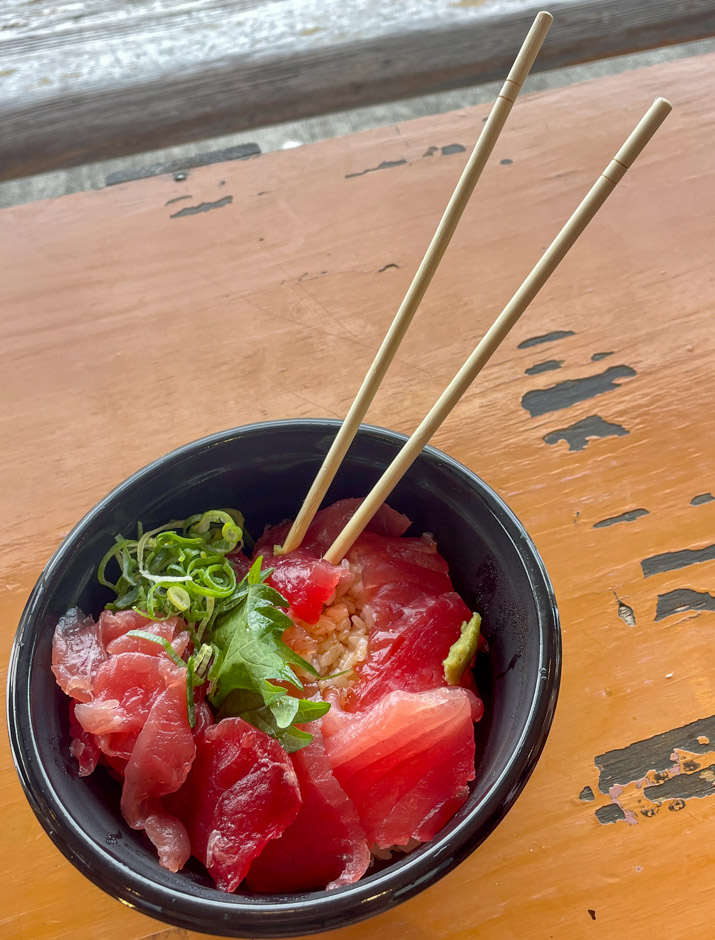
I find a bowl of ready cut tuna sashimi where they conveniently accept payment directly. We take our haul out to the patio – finally we enjoy a great lunch. Everything is delicious. So much so, we decide to get the same again for our long train trip to Hiroshima tomorrow. Unfortunately we had bought the last tub of tuna.So we buy more fried chicken pieces.
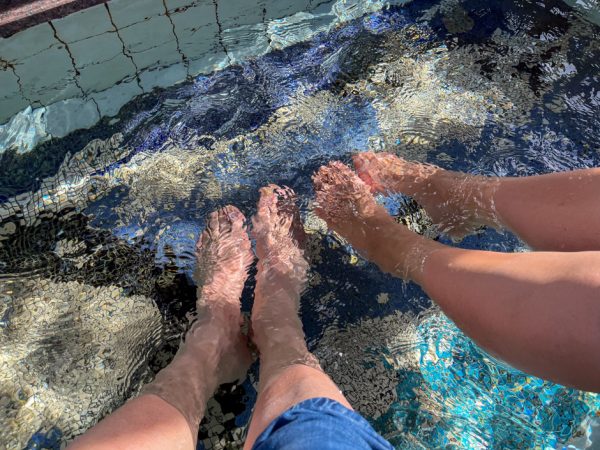
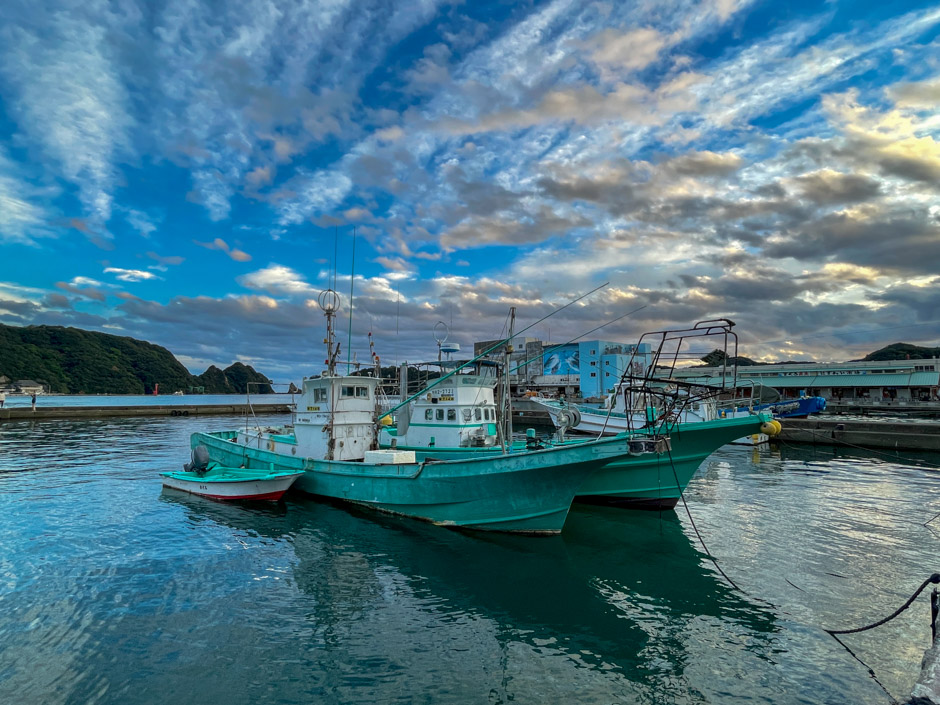
We relax and soak our weary feet in the public foot baths (ashiyu) at the water’s edge and admire the pretty boats in the Harbour
(As would be expected, you wash your feet in a designated area before entering the main foot bath)
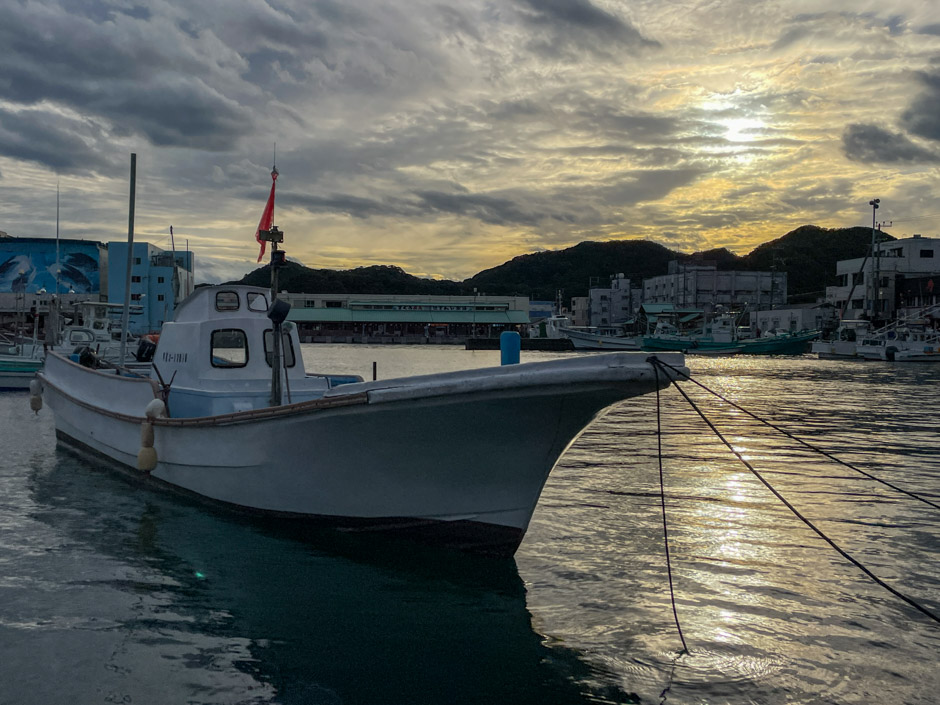
As the sun starts setting we wander around the port, drinking in the sites, sounds and smells of this delightful port.
That night Nora Pizza and Bodai are fully booked and there is not much selection of restaurants open (one of the disadvantages of travelling in the off season). We find a Chinese – no queues, quick service. We have Gyozas , stir fry and beer. Delicious.
We get up early as we have a 7:16 train to catch and we want to see the prep for the tuna auction. We dash down to the market to see the tuna boats coming in. It is unbelievable the amount of fish that are laid out, and as wander around more trawlers are lining up to off load. And this happens every day!
Every morning, freshly caught fish are tagged and lined up on the concrete floor of the market and auctioned off at 7 am sharp until all the merchandise is sold.
The tuna sold at the Kii-Katsuura market is strictly controlled: age and weight are fixed. Net fishing is prohibited, only line fishing is authorized and regulated: fishermen must not stay at sea for more than two weeks and must not fish more than 15 tonnes at a time. The tuna is then kept in saltwater at a temperature of 1°C before being brought to market.
The Kii-Katsuura port boasts the largest tuna catch in Japan. There are several reasons for this. The port is close to the Kuroshio ocean current. Because the port is deep and can easily accommodate the larger boats needed for tuna fishing, Kii-Katsuura is only one of two ports in Japan that receive tuna all-year. And because the Kii-Katsuura fish market made the decision they were going to specialize in tuna,
Katsuura Port tuna is caught by longline fishing method, which was developed in Japan in the mid-18th century. Branch ropes with hooks are suspended at approximately 45-meter intervals along the base trunk rope, with floats attached to keep them from sinking. The branch ropes are 30 meters long each, allowing tuna to be caught individually with minimal damage and stress inflicted. Unlike fishing nets, which collect many varieties of fish including fingerlings, this method allows solely for mature fish to be caught, ensuring ecological balance. Unlike many other big-scale markets, the tuna is sold fresh instead of frozen.
We make the 7:16 local train just in time. It winds along the coast via Kii-Tanabe and Wakayama to Osaka where we catch the bullet train to Hiroshima. Wakayama Prefecture and The Kumano Trail has been a delightful experience, one we will remember for a long time.