
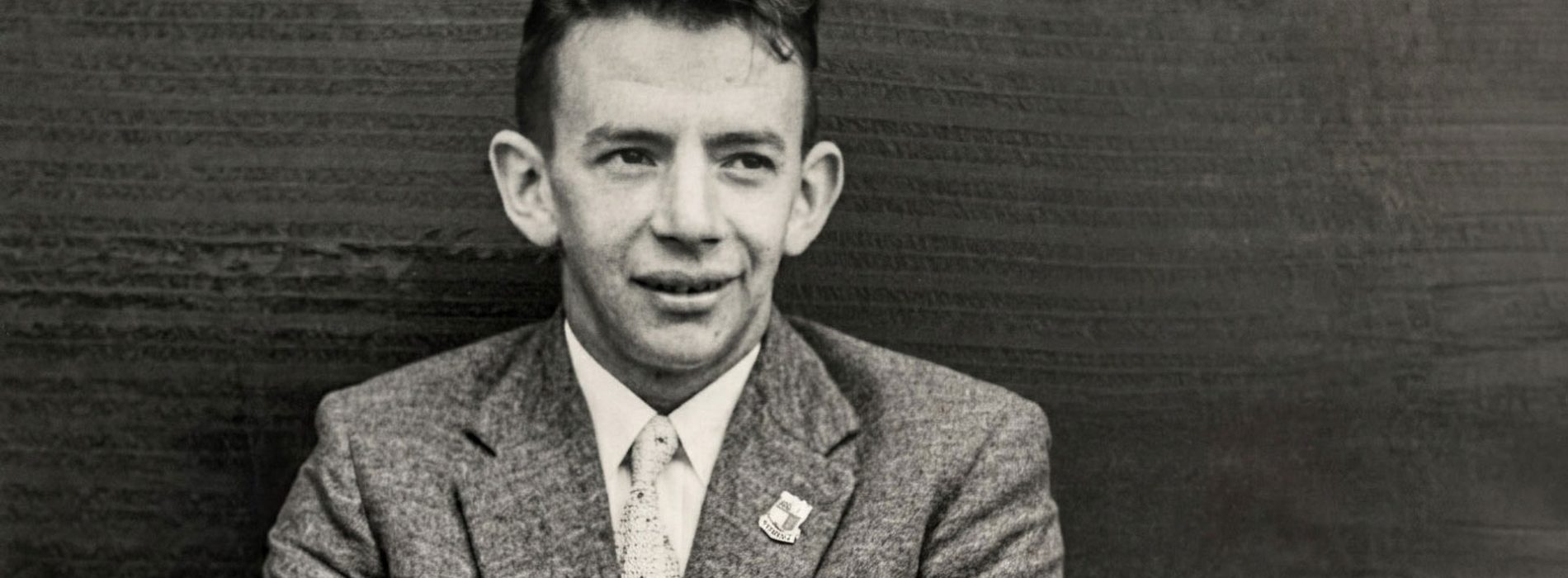
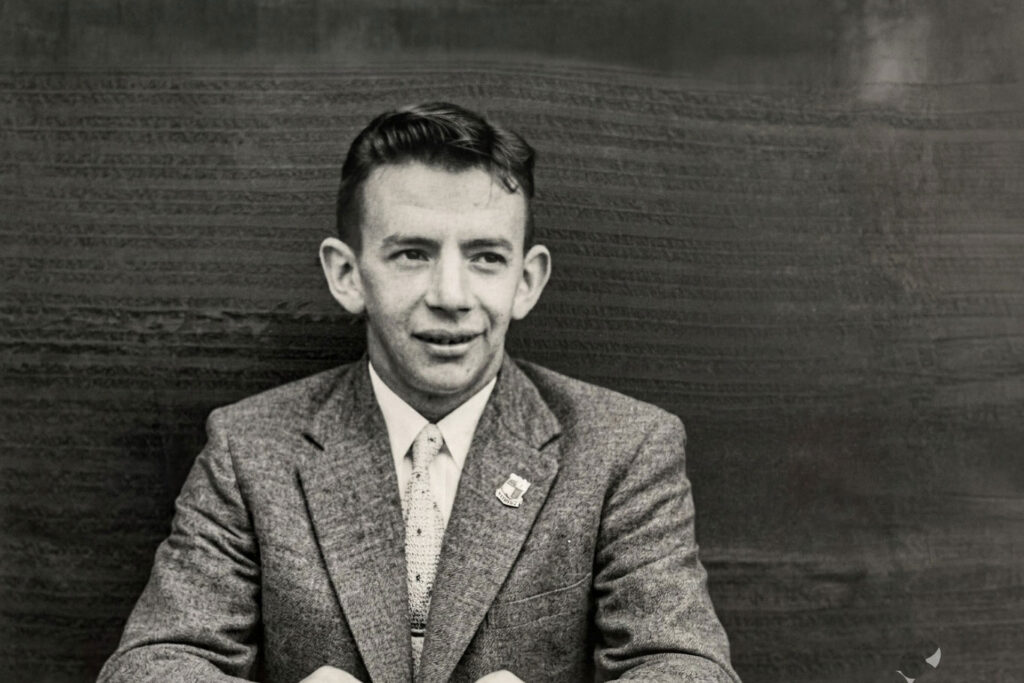
Having been promoted to Head of Department of the Primary School, sent me in a new direction the significance of which I did not fully comprehend at the time.
Fulfilling the role of woodwork teacher in the same school where I was also a high school teacher provided me with an easier adjustment to my new role. I already had a fair knowledge of the Primary staff and they knew me too. Taking accountability for the smooth functioning of the junior school was therefore something I eased into, so to speak.
What was more of a change was that I had become the Grade 7 class teacher. Classes were large with between 40 and 45 pupils at that time. But now I had to become more actively involved with study and learning methods applicable to the primary department.
Overall activities such as sport and cadets continued as usual. I added house competitions by dividing the school into Protea – The national flower of South Africa and Erica -The national flower of the Western Province. They competed in two extra events such as Cross-country races and swimming.
Phyllis was pregnant again and we had to go through a period of care during which she did not do any heavy lifting or unusual exertion activities. Dr Fourie again booked Vincent Palotti in Pinelands for the birth. Happily, we were able to add Michael Andre Price to our family on the 31st August 1970 in what was a normal birth. We were delighted. Nikki had someone to fuss over and Colin, a little brother.
On my second visit to the hospital, I found Phyllis alone without the baby. She was feeling sad expression and explained that Michael had been diagnosed with jaundice, which is not a disease but a health condition where the liver is still maturing and causes the body and eyes to turn a yellowish shade. She explained that he was in isolation but that we could go and see him. We found him in an incubator under a strong light with a blindfold covering his eyes. We established from the doctor that the strong light therapy was a fairly new treatment for jaundiced babies.

His blindfold was to protect his eyes from the strong light. He had both hands in what looked like boxing gloves to prevent him from removing the blindfold when he touched his eyes. Despite our concern, it was fairly amusing to see him lying on his back topless, swinging his punches like a boxer preparing for a fight. We could not help smiling for a bit.
Michael was held in isolation for three days before going back to his mom and they were only allowed to go home once Dr Fourie was happy with the progress of both mom and son. Nikki was now 7, and Colin 2 years old. We were happily on the way to achieve the large family we had in mind when we got married. Sadly, Phyllis had yet another miscarriage. Dr Fourie suggested that it might be nature’s way of telling us to let it go. The lost child would have been a boy, we were told. We decided to take it as our signal not to have more children.
As my practical experience in mainstream education improved, I dealt with children whose cases were brought to my attention. Generally these kids, in spite of having a normal intelligence, were not able to cope with their work and were falling behind other class mates.
I found myself thinking that one day some these children might come to me and say, “You knew that I was falling behind at the time, what did you do about it?” I felt that I would have to plead guilty because I did not know. This was the start of me beginning to comb through education literature for an answer. I wanted to be able to help these children.
My research revealed that London University offered a course dealing with Minimal Brain Dysfunction (MBD). I discussed it with Phyllis and decided to apply for entrance to this course. However, around this time I discovered that Stellenbosch University had begun to offer a similar course called the Clinical Remedial Education diploma. Stellenbosch is roughly an hour’s drive from Simon’s Town. I applied and was accepted to do the course in 1974.
This decision created a number of challenges in that as Head of the Primary School and Vice Principal of the entire school, I had to obtain a leave of absence from my teaching post and find someone to take over the teaching of my Grade 7 class. Approval was obtained and eventually everything was in place so that I could start my course the following year. I was allocated to house “Hombre” where there were mainly students of religious studies. I was offered my own private accommodation by a Hombre supervisor and only had some meals at the hostel. On weekends I would return home and then take the train back on a Monday morning.
The senior courses started weeks before varsity was actually opened and our first visit was to children with Autism which was receiving much attention at that time. Once varsity opened, scholars from neighbouring schools with disabilities would receive therapy at our educational centre. I was the only student who after standard lectures, treated children with serious learning disabilities together with our lecturers.
I have a strong memory of an autistic pupil that I treated who used to carry around a cup and spoon, rattling it so that you could hear him approaching as he entered the building. Should you be standing in the doorway of a room he would crash right into you. One evening at supper time, he told his parents, “Mr Meyer is giving a lecture now.“ He also named the place where the lecture was taking place. When they asked him how he knew he said that he heard me make the arrangements some three weeks earlier. It gave me insight into how you couldn’t assume an autistic child was unaware or disengaged.
Our course included sessions at the Schools for the Blind and the Deaf in Worcester and for Cerebral Palsyamongst others. Main subjects in the curriculum included the following;
Clinical Remedial Reading instruction. Spelling tuition. Mathematics.
Practical Clinical Remedial Education.
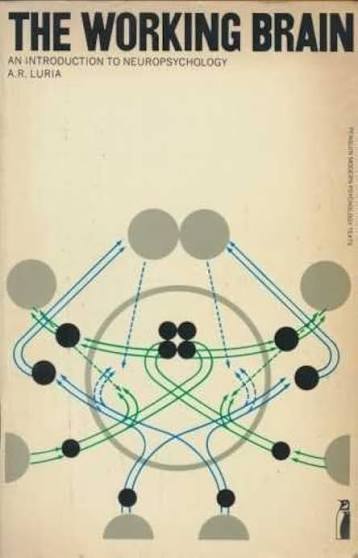
What most Afrikaans students found difficult was Neuropsychology especially The Working Brain by the Russian psychologist AR Luria.
I managed to negotiate getting my assignments typed done in exchange for translating their Afrikaans work into English.
The Disorganised Personality by Kisker provided a comprehensive guideline to the stages a learning disabled child may be dealing with. We were fortunate to spend time with visiting international professors and experts who shared their expertise with us.
In the afternoons after lectures, I worked closely with the lecturers doing remedial teaching for learning disabled students. Somehow, I was the only student that asked to do this.
At this time it was suggested to me that I should spend two years gaining practical experience in the remedial field and that I could gain a lectorate at Stellenbosch thereafter.
About a week later I was offered a School Psychologist post in Bloemfontein, the Capital of the Orange Free State Province. It would appear that I was head-hunted by them on the advice of the university.

Phyllis had to agree before I would accept. Whilst it would be a wonderful opportunity for me, Phyllis was a stay at home mom, with Nikki at school and two little boys to look after. Yet we agreed that it could also be a wonderful experience to go away for a few years with a view to returning to our house and home.
But first there was a week-long Remedial Education Conference that was to be held in Durban, the capital city of Natal province. I would lead a Kombi full of my class mates and end the academic year on a high note. Luckily two of the men in the group loved driving so we were able to share the 18 hour and 1636 km journey.
One evening a few of us were relaxing in a pub at the hotel when I found myself chatting to a staff member of the Bloemfontein Child Guidance clinic. I did not like what he told me about how they ran the establishment. When he heard that I was appointed there he strongly advised me not to accept it.
Later that evening I met Psychological inspector Mr Jan Horn, an old Matie from Stellenbosch, and told him that I possibly had made a mistake in accepting the Bloemfontein post. He told me that he had a vacancy in the city of Welkom area. I immediately asked him to arrange for a change of posts from Bloemfontein to the Welkom clinic. He agreed to do it.
Arriving home, I had to break the news to Phyllis that we were not going to Bloemfontein any more but to Welkom, the brand new “City of Gold.”
