
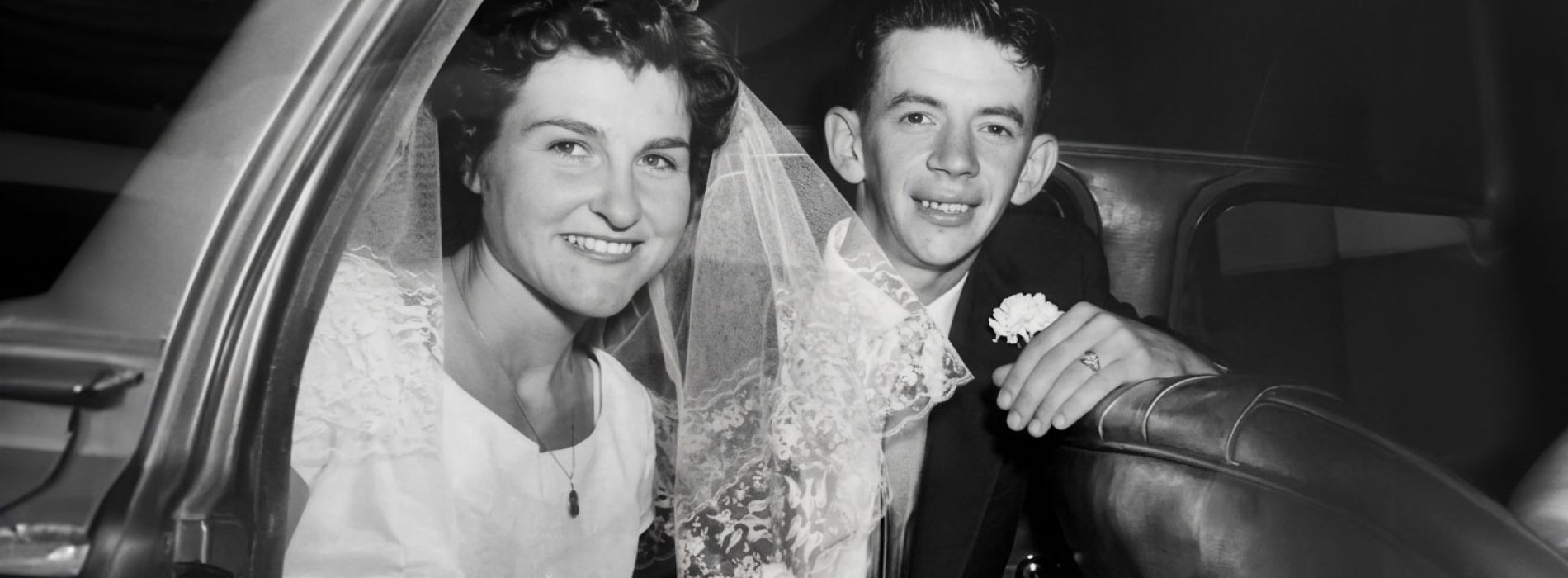
Our journey started in 1958 at the Simon’s Town school where we were both teachers but had not yet been formally introduced to each other. Then a school inspection changed everything. Unknowingly, we both had remained after school to make sure that we were well prepared for our inspections the next day.
Satisfied that everything was in order, I locked my classroom and took the shortcut down the school steps passing the junior school classrooms. As I passed them I noticed a window of one classroom completely open. Moving closer I saw the top half of a teacher sitting behind her desk doing some work.
“Don’t you have a home to go to?” I asked in a loud voice. When she looked up I realised it was the Miss Price who had gone to teach in England and whose house had burnt down, having subsequently returned to help and support her mother. She came to the window looking down at me. I apologised for disturbing her and introduced myself.
We both started sharing a bit about our respective worlds. How we got our jobs, where we studied and lived etc. It was as if we had been two friends meeting again after a time apart. I apologised for stopping her from finishing her work and wanted to know if she would like to accompany me to the local cinema that evening. She agreed. However, as I did not have transport to fetch her, she said she would take the bus and I should wait for her on the pavement in front of the cinema.
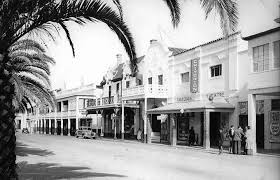
That evening I watched each bus with rapt attention to see if she would actually arrive, but she was on time! We both enjoyed the fliek and I walked her home talking and laughing together, the whole way. I have no idea of the film’s name or what it was about. Here was someone I was instantly attracted to and did not have any hangups. Someone I would like to get to know better.
That is how our journey started!
South Africa was still a member of the Commonwealth when we met. The Royal Navy had near total control and ownership of the Simon’s Town Naval base because they had developed extensive dockyard facilities and infrastructure. At time of war they would take complete control of the area under the RN admiral.
Entry to Simon’s Town was strictly controlled. No wonder that Phyllis told me that she thought they owned Windmill beach near their home when she was little. Outsiders could simply not drive or enter by train to go swimming on any of the beaches in Simon’s Town.

There were usually a number of ships in the bay waiting for repairs, or to deliver equipment and always plenty of sailors could be encountered on the streets. Sailors coming ashore usually made a beeline for the pubs. I counted 11 at the time, all within a mile, and the hotels would arrange activities for them; for example, a snooker league was formed. I played snooker for the British Hotel. The shore patrol consisted of groups of four, who would take quick control of sailors who may cause trouble.
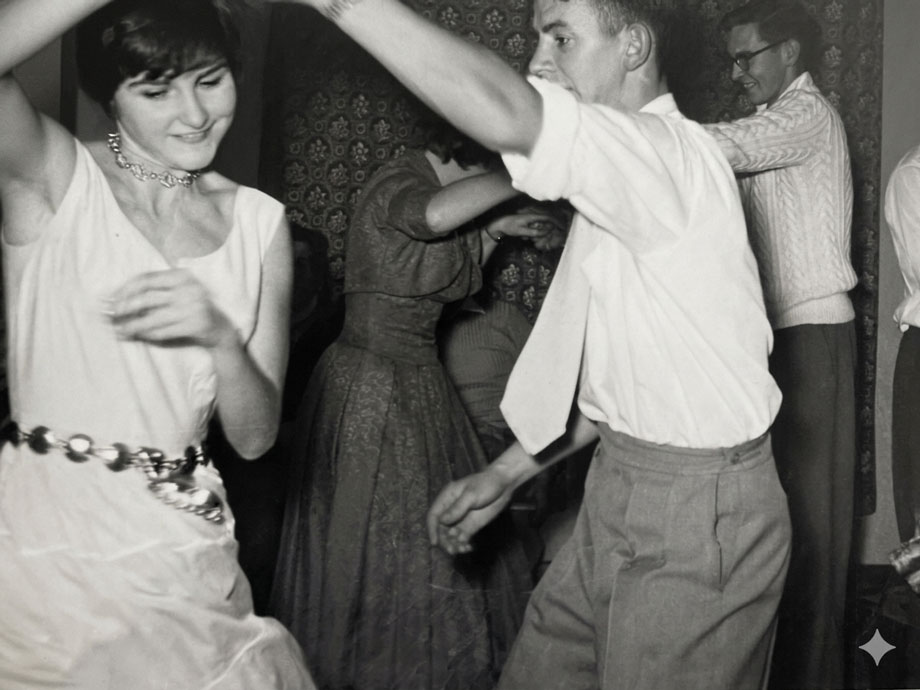
For entertainment there were many dances held in the Town Hall on weekend evenings. Bebop was the craze then and Phyl and I were there as often as possible. Joan and Niek de Beer, her boyfriend, would frequently join us. Dancing with Joan was an experience because you never knew when she would disappear onto the floor doing the splits with gymnastic skill.
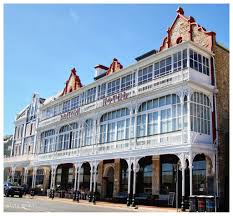
Ship’s dances were held at the posh Rhodesia-by-the-Sea and tickets were much sought after. Luckily George Flight, a close friend of Phyllis’s mom, was able to get us tickets for many of them. Dress code for sailors meant bow ties and medals and was meant for the captain and senior officers.
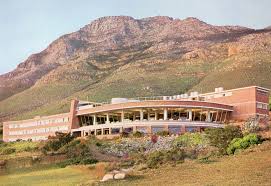

My friend Henk, with whom I often played bridge at the Van der Keyl’s, was the manager of Rhodesia-by-the-Sea, and he offered Phyl’s mother and Joan free accommodation while their house was being rebuilt after the fire.
The Van der Keyl’s decided to end their management of the Seaforth Guest House and moved to the top floor of a building one street away. They invited me to move with them and gave me a large room to myself and I was now able to have Phyllis visit me there.
My first visit to meet her mother at Beausoleil (their newly rebuilt house) her mom met me at the door and promptly asked me to co-sign her will, which I gladly did. We had a very pleasant afternoon but I could sense that she would probably prefer a French boyfriend for Phyllis because of the language problems she personally was experiencing in South Africa.
Going home on my next school holiday it was hard to leave Phyllis behind though I left her with my new portable radio that “weighed a ton” then. She wrote me a letter to thank me for leaving the radio with her and how she could now listen to the popular music from Lorenzo Marks, all while cuddling “Ted.” I had bought her a teddy bear before I left and she called it “Ted.” Now I knew why she sometimes called me “Ted”. She ended her letter with, “Love.” As for my mother, she was very happy to see me but not so much for the record player that I acquired and the repeated playing of “Jailhouse Rock” and other favourite Elvis songs from the talented singer who had also become my ‘King’.
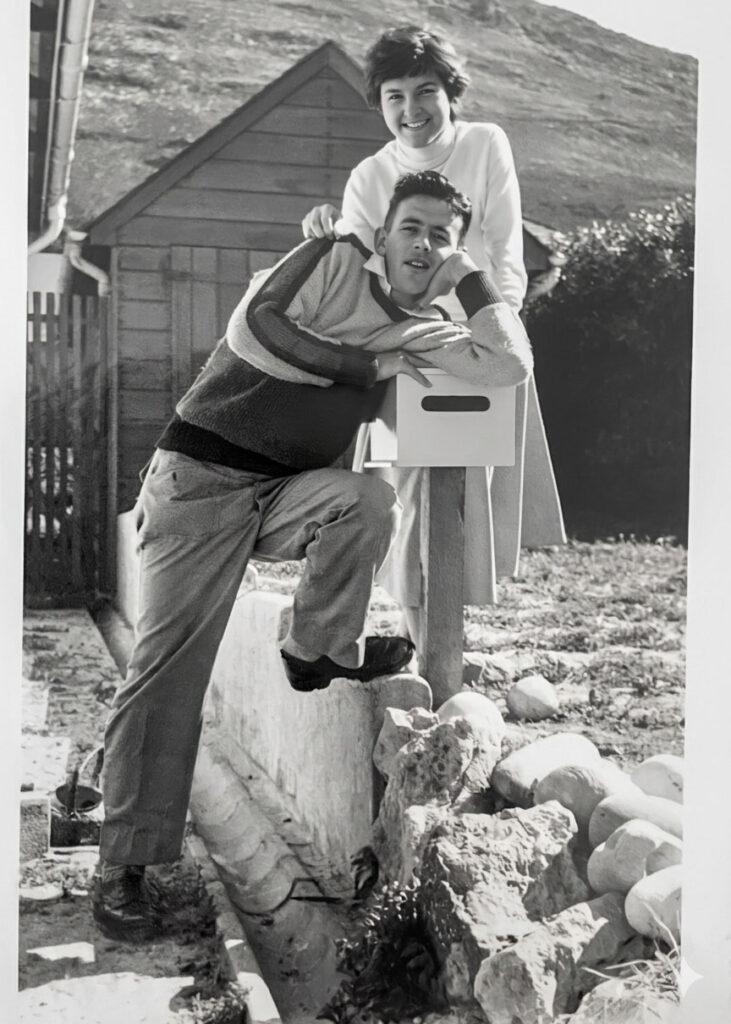
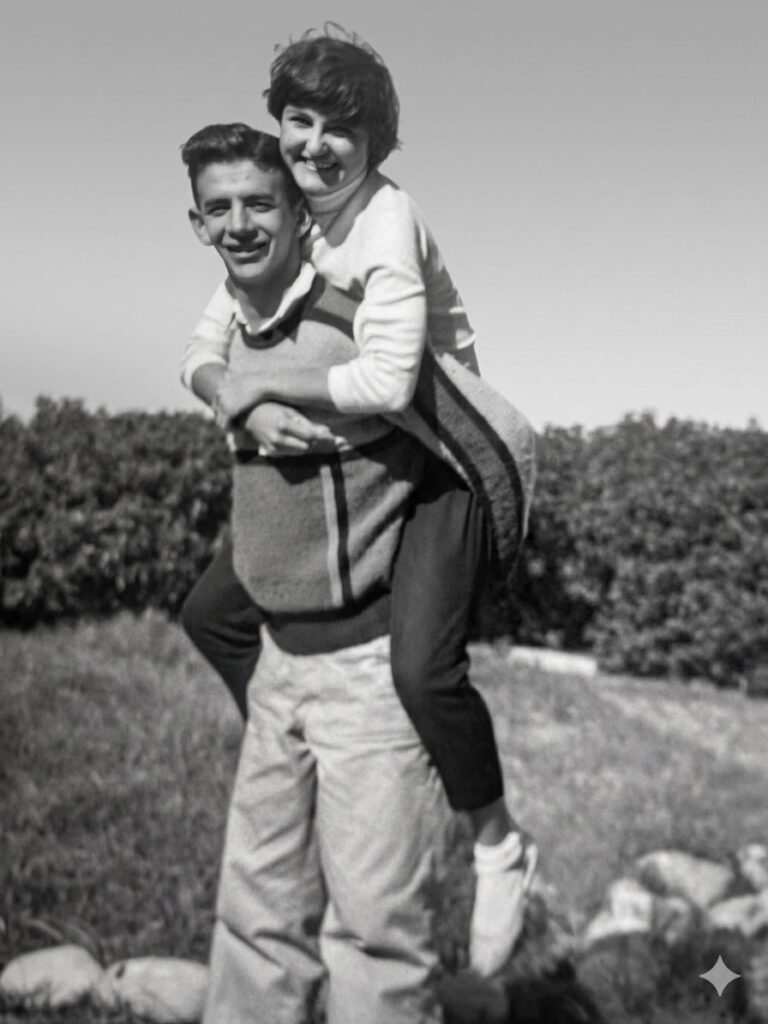
Having taken ownership of my father’s car, now meant that we could go visiting different places and I could take her home to meet my mother. Although the visits were not long it gave her an opportunity to meet different family members and see places near Riversdale where I had spent time.
As time went on, our lives seem to begin to focus more on activities that included the two of us more and more.
Arriving home one night I told Frank, a fellow boarder, that “I was in trouble.” He asked “Why?”
I explained: “Any girl that willingly puts up with me for three months, I have to marry!”
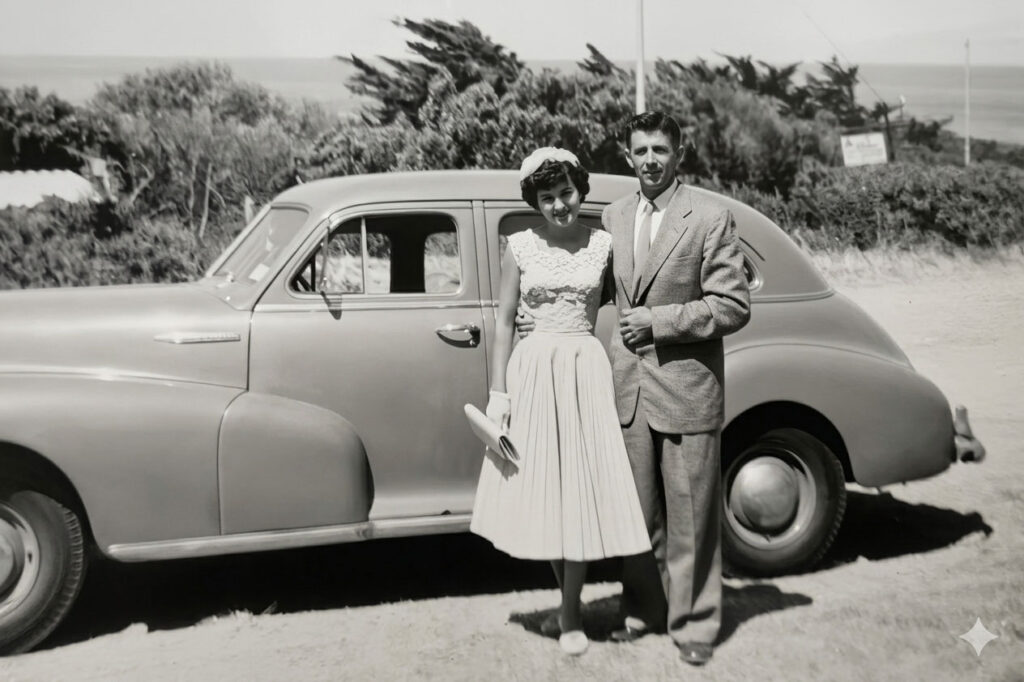
So on the 26th September 1958 I proposed and she said, “YES.”
Only people to whom it has happened will know that feeling of happiness that takes over your life until you realise what responsibilities you have taken on for the rest of your whole life. I needed to know if she wanted to have children and again it was, “Yes, many” was the answer. Due to the fact that I still had study debt to pay back and we wanted a home of our own we agreed that the first child would have to wait for four years.
The fact that I was not a Catholic, like her, was the first hurdle I had to overcome. I made an appointment with Father Seba, the local parish priest, to discuss issues that I did not fully understand such as their devotion to Mary, the Saints and the poliferation of statues. He was very accommodating and arranged for us to meet every Wednesday evening at eight.
In 1950 Father Seba was appointed as Parish Priest of Sts Simon and Jude in Simon’s Town as well as Chaplain to the Royal Navy and later the South African Navy. While in Simon’s Town he witnessed the transfer of the Naval Base from British to South African Naval Command. During the time of forced removals under the Group Areas Act he appeared before the Group Areas Board testifying against forced removals in Simon’s Town receiving a letter of appreciation from the Chairperson of the Simon’s Town Group Areas Liaison Committee for his efforts.
In 1992 he was made a Prelate of Honour and added the title Monsignor to his name, recognition by the Church of his long years of faithful service.
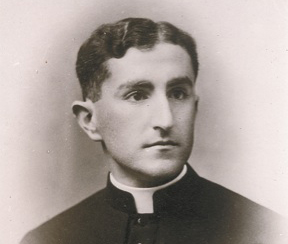
I began the first session by explaining how my grandfather conducted his after dinner scripture reading and how the non-white workers were included and how my father followed a similar pattern and how I went to Sunday school and did not miss a class. I had become disillusioned with religious teachings especially when race was brought into it.
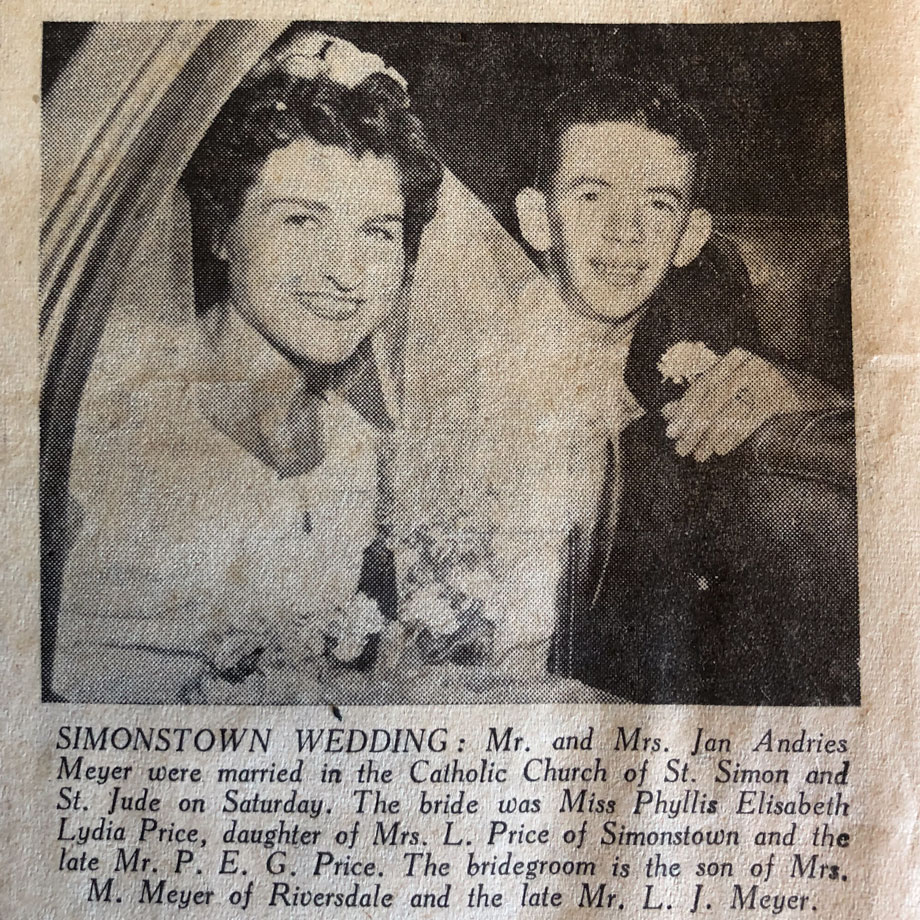
Father Seba seem to enjoy debating religious customs with me and said that he looked forward to our meetings. He arranged a course in theology for me that helped me to became a convert and adopt Saint Nicholas’ name as one who loved children and helped those in need. Our wedding date was set for Saturday 20 December 1958 at St Simon and Jude Catholic church in Simon’s Town.

With only three months to go were are a myriad of things that had to be done. Luckily Phyllis is a very level headed person and frugal at that. She was always looking for the best and shortest way of achieving things. She was a school teacher after all. She was going to make her own dress, her design and choice of material and knew where to get it and where help could be obtained for the various demands of arranging a wedding.
Suddenly, short term issues like the reception, photographer, rings and transport popped up, but what started giving me sleepless nights is that I still had no idea of what or where we are going to celebrate our honeymoon. Not overseas because at that stage I could not afford it and it was not something that you really want to discuss with other people, or family.
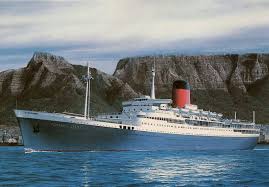
Then, by chance, I saw a newspaper article announcing that the newly built RMS Pendennis Castle had been launched and was going to South Africa on her maiden voyage. As luck would have it, it would arrive in Cape Town just four days after our wedding and travel on to Durban. On the way she would be visiting all the ports and would meet with all the mayors of each town for celebrations.
I quickly applied for a return berth from Cape Town to Durban. Within days I had a cabin confirmed and the big secret was mine to keep. But we now still needed a place to stay until the honeymoon and more importantly, once we returned to Cape Town.
It was sometime in October that I had a chance meeting with someone I knew staying at the Seaforth Guest House. She asked how our arrangements were progressing and I told her that we needed accommodation for a short period before moving elsewhere. She then told me that she and her husband had separated and their flat was available for renting. I clinched the deal and she was very happy for us to use their flat.
Next time I saw Phyllis I told her the good news and a few evenings later we went looking for Flat 1-14, Second Crescent Fish Hoek. I still did not have the keys but we just wanted to see where it was. Although the curtains were drawn, Phyllis was able to peep through an opening and saw that the flat was completely empty. The husband, without telling his wife, had removed all the furniture. The only place to sit were the windowsills!
I sprang into action, bought a bed and starting making chairs, an ironing board and other necessities. The benefits of being a woodwork teacher!
