
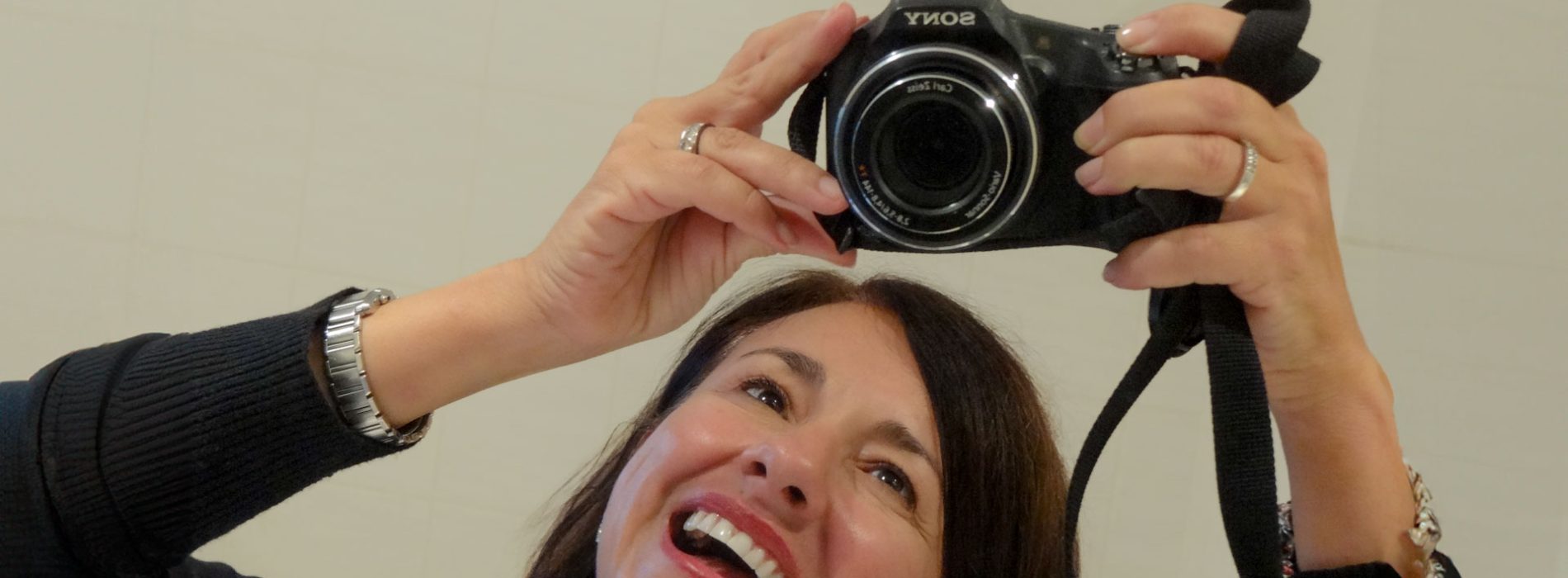
I hate alarm clocks.
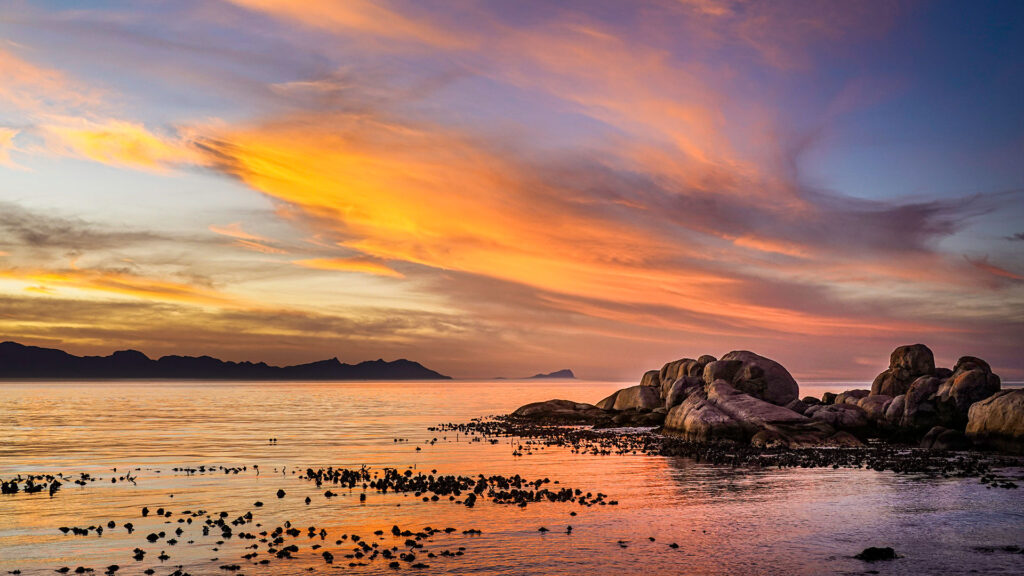
It’s pitch-black outside, but I know in half an hour the first light will begin to glow, turning the night sky from navy to cobalt, followed swiftly by the first rays of gold.
I scan the sky for clouds. Yes! But perhaps too much cloud? Well, that’s usually better than no clouds at all.
By the time I’ve asked myself that question, I haven’t taken a single photograph. I haven’t even picked up my camera. And yet, if you asked me what the most important part of my process is, I’d tell you it’s about dragging my butt out of bed into a dark kitchen for a quick slurp of coffee and getting out there.
We talk about photography as if it lives in the ‘click’. Settings, gear, the decisive fraction of a second when the shutter opens and closes. But for those of us who don’t stage our images (who don’t build a set, arrange a subject, or create the perfect studio light) the click is almost an afterthought. It’s the last tiny gesture in a much longer act of paying attention.
I’d estimate that for every photograph I’m proud of, 95% of the work happened before I ever raised the camera to my eye.

The reading
Before the ‘click’, there’s reading. Reading the sky for what that cloud cover will do to the light in twenty minutes. Reading a street for where the shadows will fall once the sun clears that building. Reading an animal’s weight shift, a person’s glance toward someone just out of frame, the particular quality of quiet before something changes. None of this is technical. It’s closer to the way a sailor reads wind on water, or a farmer predicts weather based on the texture of the clouds: pattern recognition built from having been wrong enough times to start noticing.
The waiting
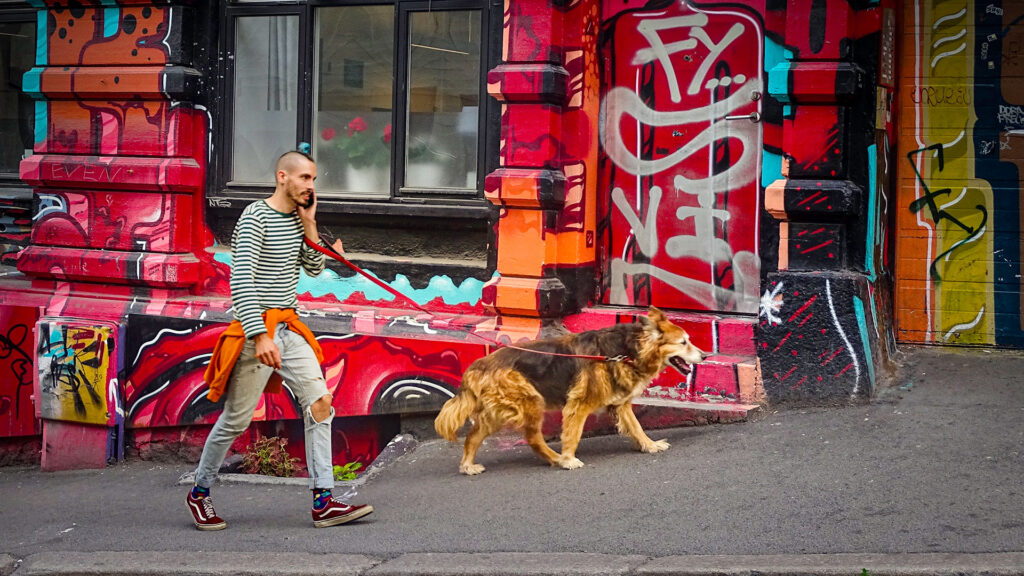
Then there’s waiting, which is not the same as standing still. Good waiting is active – a kind of coiled readiness. I’m not thinking about my settings anymore; I decided those already, half-consciously, based on the reading. I’m always ready to shoot. I’m watching for the thing I suspect is coming, without knowing exactly what it’ll look like when it arrives. This is the part that looks, to anyone watching, like nothing is happening. It’s actually the most important part of the whole exercise.
The positioning
Somewhere between the reading and the waiting, my feet are moving. I’m not waiting where I happen to be standing; I’m finding the place where the thing I’m anticipating will actually work; where the light will land, where the background won’t fight the subject, where I’ll have a clean line to whatever’s about to unfold. This, too, isn’t technical. It’s closer to instinct, or maybe just the accumulated memory of every time I didn’t move and regretted it.
And then, almost incidentally: the click
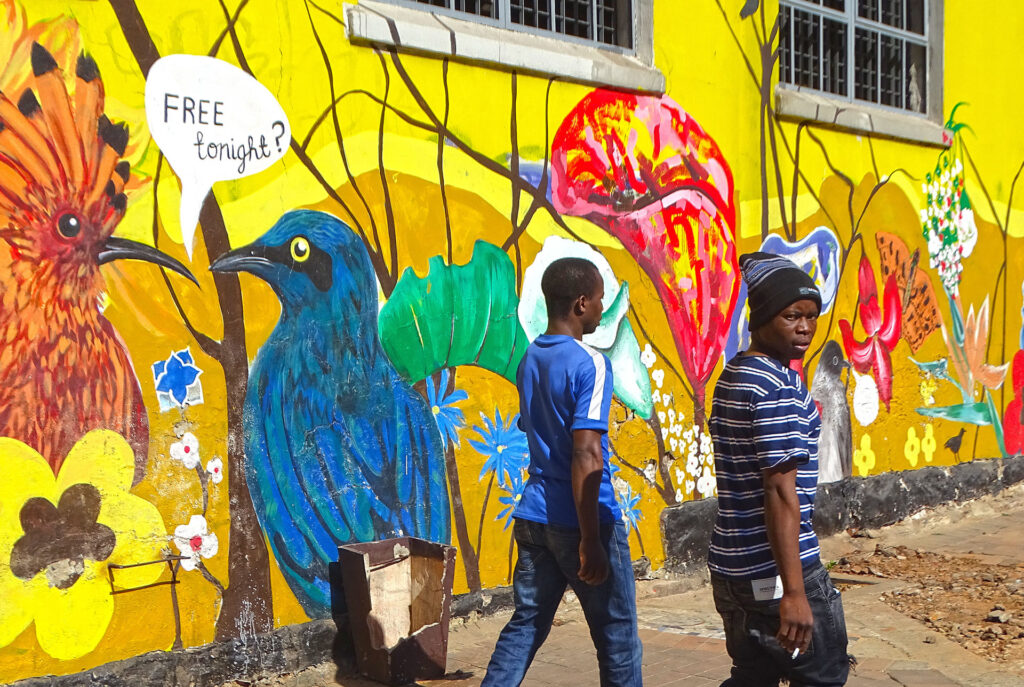
By the time my finger actually presses the shutter, the photograph is basically already decided. The click just makes it permanent. It’s the full stop at the end of a sentence I’ve been composing since I left the house in the dark.
I think this is why I’ve never been much good at, or interested in, controlled photography – still life, studio setups, elaborate post-processing. Those disciplines put the craft after the moment: you build the conditions, then capture them at your leisure, then perfect them on a screen. My favourite kind of photography puts almost all the craft before the moment, in noticing it in the first place. There’s no redo. You either saw it coming, or you didn’t.
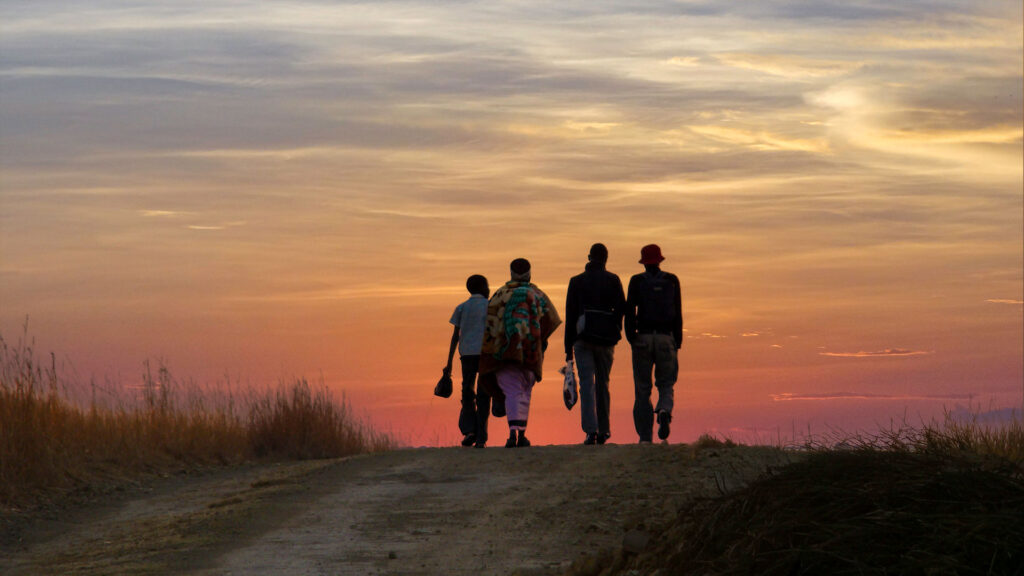
None of this requires better gear or more technical knowledge than the person next to you. In fact, my current camera (a Sony RX-100 VII) fits in my pocket and is a “point and shoot”. What is required is a kind of attention that, I’d argue, is trainable in exactly one way: by doing it (badly at first) over and over, until the reading and the waiting and the positioning stop feeling like effort and start feeling like instinct.
So, if one of my images ever looks like a lucky accident, it probably wasn’t. Not because I’m skilled, but because the moment had been five minutes, or five months, in the making before I touched the shutter. The click was just where the story happened to end.
