
It was indeed a happy return to the work I loved – and to find that the staff had missed me was a bonus.
Extra mural activities such as Hockey, Cricket and Athletics kept me busy for long hours after school. Phyllis paid attention to Nikki at home and as a teacher got her interested in books, toys and things to amuse herself.
St. Joseph’s Convent in Simon’s Town, not very far from our home needed a relief teacher and asked if Phyllis could fill a part-time post for six months. The question was what to do with Nikki? We discussed the matter and it was agreed that she could accompany Phyllis to school and that she would be kept at the back of the classroom with her own activities so as not to distract the pupils. Those were the days!
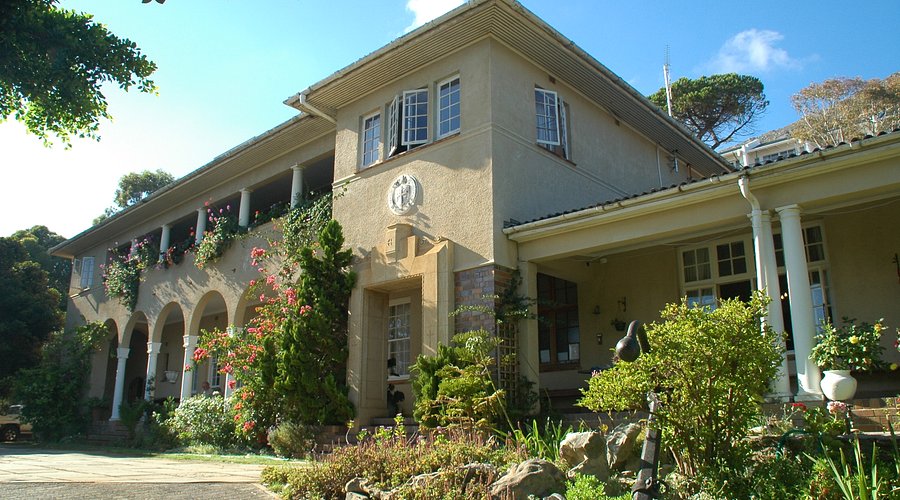
St Joseph’s Convent, more recently known as Topsail House, was originally constructed in the 1850s by Italian craftsmen. Over nearly two centuries, the property has transitioned through several significant roles, serving as a private residence, a religious educational facility, and most recently, a guest house and backpacker hostel. When it was a Convent, it served as a Catholic primary school. It included a quaint chapel, vestry, and classrooms.
School cadets were a key extra-mural for many years in South Africa but was mainly practised in English-speaking, elite schools such as Hilton and Grey Colleges. I remember doing drill exercises at Mossel Bay High School, where I wore a khaki uniform. While individual schools had had cadet units for decades, it was placed under the SA Defence force following regional conflicts such as the Soweto Uprising.
Suddenly Simon’s Town was given a Naval Cadet unit (No.1032) and I had the rank of Sub-Lieutenant because I was a university graduate. Most of the pupils’ fathers were serving sailors so they settled into naval drill routine quite easily. I of course had to get used to naval uniforms and customs and had to undergo military training which differs from that of the army. The front of the school provided a very nice parade ground where we could drill and also meet visiting Naval officers.

Once the naval uniforms were issued and the cadets got used to wearing them to school on cadet days, we were given firearms and I had to build a target practise for the senior Naval cadets to learn how to use these guns. I had to go to a military, rifle range for target practise and learn to shoot with Bren- and Sten guns.
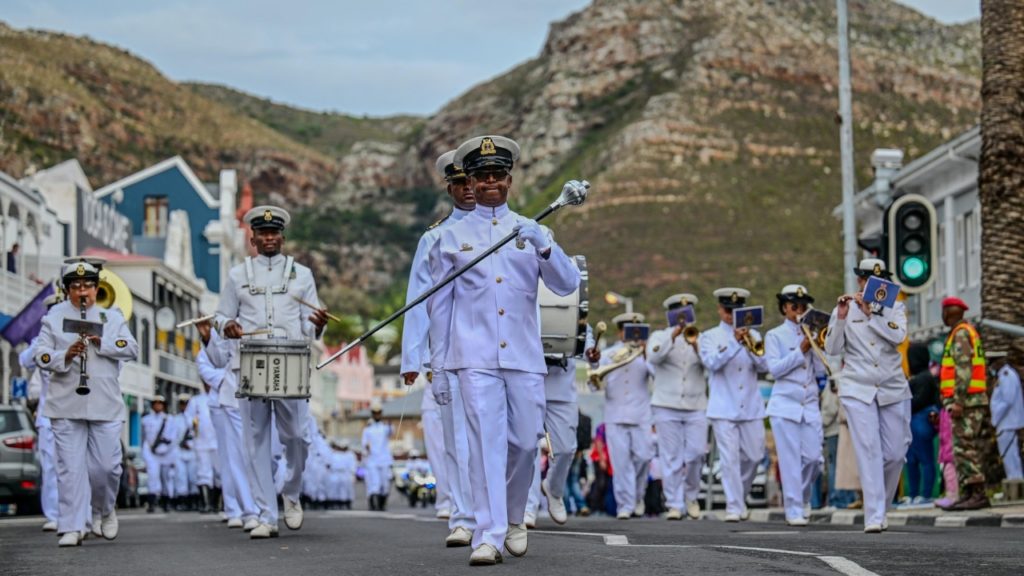
The father of one of the cadets was a member of the South Africa Naval band and suggested forming a cadet naval band and offered free coaching. We entered in the B-band competition and won first prize for 9 years consecutively.
SAS Unity is an Army Support Base in Cape Town where I had to learn Naval drill moves. With the “silent” navy footwork you do not stamp your feet and your hand faces inwards to your cap. These adjustments are important for operating on board a ship. The support base was also where we would join weekend camps with other Cape Town Naval cadet units.
Commander Philip Biermann, brother of Admiral H.H. Biermann, vice principal of Fish Hoek high school was most helpful in teaching me naval etiquette. Some examples that I recall are how to tie the naval bow tie and when in the evening to dress with a Cumberband. The Silent navy rules also prevailed at breakfast – no talking until the Captain starts speaking first. How long this would take would often depend on how the night before had gone.
I remember arriving on Robben Island for a week’s training with cadets. I had to first meet the captain. He told me that he had urgent business to attend to and that I must go and referee a soccer match that was waiting for him. I could not tell him that I did not know soccer rules or that I had never played soccer in my life. I started the match and quickly checked with other players during the match as to when a player was off-sides or when a penalty should be awarded. The final score was a draw, so both teams were happy.
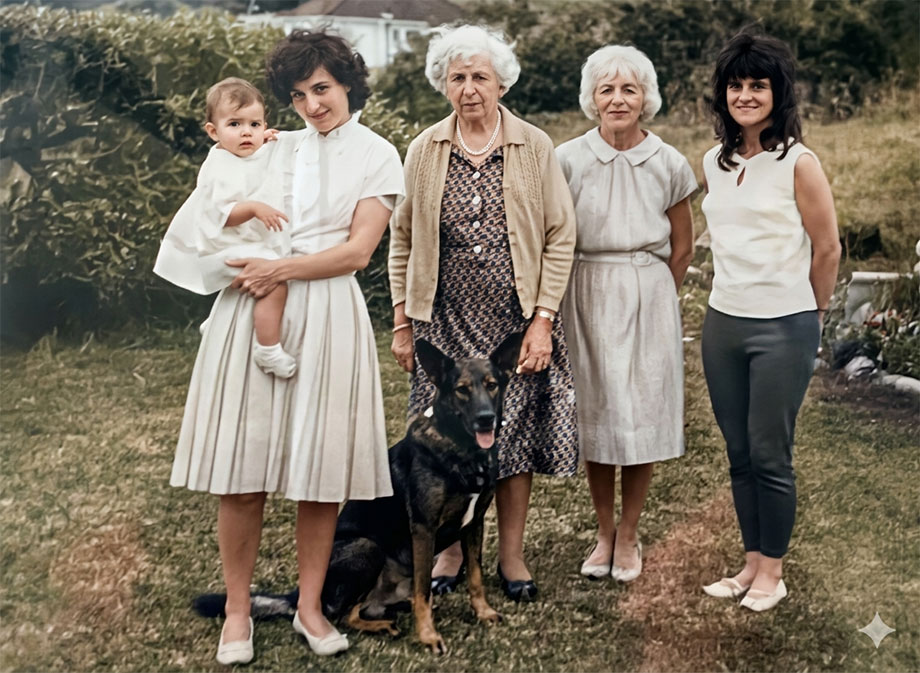
Back in Simon’s Town we got news that “Bambine” Phyllis’s French grand-mother, was taking up our offer and was going to visit us around November. This was also a great opportunity to see her daughters Lydia and Dédé, where they live and spend time with us and Nikki with whom she had developed a special relationship during our month with her in France.
I decided to check if Nikki still remembered any of the French granny Brondolo had taught her. I took a little cake fork and held it in front of her asked what it is called in French. She studied it and took some time before saying, “La troishette” with a big smile. I then realised that she remembered that a fork is a fourchette and because a cake fork only has three prongs she translated “fourchette” to “troichette.“ Very clever indeed! It required quite a degree of analytical thinking well beyond her age level.
Later, before school going age, I realised that I had to be more careful about what I said when Nikki was present. One day she came to me in the garage where I spent a lot of time. She showed me a little crucifix and said, “Look Daddy, baby Jesus all broken. Dammit!”
During the summer months we offered cricket as a main sport for boys. I coached the senior boys’ team and we spent a lot of weekends watching our Springbok team against the visiting England or Australian teams. The MCC cricket council then would send retired professional coaches from England to South Africa to assist us with coaching at schools.
I enrolled for the MCC Youth cricket coaching certificate. To pass, I had to write a test and then take some Rondebosch school boys and practically coach them a particular cricket stroke as instructed by the examiner. I was very proud of this qualification and also to be handed the certificate by the South African cricket captain at the time – Jackie McGlew.
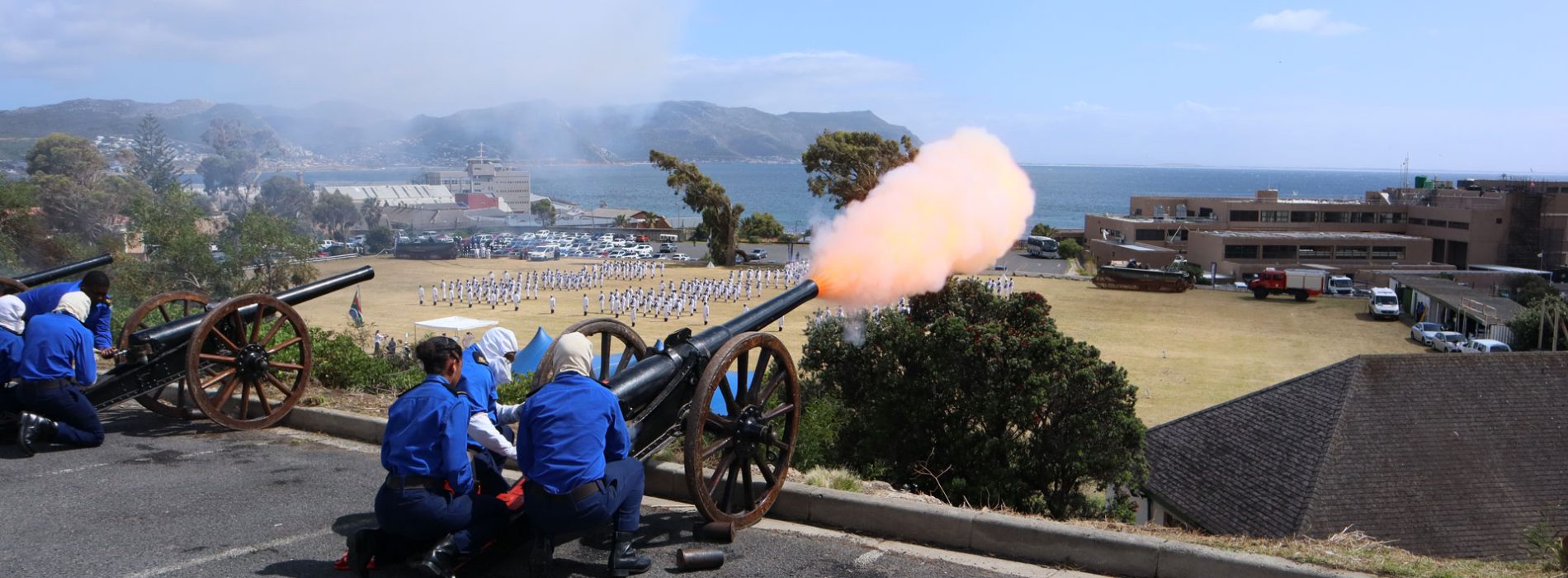
Every year Naval day is celebrated in Simon’s Town over a weekend in April when the South African Navy follow in the footprints left by the Royal Navy’s traditional ships with competitions and displays of how crews compete against each other “pulling” (rowing.) etc. The public is invited to visit the ships and watch gunfire from the inshore gun battery as well as some air displays.
This was all new to me and I used to watch the jet planes practise their air formations and “attack” on the harbour, followed by a display of blank fire in defence from the harbour as well as from the ships.
The school’s location was a perfect vantage point for children to look out of classroom windows when they heard the planes flying in formation over the bay or close to the school. Teachers had little chance of getting full attention when planes passed overhead. A trio of jets would finish their display by flying, in formation, towards the town and then up over the mountain that was often covered in a mist.

The plane practices usually stopped well before the actual Naval Day celebration so we thought nothing of the fact that the planes had stopped flying. Then one sad day a report reached the staffroom that one of the jets had crashed. However, there was no report in the news or newspapers or that anyone went searching for a wreck. It seemed as if it was being treated more like a routine car crash.
It was discussed in the staffroom, and it was decided that I should take a group of school prefects with me to go and investigate and search for a wreck. I led them up the mountain in the direction we had seen them fly. Our judgment as to the crash site was not far off and we soon found a plane wreck but without guards or police protecting the site.
There was a lone, rock outcrop on top of the mountain and sadly, had the pilot flown a little to the left or to the right, he would have missed it and would have survived. We were sad to see some human remains amongst the scattered items. We were not there for souvenirs, so I did not allow anything to be touched or taken. I asked the prefects to collect stones so that we could build a cairn close to the wreckage. We stood around it for a moment, offering silent prayers before we returned to school.
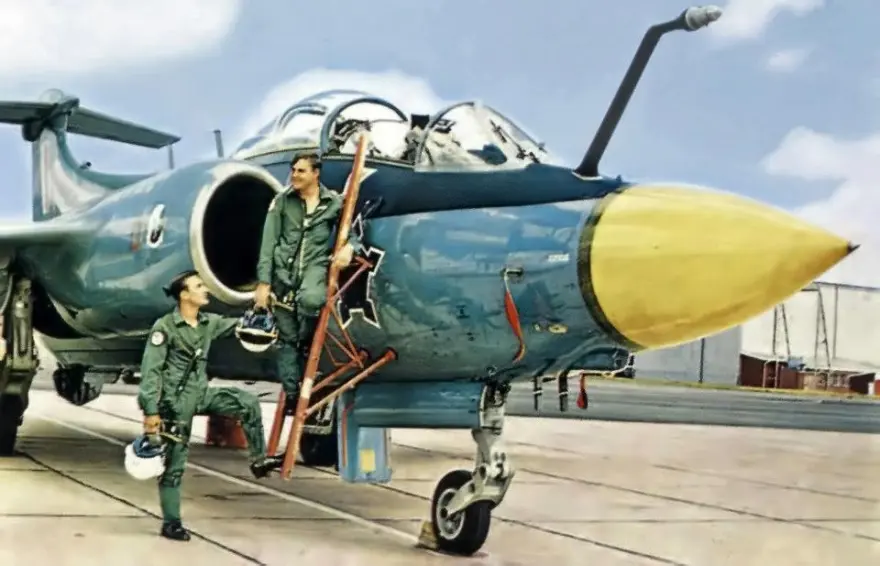
The next day a journalist from one of the local newspapers arrived at school and asked to interview me. A few days later a story appeared about the crash. Sometime later I received a letter from the pilot’s parents. They shared their dead son’s name and thanked me for what I had done to find and commemorate their boy. They lived in Durban and asked that if I ever came to their city they would be grateful for me to come and visit them and get to know each other.
