
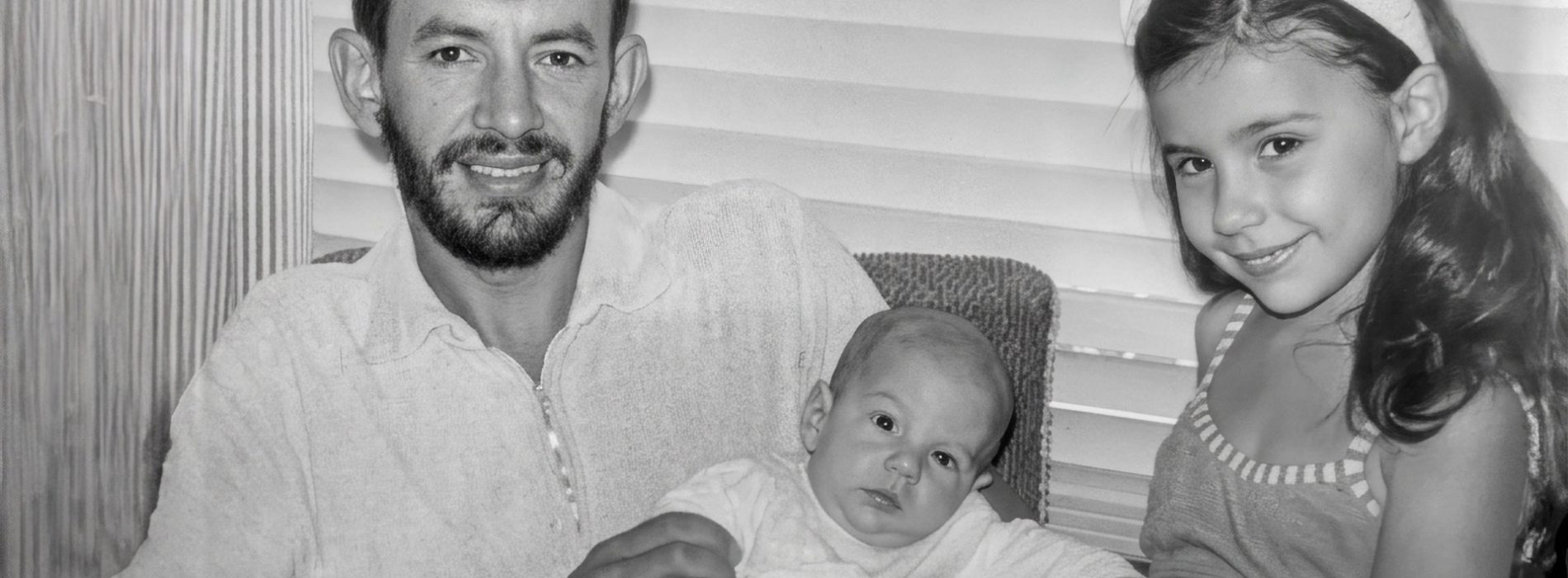
When I think back on the teachers who taught me, I have this picture of mature teachers who were experienced and respected by us all despite us relentlessly taking the mickey out of them, mostly not malicious, just testing them, seeing what we could get away with. Our parents deeply respected our teachers and encouraged the same attitude from us.
I found myself to be lucky to have been able to choose the school that I would teach at from the three on offer and also be involved in the design of a brand new woodwork block. I could arrange things the way I wanted as opposed to fitting into someone else’s workplace. That indeed was a great privilege.
The many extra mural activities that were on offer like cricket, hockey, rugby, athletics, and Naval Cadets, were also significant opportunities. Being able to aquire a Naval officer’s rank was something I could only have dreamt of. It also pushed me to new levels of experience and competence.
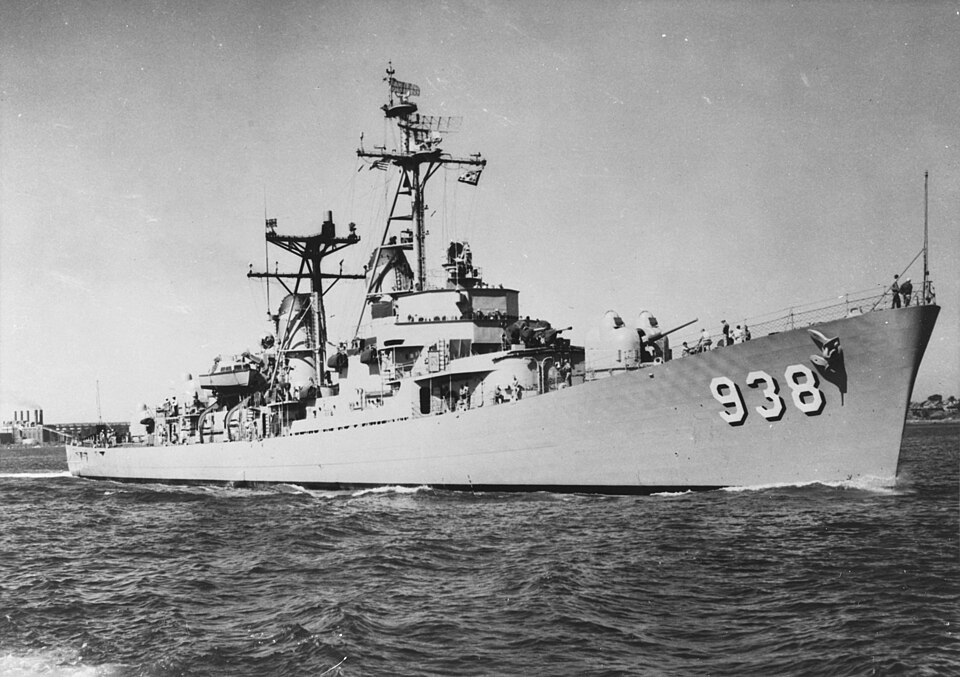
Living in a Naval base town meant that I had many opportunities to experience time at sea, and twice I was able to sail to Cape Town and back to Simon’s Town on war ships. I did courses at SAS Unitie, Robben Island and at the military academy training establishment at SAS Saldana. I got invitations to a US submarine and to go aboard the USS Jonas Ingram DD938 – a dock landing craft. It was one similar to what was used during the D Day landings.
On 28 February 1942, Field Marshal Jan Smuts laid the foundation stone of what was initially termed the South African Naval Training Base in Cape Town Harbour but the facility was later named HMSAS Unitie.
The building was designed by the Commanding Officer, Commander W. Copenhagen who insisted that the main hall was to be at least as large as the parade ground in the Castle where the unit had been based since 1922. However, as the measurements used in building SAS Unitie were in Cape Feet as opposed to English Feet, the main hall turned out to be much larger than the parade ground.
In 1948 the base was officially handed over to the South African Naval Reserve and SAS Unitie became the permanent home of the Cape Town Navy Citizen Force members until the Unit was decommissioned on 25 February 2005.
An experience I shall not forget is the occasion of one Saturday afternoon at SAS Unitie when I wanted to go sailing through the docks towards Robben Island. There was no experienced crew available, and I left with cadets that were eager to learn more about sailing.
As we passed Sea Point, I realised that a strong South Easterly wind had come up and made the call to return to ensure our safety. As we went about, the main sheets snapped, but I managed to get a hold of them. However, now we were drifting far too close to the rocks before beginning our beat against the wind on our backward journey. As the head wind increased so our progress slowed.
After a while, I noticed a light that was switched on at the bottom of Table Mountain. As the light became less murky, a tugboat approached us offering a tow. I turned it down knowing that accepting a line would be too expensive. As it was getting dark soon another tug came in close, again offering a tow, but this time I understood that it was an order from the Port Captain that I accept the line and return to base. The officers and men who received us in the docks did not have to say a word and the same silence was maintained at dinner.
Then the Port Captain phoned and Commander Philip Biermann, (brother of Admiral HH Biermann took the call). After accepting the explanation of the main sheets and the strong wind leading to the rescue, the Port Captain seemed comfortable enough to want to know why his son was not participating in the camp. Needless to say, his son joined the camp early the next morning.
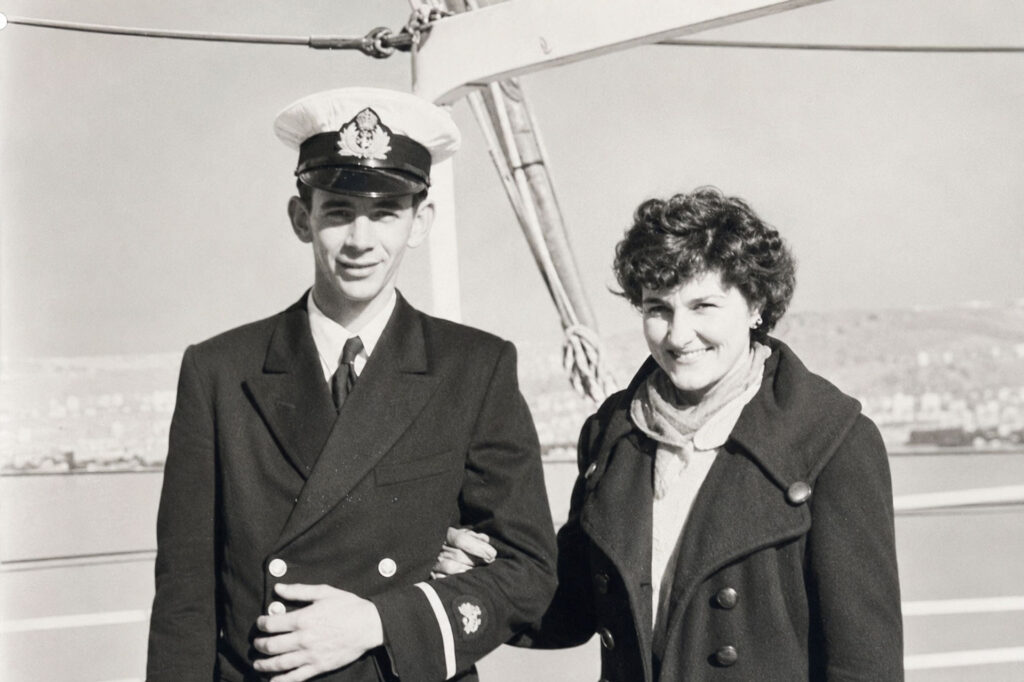
As the officer in command of a naval cadet unit I was also a sub-lieutenant in the naval reserves and seen wearing an officers uniform of that rank.
Unexpectedly I received a message from naval command In Cape Town that I had to pass a navigational test in order to become a full Lieutenant.
I had been reading ocean maps and doing navigational exercises in my spare time but did not nearly expect that I would have to pass a real test to get a second stripe. Although I was not sure of what it all included but decided that in the navy an order is an order so I had to go for it.
The exam was to be done on “SAS Oosterland” stationed in Cape Town. On arrival I was told that the ship was going up the West coast towards Dassen Island and as navigation officer I had to “fix” the ship’s position every 10 minutes on the journey.
The test was to pinpoint the ship’s exact position at 1300 hrs so that the captain, at that time, can report to Simon’s Town Naval headquarters the ship’s exact position allowing for influences such as the ocean current and the wind on the ship during the journey.
As we left Cape Town harbour the first few fixes were not very difficult because I could take my bearings from the Cable station on top of Table Mountain and the oil tanks in Milnerton and I was within my time allowed. However, as we moved further up the west coast it became more difficult to identify one sand dune from another or pinpoint it on the naval chart.
On one of my many trips to the deck with binoculars in hand I noticed that the radar desk was unattended and for the next few fixes I kept up with my time table. Then the captain came to see how I was doing and switched it off and said it was too easy using the radar.
Now it had me in a sweat but fortunately once we had Dassen island in sight I could get a few more fixes. We heaved to and a few of the sailors dropped some charges over board and after they exploded they collected the fish that started floating on the surface.
I did not get a report from the captain whether I was correct or not but a few weeks later I received notice of my promotion to the rank of full Lieutenant Meyer.
At home the cricket season was in full swing and I decided to build a cricket pitch on the school grounds so as not to always have to play away games. This led me to meetings with Springbok cricketer Eddie Barlow and some of the Western Province cricketers, as I learnt more about what makes a good cricket pitch.
At the end of the second school term, one of the junior schoolteachers came to my classroom after school. He wanted to say farewell because he was leaving the school. He said that he had accepted a Head of Department post at a school in Port Elizabeth and that it was a promotion post. I naturally wished him well.
It was the holidays and I had more on my mind because Phyllis was expecting again and knowing what happened the previous time when we lost a son, I had to make sure she did nothing strenuous. We had a quiet and happy holiday with Nikki and Killick until I had to go back to school and Phyllis stayed home.
Then one morning in the middle of the term, I got a message that I must rush home immediately because Phyllis was once again bleeding and I had to do what I could to help her. What a terrible message to get at this stage of our marriage.
After dashing home, I immediately phoned Dr. Fourie. He came that same afternoon and after he had examined her, he said that she had to remain in bed for the rest of the confinement – strictly, no walking about. He used to visit her at our home regularly and he would discuss his strategy. He explained that he had ordered medication from Germany that would be flown to Cape Town on a weekly basis and he was hopeful that that this drug might be the solution to a full-term pregnancy.
His plan seemed to be working, and we were hoping that the regular supply of medication from Germany would not be unnecessarily delayed. The hospital he chose was Vincent Pelotti in Pinelands. As the due date in November drew near, the more hopeful and confident we became. As the birth pains became more regular and contractions closer, Dr Fourie told us to go to the hospital which is about an hour’s drive from Simon’s Town.
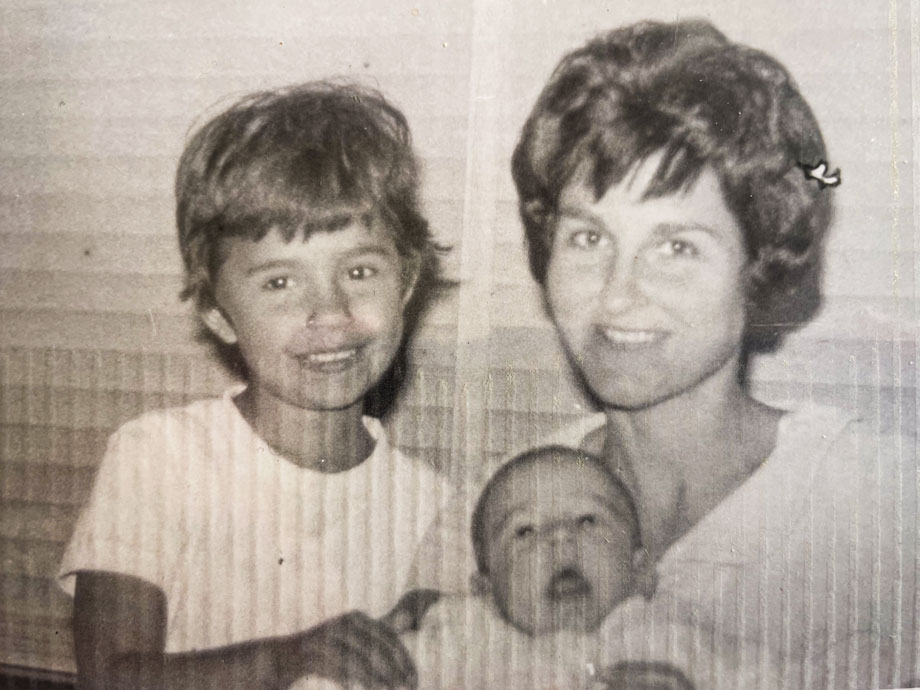
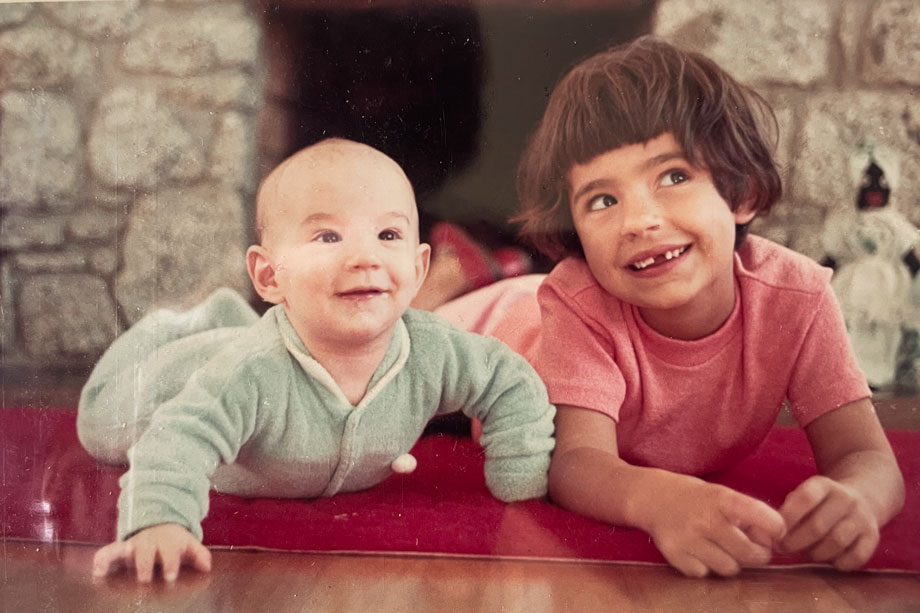
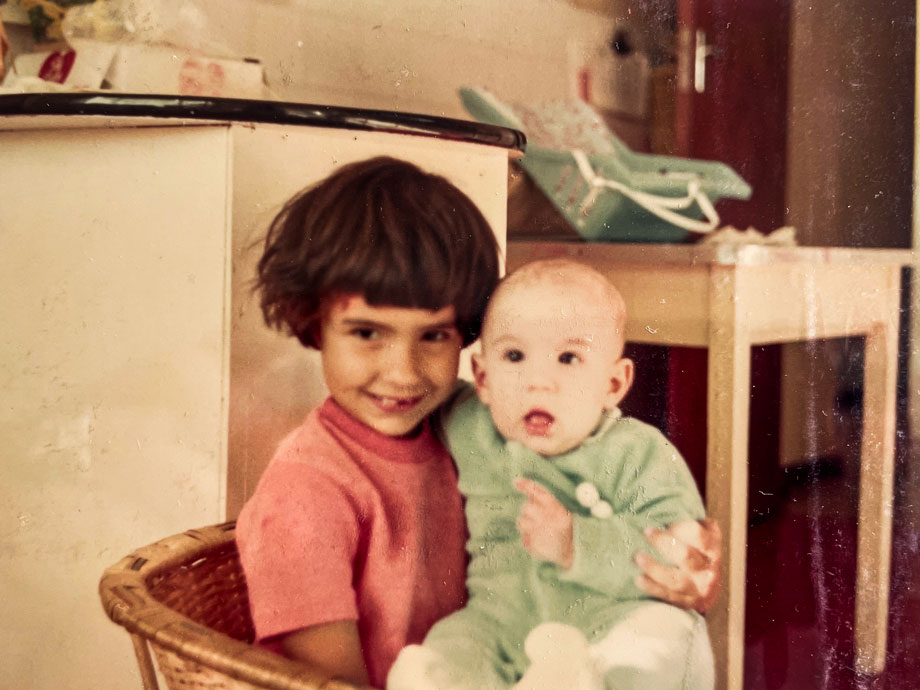
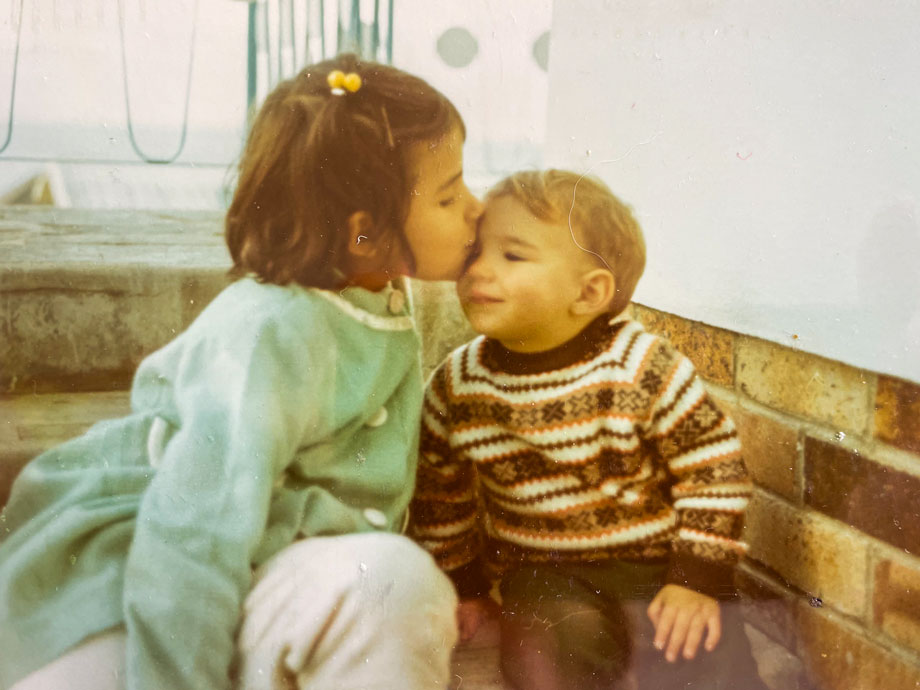
When we arrived, Dr Fourie was waiting and said that he had already arranged everything for Phyllis’s admission. I stayed with her and kept her company while the nurses continued to make sure everything was ready. They seem to be very respectful of Dr Fourie. He called me into his rooms and said, “Come and talk to me. When you are with your wife, the nuns do not do their work.” So, I ended up filling him in on educational matters he wanted to know more about. birth actually seemed to be a bit too long for my liking. But eventually, Dr Fourie congratulated me on the addition of a healthy and strong BOY. It was a forceps delivery and he was born at 5.15pm on the afternoon of 26th November 1968, five years after Nikki. He looked healthy despite the reddish mark on his forehead which was caused by the forceps. Fortunately, these marks disappeared soon as promised.

Back at school, I was called to the office, and the headmaster told me that at a Governing body meeting of the school it was decided to promote me to Head of Department of the large primary department. This was without me having applied for the position. At that time, I did not realise the implication of what such a move would have on my future direction in education.
I now had access to information about important changes that were going to take place in education. An example was that the school entrance age was going to start one year later. This meant that with Nikki’s birthday towards the end of the year she would be set back substantially. I discussed it with Phyllis, and we decided that such a move would be detrimental to Nikki’s education since she already could read and do all the Grade 1 work. Holding her back another year would be pointless.
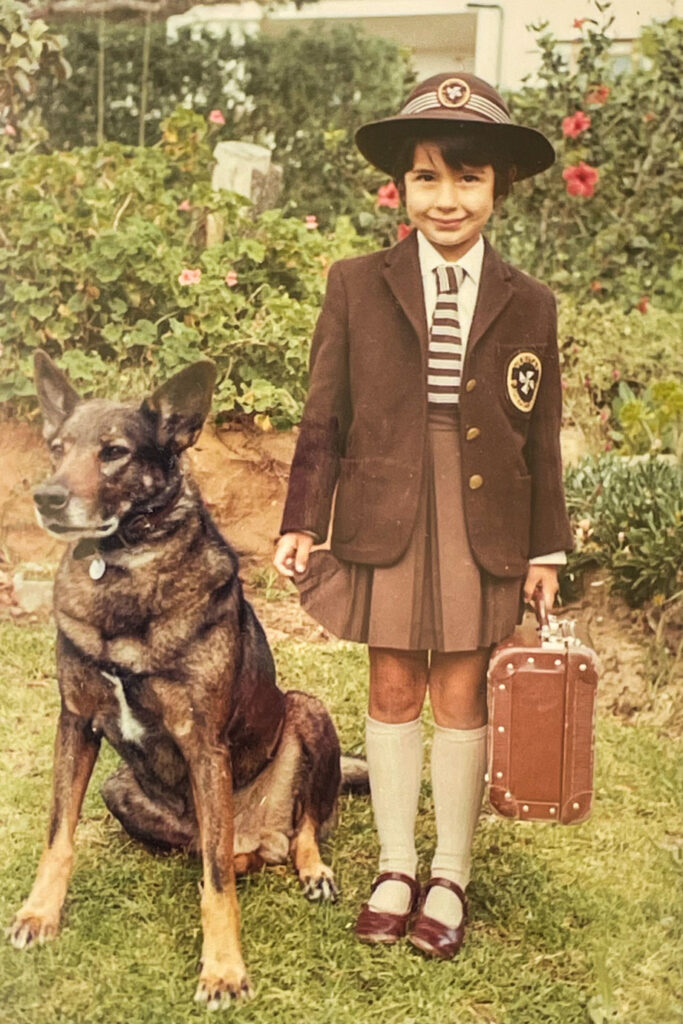
The next day we went to see the principal of St Joseph’s Convent. We explained that we wanted the school to enrol her as a pupil the following year and they were happy to support our logic. This could not have happened at a government school but we hoped that the decision would work to Nikki’s advantage in the longer term. We were confident that she could cope even though she would be almost a year younger than her classmates.
